

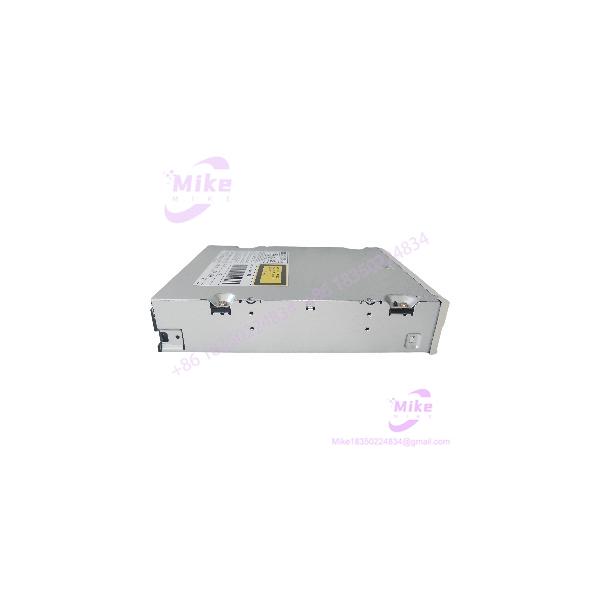
Description
Toshiba XM-5701B | 12X SCSI-2 Internal CD-ROM Drive Specs
Dynamic Product Introduction
Operating legacy CNC machinery, automated testing rigs, or telecommunication switches with a failed optical storage drive can freeze system restoration and routine software loading. The Toshiba XM-5701B is an industrial-grade 12X SCSI-2 internal CD-ROM drive, built specifically for heavy continuous duty in harsh electrical and mechanical environments. Engineered with a ruggedized optical pickup assembly and solid tray mechanism, it reads standard CD-ROM, CD-R, and audio media without skipping or suffering buffer underruns caused by cabinet vibration.
When a legacy machine’s optical drive suffers laser diode decay, tray motor burnout, or SCSI bus communication timeouts mid-maintenance, sourcing an exact-fit Toshiba XM-5701B replacement unit prevents extended system outage. Installing a bench-tested replacement allows maintenance engineers to swap the drive directly into 5.25-inch chassis bays without altering SCSI ID jumper topologies, ribbon cables, or system BIOS settings. Replacing a degraded drive restores immediate media boot capability, fast program loading, and long-term storage stability across your control architecture.
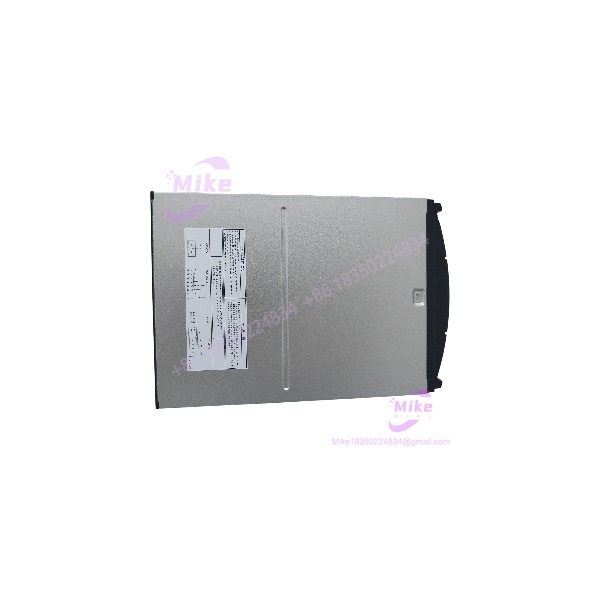
XM-5701B
Key Technical Specifications
- Model Designation: XM-5701B
- Manufacturer: Toshiba Corporation
- Interface Standard: 50-pin SCSI-2 (Narrow SCSI)
- Optical Read Speed: 12X maximum transfer speed
- Data Transfer Rate: Up to 1.8 MB/sec (12X mode), SCSI synchronous transfer up to 10 MB/sec
- Media Compatibility: CD-ROM (Mode 1 & Mode 2), CD-DA (Audio), CD-XA, CD-Extra, CD-R
- Form Factor: Standard 5.25-inch half-height internal drive bay
- Power Requirements: +5 VDC (1.0A) and +12 VDC (1.2A) via standard 4-pin Molex connector
- Configuration Jumpers: SCSI ID (0–7), Parity Enable/Disable, Term Power, Auto-Start
- Operating Temperature Range: 5°C to 45°C (41°F to 113°F)
Global Sourcing & Live-Test SOP (Transparency Core)
Procuring secondary-market legacy storage hardware like the Toshiba XM-5701B requires strict bench diagnostic screening to verify laser emission strength, spindle motor stability, and SCSI bus termination integrity. Every incoming drive passes through an intensive five-stage quality assurance protocol:
- Inbound Verification: Part numbers (XM-5701B), firmware revisions, and mechanical housing conditions are cross-referenced with Toshiba manufacturing specifications. Technicians carefully inspect the 50-pin header, Molex power connector, and tray assembly for fatigue or physical wear.
- Live Simulation: The Toshiba XM-5701B is installed into a legacy SCSI diagnostic host system running an industrial SCSI controller card and dual DC power rail supply.
- Diagnostics: Technicians execute full surface read scans across high-density optical test media to verify laser focusing and tracking error rates. The tray loading mechanism undergoes repeated cycle testing. The drive then completes a 24-hour continuous read-soak cycle to rule out laser diode thermal attenuation under heat.
- Final Prep: Lens optics are cleaned using specialized optical solution, jumper blocks are reset to factory default neutral configurations, and the drive is sealed inside anti-static ESD shielding prior to dispatch.
The Field Engineer’s Pitfall Guide
- ❗ Incorrect SCSI ID and Bus Termination Setup: —though you might expect the host system to automatically detect the new drive, failing to set the rear configuration jumpers (SCSI ID 0–7) to match your original hardware layout—or leaving the SCSI bus un-terminated—will result in boot failure or cause the entire SCSI chain to lock up.
- ❗ Misaligned Molex Power Input: Forcing a worn standard 4-pin Molex power connector into the rear header upside down can short the +12V rail into the sensitive +5V logic circuit, permanently destroying the drive’s controller board. Always check pin orientation before applying power.
- ❗ Operating in High-Dust Control Enclosures: Accumulation of fine airborne dust or oil mist on the optical objective lens will cause read retry errors and disk unreadable alarms. Always ensure cabinet cooling fan filters are clean and operational.
Intent-Driven FAQ
Will swapping out a Toshiba XM-5701B require updating system drivers on legacy software?
No. The XM-5701B adheres to standard ANSI SCSI-2 specifications (SFF-8020i / ASPI compliant). As long as the replacement unit’s SCSI ID and parity settings match the original drive, the host system’s operating system (such as MS-DOS, Windows NT, UNIX, or proprietary RTOS) will recognize it automatically.
How do I configure the SCSI ID on the rear of the drive?
The SCSI ID is set using physical jumper blocks on the rear panel of the drive. Combining jumpers across pins A0, A1, and A2 configures binary addresses from ID 0 through ID 7. Consult the jumper pin diagram on the top drive label for exact pin placements.
Can the Toshiba XM-5701B read modern CD-RW or DVD media?
No. The XM-5701B is a dedicated 12X SCSI-2 CD-ROM drive engineered for standard pressed CD-ROMs and CD-R media. It does not support DVD or high-reflectivity CD-RW optical disc formats.
What causes the tray to stick or fail to eject when pressing the front button?
A sticking tray on legacy drives typically indicates a worn or stretched internal rubber drive belt or mechanical dust buildup along the gear rack. The drive features a manual emergency eject hole on the front bezel that can be triggered using a paperclip.
What warranty coverage comes with pre-inspected Toshiba XM-5701B drives?
All verified Toshiba XM-5701B drives come backed by a comprehensive 1-year replacement warranty. If the unit experiences laser pickup failure, motor stall, or SCSI communication faults under standard operating conditions within 12 months, it is swapped directly from available warehouse inventory stock.





