

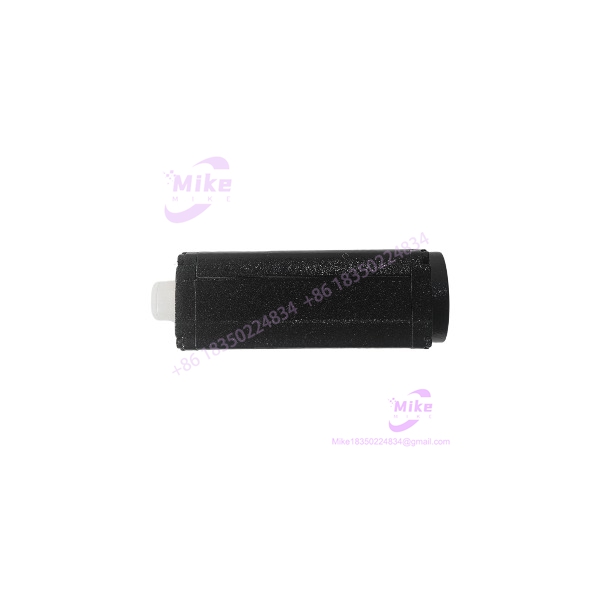
Description
scA1390-ABB BASLER Industrial Camera
Dynamic Product Introduction
Few power plant or co-generation failures escalate faster than a tripped excitation controller during a grid-frequency disturbance or heavy motor-starting surge. Honestly, trying to adapt a generic third-party AVR into an established ABB or Basler excitation cabinet without compromising VAR control curves or over-excitation limiters (OEL) creates serious operational risks. The Basler SCA1390 bridges this maintenance hurdle by providing precise, microsecond-level field current adjustment matching legacy excitation transformer profiles.
Engineered specifically for heavy-duty synchronous generator applications, this SCA1390 unit regulates field excitation under dynamic inductive loads while preventing voltage hunting and thermal drift. In utility and industrial power deployments, swapping a faulted or drifting regulator with a bench-verified SCA1390 restores stable terminal voltage regulation instantly—provided you copy over original stability pots, gain parameters, and sensing transformer ratio settings before closing the generator breaker.
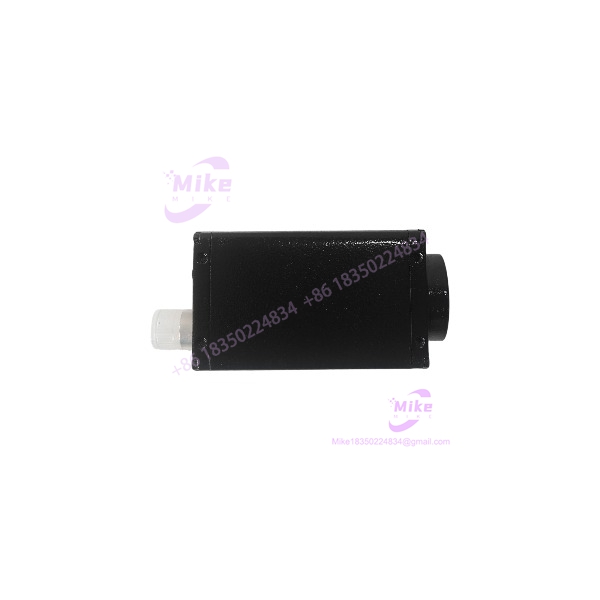
SCA1390-ABB
Key Technical Specifications
- Generator Sensing Input: 100 to 480 VAC nominal, single or three-phase (50/60 Hz)
- Power Input Voltage: 100 to 240 VAC / VDC operating range
- Continuous Field Output Current: 7 A to 15 A DC (depending on cooling and enclosure class)
- Peak Forcing Current: Up to 20 A DC forcing output for 10 seconds
- Voltage Regulation Accuracy: Better than ±0.25% from no-load to full rated load
- Control Modes: Automatic Voltage Regulation (AVR), Reactive Power (VAR) control, Power Factor (PF) regulation
- Protection Functions: Over-excitation limiting (OEL), Under-frequency (Volts/Hz) roll-off protection, internal power stage overtemperature, sensing loss detection
- Operating Temperature Range: -40°C to +70°C ambient industrial rating
- Mounting Architecture: Heavy-duty vertical metal chassis panel mount with integrated heat sink
Global Sourcing & Live-Test SOP (Transparency Core)
Sourcing surplus or secondary-market excitation control hardware requires a zero-trust quality verification protocol to ensure reliable generator field regulation. Inbound shipments of the SCA1390 undergo strict customs documentation tracing and microscopic physical audits to detect reflowed components, cracked trace layers, or age-degraded electrolytic capacitors.
Once checked in, every SCA1390 module transitions directly to our specialized high-power generator control test bench. Technicians connect the unit to a 3-phase power supply and a simulated inductive exciter coil load. We execute a 24-hour thermal soak while running dynamic step-response load cycles and auditing PWM field current outputs using a precision digital storage oscilloscope. Over-excitation trip thresholds and Volts/Hz knee frequencies are verified, and configuration parameters are logged before sealing the SCA1390 in anti-static ESD packaging prior to dispatch.
The Field Engineer’s Pitfall Guide
❗ Under-Frequency (Volts/Hz) Knee-Point Misconfigurations: Installing an SCA1390 without calibrating the Volts/Hz roll-off threshold to match your prime mover’s governor droop curve will cause premature field de-excitation during heavy engine load acceptance. I once watched an offshore platform lose primary power during a thruster ramp because a technician left the AVR knee-point set to 60 Hz on a 50 Hz generation grid.
❗ Sensing Potential Transformer (PT) Ratio Mismatches: Connecting the sensing inputs of the SCA1390 without verifying internal jumper positions or step-down PT secondary ratios will trick the regulator into severely over-exciting or under-exciting the alternator field. Always trace PT wiring with a multimeter before closing generator field breakers.
❗ Cross-Current Paralleling Compensation Neglect: Swapping out an SCA1390 without tuning the droop/cross-current compensation CT circuit will lead to unstable reactive current circulating between parallel generators, causing sudden reverse-power or VAR trips.
Intent-Driven FAQ
Will I lose my generator voltage tuning curves when replacing an SCA1390 module? System stability gains, VAR setpoints, and protection limits are stored in non-volatile memory or set via precision multi-turn potentiometers onboard the SCA1390; always record existing potentiometer positions or backup digital parameter files before replacing a legacy unit.
Can the SCA1390 be used in parallel generator applications? Yes, the SCA1390 includes dedicated droop compensation terminals for interfacing with cross-current transformers, enabling stable reactive power sharing between parallel-operating generators.
Are surplus SCA1390 excitation modules supplied in factory-sealed packaging? Inventory conditions range from brand-new original stock (NOS) in factory packaging to certified pre-owned surplus. Regardless of outer box condition, every SCA1390 undergoes a full-scale live-load simulation test before dispatch.
What causes an immediate ‘Sensing Loss’ trip on the SCA1390? A sensing loss fault typically indicates a blown fuse on the generator sensing potential transformer line, loose terminal screws, or an internal voltage divider network fault within the regulator.
What warranty coverage applies to a replacement SCA1390 controller? Our secondary-market and surplus SCA1390 modules include a comprehensive 12-month operational warranty covering power stage electronics, sensing logic, and voltage regulation stability under standard operating conditions.