

Description
PROCES-DATA PD5010-LCD | P-NET Operator Display & Controller Specs
Architect’s Product Breakdown
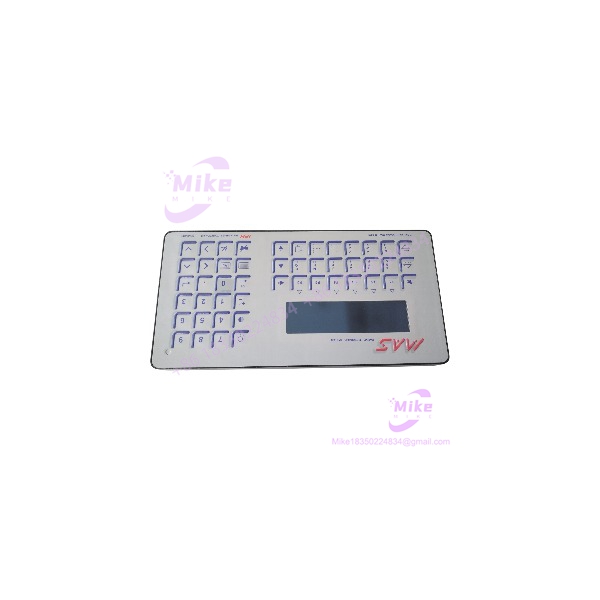
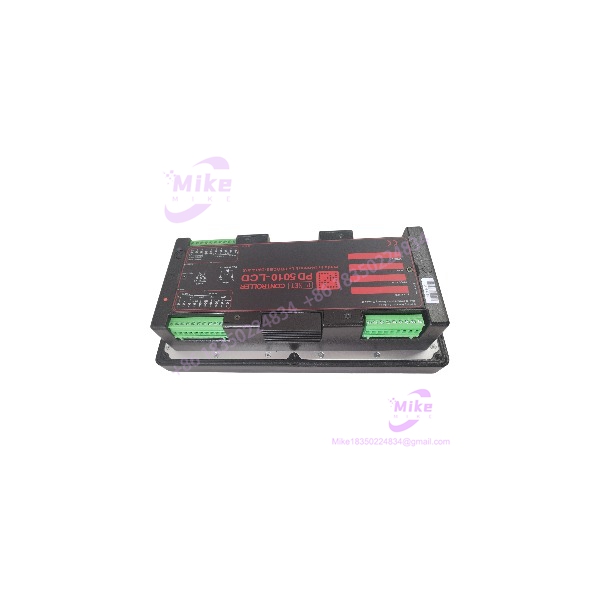
The PROCES-DATA PD5010-LCD operates as a compact, fieldbus-connected operator display and controller within the PROCES-DATA Measurement and Automation System (MAS) architecture. Designed for process control installations, food and dairy processing lines, and chemical metering plants, this hardware model provides localized process visibility directly on the plant floor. By displaying real-time flow rates, batch totals, system alarms, and diagnostic statuses, it enables machine operators to view parameters and adjust operational setpoints without relying on a centralized PC terminal.
Deploying or servicing this model in an active P-NET network requires setting local bus node addressing and establishing software communication drivers through PROCES-DATA programming packages. Featuring an integrated LCD screen and front tactile buttons, the module mounts onto a standard terminal base, establishing galvanic isolation between fieldbus lines, internal logic circuits, and power supply rails. When executing field swaps, engineers must verify that external 24 VDC power quality is within specifications and that P-NET cable shield continuity is maintained to prevent field noise from interfering with display data.
PD5010-LCD
Key Technical Specifications
- Manufacturer: PROCES-DATA (Process Data)
- Product Category: P-NET Fieldbus Operator Display & Controller Module
- Part Number / Catalog No.: PD5010-LCD (PD 5010-LCD / MAS PD5010)
- Product Series: MAS / Series 5000 Family
- Display Type: Backlit Alphanumeric LCD Display Screen
- Operator Interface: Front-panel tactile keypad for parameter navigation and setpoint entry
- Fieldbus Protocol: P-NET Fieldbus Standard (RS-485 / Ring / Optical topology)
- Operating Supply Voltage: 24 VDC nominal (\pm 15\% industrial tolerance)
- Galvanic Isolation: Internal optical isolation between power supply, fieldbus, and logic circuits
- Mounting Format: Base module terminal mounting for panel/cabinet integration
- Operating Temperature Range: -10°C to +60°C
- Weight: Approximately 0.50 kg (1.10 lbs)
Field Engineer’s Pitfall Guide (Unique Value)
- Hot-Swapping Under Power: Never unseat or disconnect the PD5010-LCD module from its terminal base while the 24 VDC supply power is active. Unplugging the device under load can generate inductive voltage transients that risk corrupting internal EEPROM memory or damaging P-NET transceiver ICs.
- Incorrect P-NET Cable Shielding: Failing to continuously drain and ground the shielded twisted-pair cable across the P-NET communication line will allow common-mode electrical noise to enter the node, leading to high packet loss rates, LCD character corruption, or node dropouts.
- Excessive Mechanical Stress on Front Keypad: Operating the membrane keypad with sharp metal tools or applying excessive force can puncture the front seal, compromising liquid resistance and causing premature switch contact failure.
QA & Testing SOP (Transparency)
- Visual & Origin Verification: Units undergo microscopic examination to confirm clean connector terminal contacts, intact LCD glass and backlight diffusion layers, unblemished membrane keypads, and authentic OEM labels.
- Live Test Bench Environment: Modules are mounted on a dedicated P-NET test bench supplied with regulated 24 VDC power to evaluate boot sequence execution, display contrast, backlight uniformity, and internal microcontroller health.
- Keypad & Fieldbus Loopback Diagnostics: Technicians perform full key matrix functional testing to confirm button response, followed by continuous P-NET data polling sweeps to verify register read/write integrity, node identification, and communication stability.
- Anti-Static Packaging: Post-testing units are wrapped in multi-layer conductive ESD shielding bags and cushioned in high-density anti-static foam to prevent mechanical or electrostatic damage during transport.
Technical FAQ
Can I hot-swap the PROCES-DATA PD5010-LCD module while the system is energized?
No. Always isolate the 24 VDC main power supply before removing or installing the module to avoid electrical transients or communication bus lockups.
What function does the LCD screen serve on this specific model?
The integrated LCD screen on this model provides direct local readout of process variables (such as flow, temperature, and pressure), system alarm messages, and node configuration menus directly at the equipment site.
How is node addressing configured for this device?
Node addressing is assigned via hardware settings on the base terminal or configured through P-NET system software tools during network commissioning.
What is the standard warranty status for surplus inventory units?
Verified surplus or refurbished process control modules typically carry a 12-month operational warranty covering material and manufacturing defects under standard operating conditions.





