


Description
Pilz 311041 (PSS SB SUB-D4-DIAG) | Safety Bus Connector Core Category
Dynamic Product Introduction
Securing clean, interference-free token ring communication across a decentralized safety fieldbus demands absolute physical integrity at every node connection point. The Pilz 311041 (PSS SB SUB-D4-DIAG) solves recurring line-noise and intermittent packet loss issues by delivering a purpose-built, heavily shielded interface connector engineered specifically for the SafetyBUS p environment.
Far superior to generic commercial D-sub plugs, this connector incorporates specialized internal trace configurations and diagnostic tapping pins that allow technicians to isolate network segments safely. Panel builders rely on its positive-latching hood and vibration-resistant screw locks to maintain robust data exchange under harsh industrial conditions without introducing loop attenuation.
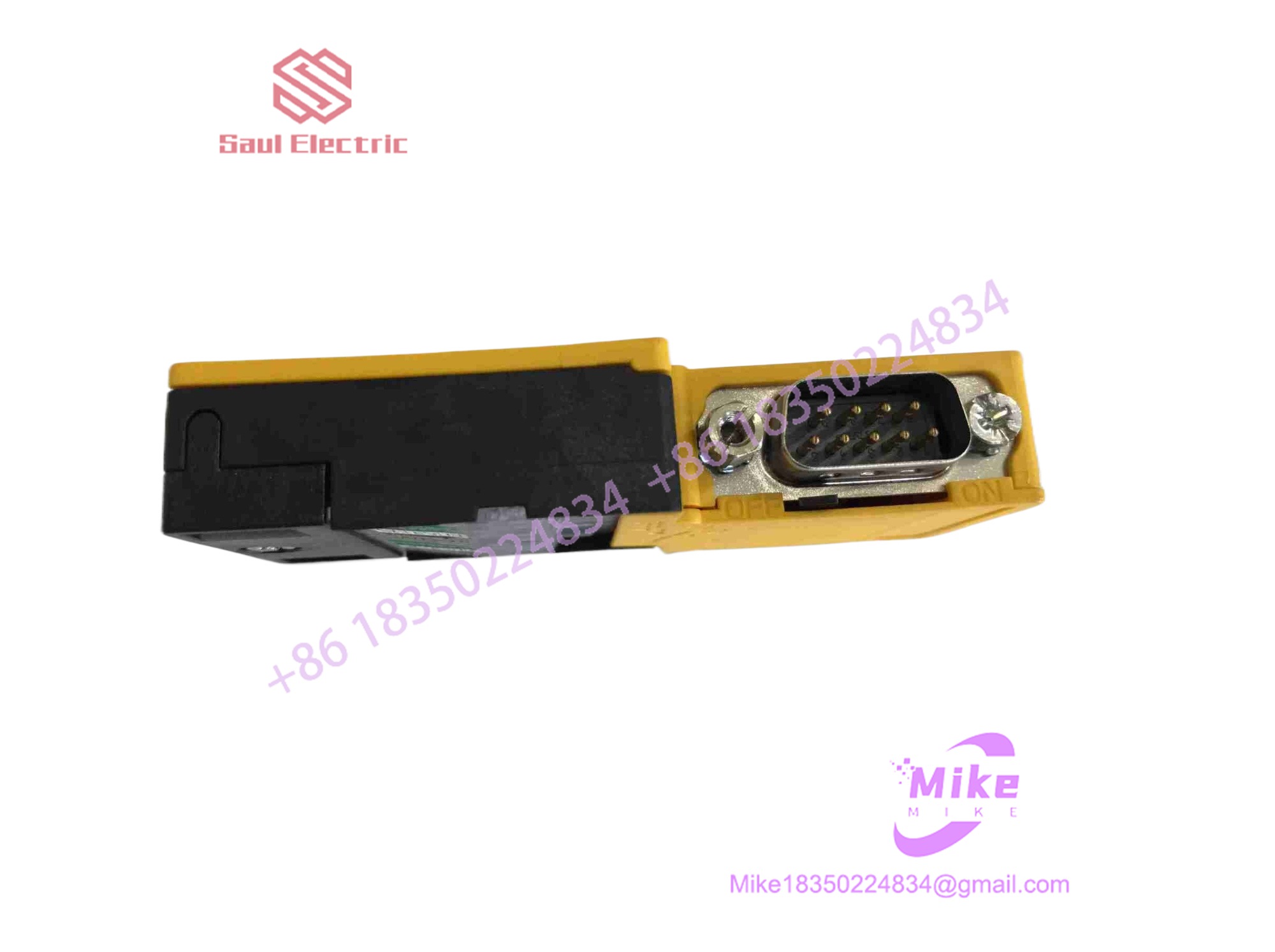
311041
Key Technical Specifications
| Core Parameter | Technical Specification |
| Product Identifier | 311041 (PSS SB SUB-D4-DIAG) |
| Connector Type | 9-pin D-sub bus plug with diagnostic access |
| Rated Voltage | 24 VDC |
| Rated Current | 0.2 A max |
| Compatibility | SafetyBUS p nodes, routers, and decentralized controllers |
| Housing Dimensions | Approx. 81 \times 47 \times 16 mm |
| Shielding | 360-degree EMC metal housing backshell |
| Cable Entry | Angled entry with strain-relief clamp |
| Mounting | Screw-lock retention onto node interface ports |
| Operating Temperature | 0°C to +60°C (32°F to 140°F) |
Global Sourcing & Live-Test SOP (Transparency Core)
Procuring legacy network accessories requires careful attention to pin corrosion, thread wear, and internal shielding continuity:
- Inbound Verification: Incoming connector lots undergo visual checks under magnification to inspect pin gold-plating thickness, housing ground-spring integrity, and thread-locking elements.
- Live Simulation: Connectors are test-fitted onto active PSS SB node modules mounted on a live validation test rack.
- Diagnostics: Technicians verify continuity across all nine poles, check screening resistance against the metal backshell, and monitor live token-ring packet stability through an attached diagnostic scope for a complete thermal cycle.
- Final Prep: Pins are treated with a light anti-oxidation film, and units are individually bagged in ESD-safe packaging.
The Field Engineer’s Pitfall Guide
❗ Shield Grounding Omissions: Terminating the incoming cable foil shield directly to a loose internal drain wire instead of clamping it securely under the 360-degree metal backshell will invite high-frequency electrical noise into the safety bus. (I’ve seen entire safety lines drop packets intermittently simply because an installer trimmed the shielding braid too short.)
❗ Incorrect Bus Termination Settings: Neglecting to verify whether the drop connector sits at the physical end of the line—where internal terminating resistors must be engaged—will disrupt the network impedance balance.
❗ Over-Torquing Retention Screws: Forgetting that older D-sub housing threads are easily stripped can leave a node floating loosely under plant vibration, causing erratic node dropouts.
Intent-Driven FAQ
Can I install or replace this bus connector while the safety network is powered on?
While physical plug replacement can be performed live if care is taken not to short adjacent pins, it risks generating temporary token-ring synchronization errors; powering down the node segment is recommended during maintenance windows.
What is the functional difference between standard D-sub plugs and the “-DIAG” variant?
The diagnostic variant includes specialized internal test points or pass-through access pathways that allow technicians to tap into the live data stream with diagnostic tools without breaking the network loop.
Are these components supplied as original factory stock or secondary surplus?
Inventory batches feature a mix of verified factory-sealed surplus and carefully inspected, tested secondary stock. Specific condition metrics are documented prior to fulfillment.
Does this connector require specialized crimp tools for assembly?
No, standard hand tools are sufficient for stripping cable layers and securing wire leads into the internal screw or cage-clamp terminals inside the housing shell.





