


Description
Moog D16-001-007 | Industrial Automation Core Category
Dynamic Product Introduction
Sourcing specific replacement electronics for older motion control architectures often stalls when standard part variants fail to match legacy backplane communication protocols. Honestly, the Moog D16-001-007 addresses this challenge by providing exact form-and-function replacement capabilities for closed-loop automation nodes. This unit processes high-frequency command loops without introducing timing jitter, making it a dependable swap for fatigued hardware (—though validating your exact system revision level beforehand is critical). Compared to generic signal conditioners, the Moog D16-001-007 preserves precise loop dynamics, ensuring smooth operation across demanding industrial machinery.
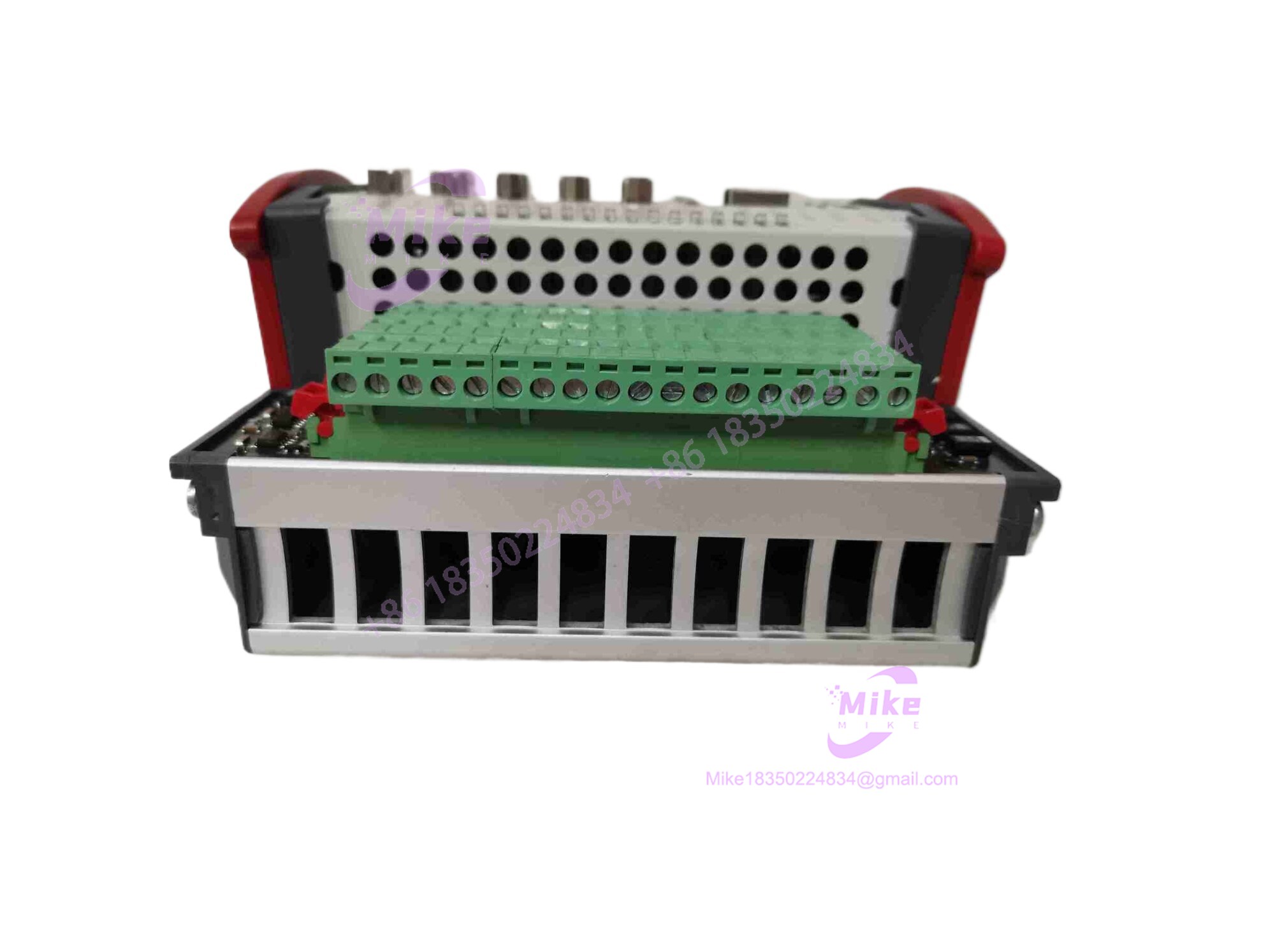
D16-001-007
Key Technical Specifications
| Specification | Parameter Value |
| Product Series | Moog Industrial Motion Line |
| Device Type | Servo Controller / Interface Module |
| Processing Architecture | High-speed digital signal processor |
| Input / Output Signal | Standard industrial voltage/current ranges |
| Update Rate | High-frequency deterministic cycle |
| Communication Interface | Dedicated backplane / terminal connection |
| Power Requirement | Regulated DC backplane supply rails |
| Operating Temperature | 0°C to 50°C industrial standard |
| Enclosure Type | Open-type plug-in circuit module |
| Mounting Format | Rack-mount or chassis slot |
Global Sourcing & Live-Test SOP (Transparency Core)
Procuring legacy or secondary-market motion controllers requires rigorous auditing to ensure sensitive microchips and internal components haven’t suffered from electrical stress. For every inbound Moog D16-001-007 unit, our intake team records serial numbers against global traceability ledgers and inspects edge connectors for pin corrosion or bending.
Once cleared, the module is mounted onto a calibrated test rack simulating an active Moog control environment. Technicians verify signal fidelity across all channels using an oscilloscope, monitor thermal stability during a 24-hour load run, and test power-loss thresholds with a Fluke multimeter. The unit is then cleaned, anti-static sealed, and labeled with verified diagnostic audit logs.
The Field Engineer’s Pitfall Guide
❗ Backplane Bus Mismatches: Inserting the Moog D16-001-007 into an uncalibrated or mismatched rack slot can trigger immediate communication faults. I’ve seen plant commissioning stall for hours because a technician skipped verifying the hardware configuration jumper settings.
❗ Unshielded Cable Noise Coupling: Running low-level control lines parallel to high-voltage motor power cables without proper shielding will induce severe noise into the feedback loop, causing erratic axis movement. Always ensure drain wires are grounded properly at the backshell.
❗ Power Rail Voltage Tolerance: Feeding unconditioned or fluctuating DC voltages to the rack power supply causes internal logic dropouts, forcing unexpected controller resets during peak plant shifts.
Intent-Driven FAQ
- Will I lose configuration data if I hot-swap the Moog D16-001-007?
Operating parameters and control logic typically reside in central controller memory or non-volatile storage, but always pull a project backup before replacing hardware.
- Is this specific part number a direct drop-in for older revisions?
Yes, provided the hardware suffix matches your system wiring diagram and backplane slot specifications.
- What type of warranty covers surplus Moog modules?
Verified secondary-market inventory includes a comprehensive 1-year operational warranty backed by our pre-shipment bench-test verification logs.
- Can I repair internal component faults on this module myself?
Component-level repair is strongly discouraged due to proprietary firmware and calibration requirements; rely on certified service centers for internal work.
- How do I verify if a replacement unit has been bench-tested?
Look for serialized QA verification stickers, clean connector pins free of oxidation, and accompanying test reports included in the packaging.





