

Description
Molex Woodhead PCU-DPIO | Applicom Profibus-DP Master/Slave PCI Card Specs
Architect’s Product Breakdown
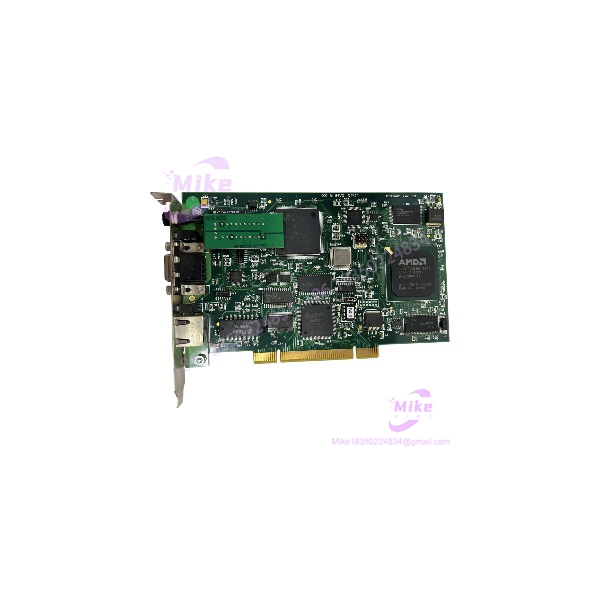
The Molex / Woodhead applicomIO PCU-DPIO functions as an advanced network communication card within standard industrial PC architectures, specifically engineered to connect supervisory computers to Profibus DP fieldbus nodes. Featuring an integrated AMD SC520 133 MHz on-board processor and 16 MB of onboard SDRAM, this communication model processes complex Profibus DP-V0 and DP-V1 master/slave stacks locally, completely decoupling real-time network traffic management from the host operating system CPU. This architecture ensures deterministic data exchanges for factory automation cells, SCADA packages, and machine control networks.
Deploying or replacing this model in an industrial rackmount PC requires configuring driver mappings through the applicomIO or Direct-Link software toolchains and setting correct node addresses on the Profibus trunk. Uniquely equipped with an auxiliary onboard 10/100 Mbps Ethernet port for remote configuration and diagnostics, the hardware facilitates maintenance in remote or headless computing setups. When executing maintenance swaps, field engineers must verify that 120\,\Omega termination resistors are active at both physical extremities of the Profibus line and that DB-9 pinout configurations comply with standard EN 50170 specifications to prevent frame error flags.
PCU-DPIO
Key Technical Specifications
- Manufacturer: Molex / Woodhead (Brad / Applicom)
- Product Category: Profibus-DP Master/Slave Network Interface Card
- Part Number / Catalog No.: PCU-DPIO (DRL-DPM-PCU / 112011-0008)
- Protocol Support: Profibus DP-V0 (Master Class 1 & 2 / Slave), DP-V1 (Master Class 1 & 2)
- Onboard Processor: AMD SC520 running at 133 MHz
- Memory Architecture: 16 MB SDRAM and 4 MB Flash memory
- Bus Architecture: Universal PCI (3.3V / 5V, PCI-X compatible)
- Profibus Interface: 1x isolated Profibus port (DB-9 female, RS485 optical insulation up to 500 V)
- Baud Rate Support: Auto-baud detection from 9.6 kbps up to 12 Mbps
- Auxiliary Remote Port: 1x RJ45 Ethernet port (10/100 Mbps) for remote configuration/diagnostics
- Discrete I/O: 1x opto-coupled discrete input (10 V to 30 VDC or 24 VAC) + 1x potential-free watchdog output (24 VDC, 0.25 A)
- Operating Temperature Range: 0°C to +65°C
- Weight: Approximately 180 g (0.40 lb)
Field Engineer’s Pitfall Guide (Unique Value)
- Hot-Swapping Under Power: Never insert or remove the PCU-DPIO card while the host industrial computer is energized. Live plugging in standard PCI slots risks shorting backplane power rails and permanently destroying host motherboard chipset components.
- Neglecting Profibus Line Termination: Operating a Profibus network without active termination resistors at both physical ends of the cable loop will cause heavy signal reflections, resulting in frame corruptions and dropouts across connected network drops.
- Mismatched Baud Rate Parameters: Failing to align the network baud rate configuration (ranging from 9.6 kbps to 12 Mbps) with existing PLC masters or remote I/O devices will prevent the interface card from synchronizing onto the active bus.
QA & Testing SOP (Transparency)
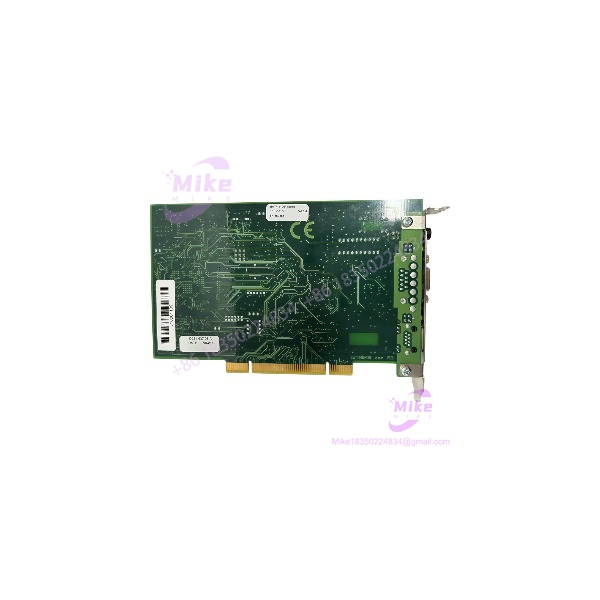
- Visual & Origin Verification: Units undergo microscopic examination to confirm clean gold-finger edge connectors, undamaged DB-9 and RJ45 ports, intact crystal oscillators, and authentic OEM labeling.
- Live Test Bench Environment: Network interface cards are seated in a dedicated industrial PCI test chassis running validated applicomIO / Direct-Link driver suites and diagnostic software to verify bus register response.
- Profibus & Ethernet Loopback Diagnostics: Technicians connect the DB-9 port to an active Profibus test simulator and verify 12 Mbps transmission integrity, optical isolation barrier performance, and Ethernet remote configuration port responsiveness.
- Anti-Static Packaging: Post-testing units are sealed inside conductive ESD shielding bags and cushioned with high-density protective foam to prevent electrostatic discharge during transit.
Technical FAQ
Can I hot-swap the PCU-DPIO card while the host computer is powered on?
No. Standard PCI expansion slots do not support live hot-swapping. Always power down the host computer completely before installing or servicing this network card.
What is the purpose of the onboard Ethernet port on this specific model?
Unlike standard PCI bus communication cards, this model features an integrated 10/100 Mbps Ethernet port dedicated to remote configuration, diagnostics, and debugging when installed in headless or remote industrial systems.
Does this hardware support simultaneous Master and Slave operations?
Yes. The card supports DP-V0 Master (Class 1 & 2) and Slave functionalities simultaneously, allowing flexible integration into complex automation topologies.
What is the standard warranty status for surplus inventory units?
Verified surplus or factory-sealed network communication modules typically carry a 12-month operational warranty covering material and manufacturing defects under standard operating conditions.





