


Description
Lam 685-247270-101 | Chamber Subsystem Interface Board
Dynamic Product Introduction
In advanced plasma etch and thin-film deposition tools, electromagnetic interference (EMI) generated by high-power RF match units can easily corrupt unshielded analog telemetry. When signal conditioning boards experience thermal fatigue or capacitor drift, the resulting noise floor spikes can cause false chamber pressure alarms, mass flow controller (MFC) hunting, or unexpected interlock trips during critical recipe steps. The Lam Research 685-247270-101 interface PCB addresses these signal integrity issues by filtering high-frequency noise and conditioning analog inputs directly at the subsystem interface node.
Deploying a bench-verified replacement 685-247270-101 board restores electrical isolation between high-power RF generators and sensitive microcontrollers on the host rack. Featuring industrial-grade optocouplers and low-noise A/D converters, the card ensures stable signal processing during rapid gas transitions and power ramps. For fab maintenance teams operating 2300-series tools, keeping an authentic, pre-tested replacement PCB in cleanroom storage drastically reduces mean time to repair (MTTR) when a subsystem interface fails.
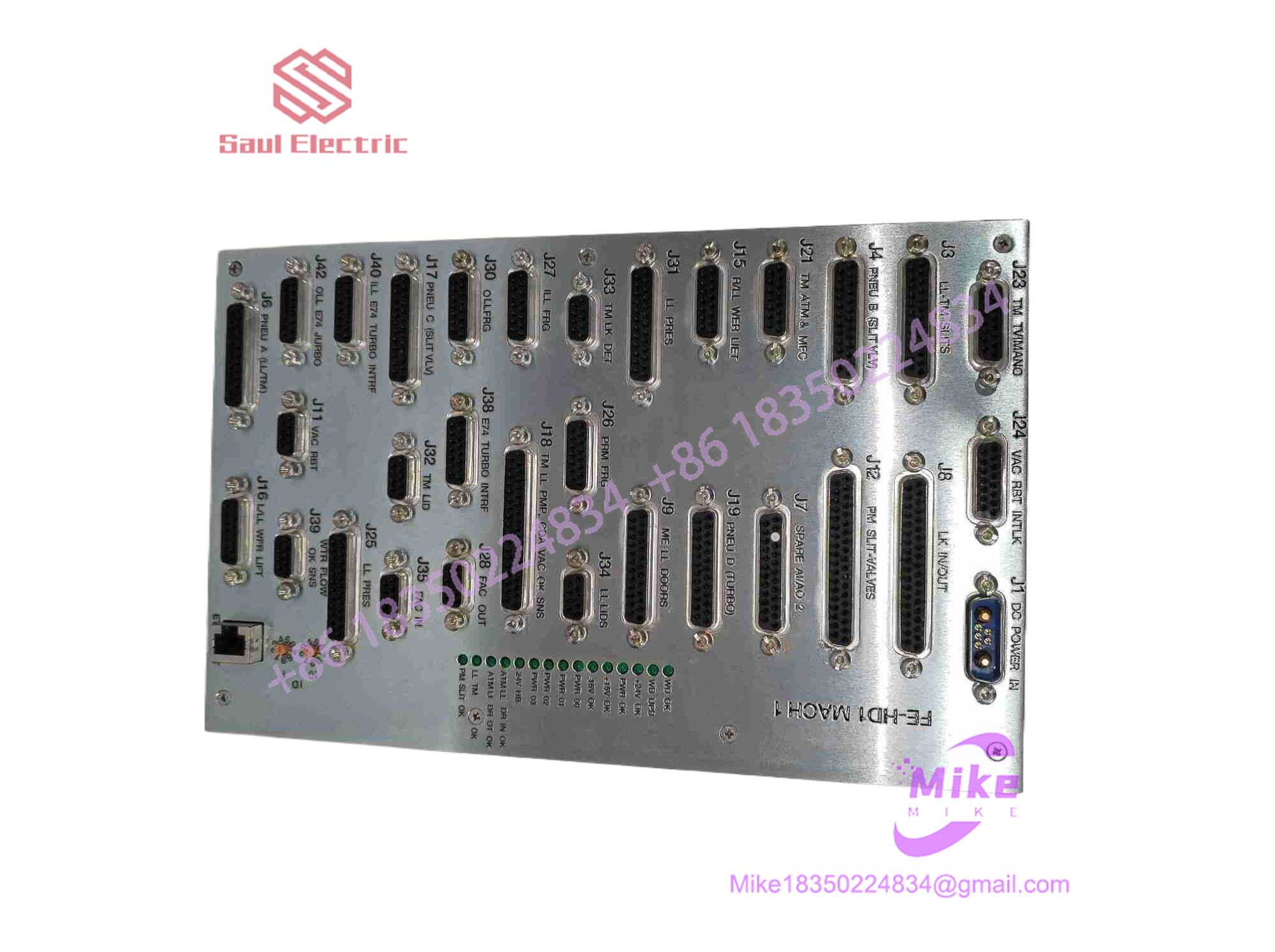
685-247270-101
Key Technical Specifications
| Parameter | Technical Specification |
| Board Function | Chamber Subsystem Analog/Digital Interlock & Signal Interface PCB |
| Power Supply Inputs | +24 VDC / ±15 VDC supplied via multi-pin backplane harness |
| Isolation Rating | High-speed optocoupler isolation across all digital interlock lines |
| A/D Processing | Low-noise, 16-bit analog-to-digital processing channels |
| Status Indicators | Surface-mount LED diagnostic array (PWR, COMM, FAULT, ALARM) |
| Form Factor | Multi-layer industrial PCB with integrated mounting brackets |
| Conformal Coating | Cleanroom-grade anti-corrosive protective PCB coating |
| Operating Temperature | 10°C to 50°C (50°F to 122°F) |
| System Compatibility | Lam Research 2300 Series (Kiyo, Vector, Synergy, Alliance) |
| Mounting Format | Tool electronic card cage / subsystem rack slot |
Global Sourcing & Live-Test SOP (Transparency Core)
To guarantee seamless integration into semiconductor fabrication lines, surplus and refurbished Lam Research circuit boards undergo a strict, multi-point diagnostic protocol:
Inbound Verification & Physical Audit
- Traceability Audit: Inspection of original Lam Research barcode labels (685-247270-101), serial tags, and PCB revision codes against OEM manufacturing databases to confirm authenticity.
- Microscopic Inspection: High-magnification optical evaluation of multi-layer traces, SMD capacitors, edge connectors, and IC solder joints for micro-cracks, thermal stress, or oxidation.
Live Simulation Bench Testing
- Power Rail Initialization: The PCB is powered in a custom test fixture using a regulated multi-rail DC supply to confirm cold-start current draw and onboard voltage regulator output stability.
- Signal Sweep Audit: Applying precision 0–10 VDC test inputs across all channels to verify linear conversion, low noise floor, and zero-offset accuracy.
Diagnostic & Interlock Validation
- Fast-Trip Interlock Test: Simulating over-pressure and RF fault conditions to verify hardware interlock relay switching speeds (<10 ms).
- 24-Hour Thermal Burn-In: Running the board under full load inside a 50°C test chamber to catch latent semiconductor breakdown prior to inventory placement.
Final Prep & Cleanroom Packaging
- Configuration Reset: Documenting onboard hardware jumper layouts and issuing a detailed test certificate.
- ESD Cleanroom Packaging: Double-sealed in static-shielding bags with active desiccant and secured in custom foam crates for international air transit.
The Field Engineer’s Pitfall Guide
❗ Ignoring Revision Suffix Differences (-101 vs. -001)
The -101 suffix typically indicates a specific hardware revision update from the base -001 board (such as updated component tolerances, modified filter network values, or altered jumper default positions). While backward compatibility is common across Lam 2300 tools, installing a -101 board into a chamber expecting a -001 configuration without verifying host software firmware compatibility can result in communication handshaking timeouts.
(In actual fab calls, technicians occasionally swap boards without matching revision suffixes, leading to mysterious bus communication errors that trace back to firmware/hardware mismatch).
❗ Swapping the PCB While Logic Power is Active
Inserting or pulling multi-pin harness connectors while the 24V DC backplane logic rail is energized can induce voltage transients. These spikes can easily damage sensitive op-amps on the replacement card or trip protective fuses on the tool rack.
❗ Improper Chassis Grounding Screws
Failing to fully torque the PCB’s ground mounting screws creates a floating ground reference. In high-power plasma etch environments, a floating ground allows RF interference to corrupt analog telemetry lines, causing severe process instability during wafer processing.
Intent-Driven FAQ
What is the primary difference between the 685-247270-101 and the -001 revision?
The -101 revision represents an updated bill-of-materials (BOM) revision by Lam Research, often featuring updated component specifications, improved noise filtering, or modified default hardware jumper settings compared to the earlier -001 release.
Will replacing this card erase my tool’s stored process recipe constants?
No. Process recipes and chamber calibration parameters reside in the main host computer software or non-volatile memory on the SBC controller board. However, you should perform a zero-and-span verification on connected pressure transducers via the tool service menu after installation.
What should I check if the FAULT LED stays illuminated upon powering up the board?
A solid FAULT light indicates an out-of-spec power supply rail (+24V or ±15V), an open interlock loop, or a board-level initialization failure. Verify power rail voltages at the connector and ensure all interlock harness cables are fully seated and latched.
Can I clean flux or process dust off the board using standard solvents?
Use only high-purity, electronic-grade (>99.9%) isopropyl alcohol in an ESD-safe workspace. Ensure the card is completely dry before applying power, as residual liquid under high-density ICs can lead to short circuits.
What warranty covers this PCB when purchased as certified surplus?
All fully certified surplus and replacement Lam Research 685-247270-101 boards include a standard 12-month operational warranty covering signal conversion accuracy, interlock logic response, and component reliability under standard cleanroom operating conditions.





