


Description
Lam 605-108114-003 | VME Controller SBC Board
Dynamic Product Introduction
Boot failures and real-time synchronization dropouts on semiconductor etch or deposition tools are notoriously difficult to isolate. When a tool control computer drops communication with downstream module controllers during a critical wafer run, the entire chamber enters a safety lockup—risking scrap wafers and unrecoverable downtime. The Lam Research 605-108114-003 Single Board Computer serves as the backbone logic engine inside 2300-series tool racks, processing millisecond-level interlocks across gas box, vacuum, and RF generator subsystems.
Deploying this specialized VMEbus SBC over standard PC assemblies ensures deterministic task execution across demanding plasma-etch environments. By integrating dedicated onboard memory buses and high-level electrical isolation on communication channels, the board resists high RF radiation and line noise generated by neighboring high-power matching networks. For fab maintenance engineers keeping spare tool boards on hand, stocking a certified 605-108114-003 card guarantees rapid recovery during unscheduled system control failures.
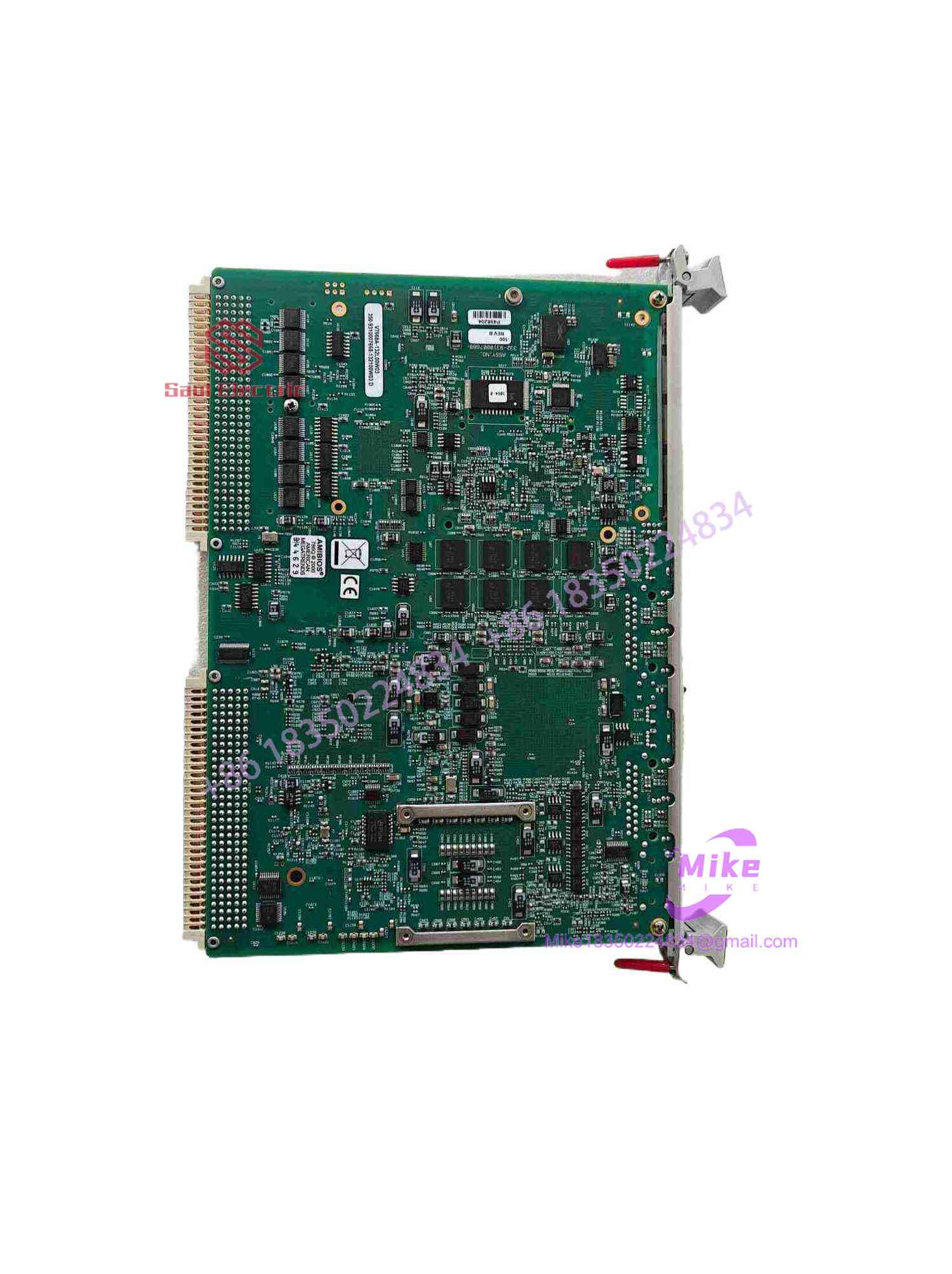
605-108114-003
Key Technical Specifications
| Parameter | Technical Specification |
| Form Factor / Bus Interface | Standard VMEbus / CompactPCI Rack Slot Format |
| Operating System Support | VxWorks / Real-time Embedded Linux (OS-dependent) |
| Logic Power Inputs | +5V, +12V, -12V DC supplied via backplane |
| Onboard Communications | Dual RJ45 Fast Ethernet, RS-232/422 Serial, VMEbus |
| Memory Architecture | High-density DRAM with ECC support + Flash Boot NVRAM |
| Mezzanine Expansion | PMC / XMC expansion carrier support |
| Status Display | Diagnostic LED array (FAIL, RUN, STAT, ETH LINK) |
| Operating Temperature | 0°C to +55°C (32°F to 131°F) |
| Cooling Requirement | Forced air flow inside tool electronics enclosure |
| System Compatibility | Lam Research 2300 Series (Etch / Deposition systems) |
Global Sourcing & Live-Test SOP (Transparency Core)
Sourcing replacement PCB assemblies for sub-micron semiconductor manufacturing requires uncompromising quality verification to prevent wafer contamination or tool trips upon installation:
Inbound Verification & Physical Audit
- Traceability Review: Checking serial numbers, PCBA revision levels, and original Lam Research tracking barcodes against fab database records to prevent counterfeit or re-marked components.
- Microscopic Inspection: High-magnification check of surface-mount components, BGA ball grids, edge connector gold-plating, and filter capacitors for micro-fractures or thermal degradation.
Live Simulation Bench Testing
- Backplane Power Up: The card is installed in an authentic VME crate powered by a regulated multi-rail DC supply to evaluate cold-start current consumption across the 5V and 12V rails.
- Boot Diagnostic Run: Executing low-level hardware diagnostics to verify RAM integrity, NVRAM checksums, and onboard RTC (Real-Time Clock) synchronization.
Network Diagnostics & Stress Testing
- Communication Handshake: Wiring the card via Ethernet and serial channels to a simulated tool controller environment to confirm high-speed packet transfer without frame loss.
- 24-Hour Thermal Burn-In: Running continuous memory and I/O diagnostic loops inside a 50°C test chamber to expose latent semiconductor defects prior to inventory dispatch.
Final Prep & Export Packaging
- Software Baseline Reset: Resetting boot parameters to factory defaults while logging the installed BIOS/firmware build on the test certificate.
- Cleanroom ESD Packaging: Double-sealed inside anti-static shielding bags with desiccant and packed in custom-molded high-density foam crates for air transit.
The Field Engineer’s Pitfall Guide
❗ Firmware & NVRAM Checksum Mismatches
Swapping a 605-108114-003 card without verifying that its bootloader and firmware match the tool’s software release will cause the main tool controller (V540/Tool Host) to reject the SBC during boot initialization.
(In actual fab calls, I’ve seen an entire chamber remain offline for two shifts because the technicians swapped the physical board but forgot to transfer the tool’s specific hardware parameter file from the old board’s NVRAM).
❗ Improper Backplane Pin Alignment During Hot-Insertion
VMEbus backplanes are extremely sensitive to pin bending. Attempting to insert or seat this board without using the card cage injector/ejector handles unevenly can bend connector pins, causing intermittent bus faults or shorting the +5V power rail to ground. Always power down the main rack before replacing the board.
❗ Jumper and Mezzanine Configuration Blindness
The board often features onboard jumpers for bus arbitration settings, memory mapping, or serial mode selection (RS-232 vs RS-422). Installing a replacement board without mirroring the jumper positions from the original unit will lead to serial communication timeouts with the vacuum or RF sub-controllers.
Intent-Driven FAQ
Will swapping this board lose my tool’s chamber calibration data?
If calibration constants or tool-specific configuration files are stored locally in the board’s non-volatile NVRAM, you must backup those parameters via the tool interface or physically swap the NVRAM chip/mezzanine card to the new SBC before powering up.
What should I do if the RED “FAIL” LED remains illuminated after installation?
A persistent FAIL LED indicates the onboard POST (Power-On Self-Test) did not pass. Check that the board is fully seated in the VME backplane, verify that power supply rails (+5V and +12V) are within ±2% tolerances, and ensure all jumper settings match the original board layout.
Can I replace an older revision of this board (e.g., -001 or -002) with the -003 revision?
In most cases, revision -003 is backward-compatible with earlier releases (-001/-002), offering updated memory modules or faster processors. However, always verify with your tool software release notes to confirm the tool software package supports the revised hardware architecture.
Why is my replacement board failing to establish an Ethernet handshake with the tool network?
Check the onboard Ethernet speed/duplex jumpers or software configuration settings. Semiconductor tools often require forced 100Mbps Full-Duplex negotiation rather than Auto-Negotiation to prevent packet dropouts.
What warranty is provided with certified surplus Lam boards?
All fully tested surplus or replacement 605-108114-003 boards come standard with a 12-month replacement warranty covering component failure, memory errors, and backplane communication stability under standard cleanroom operating conditions.





