


Description
KEBA AR-181 | CP200 Series Analog Input Module
Product Introduction
When a high-precision industrial machine like an injection molding press or robotics cell loses accurate pressure or position feedback because of a failing I/O card, entire production batches go out of spec. The KEBA AR-181 is not a generic signal splitter; it is an engineered analog input module built specifically to integrate into KEBA’s proprietary automation ecosystem. Designed to snap directly onto industrial backplanes or DIN rails, this unit handles the critical task of translating raw sensor signals—ranging from hydraulic pressures to linear transducer displacements—into stable digital data streams for the central controller.
Operating at the front edge of the control loop, the module minimizes signal jitter and thermal drift—though your mileage may vary depending on cabinet internal ambient temperatures and overall loop grounding integrity. It restores exact feedback tracking to complex machinery without requiring a costly control system architecture overhaul.
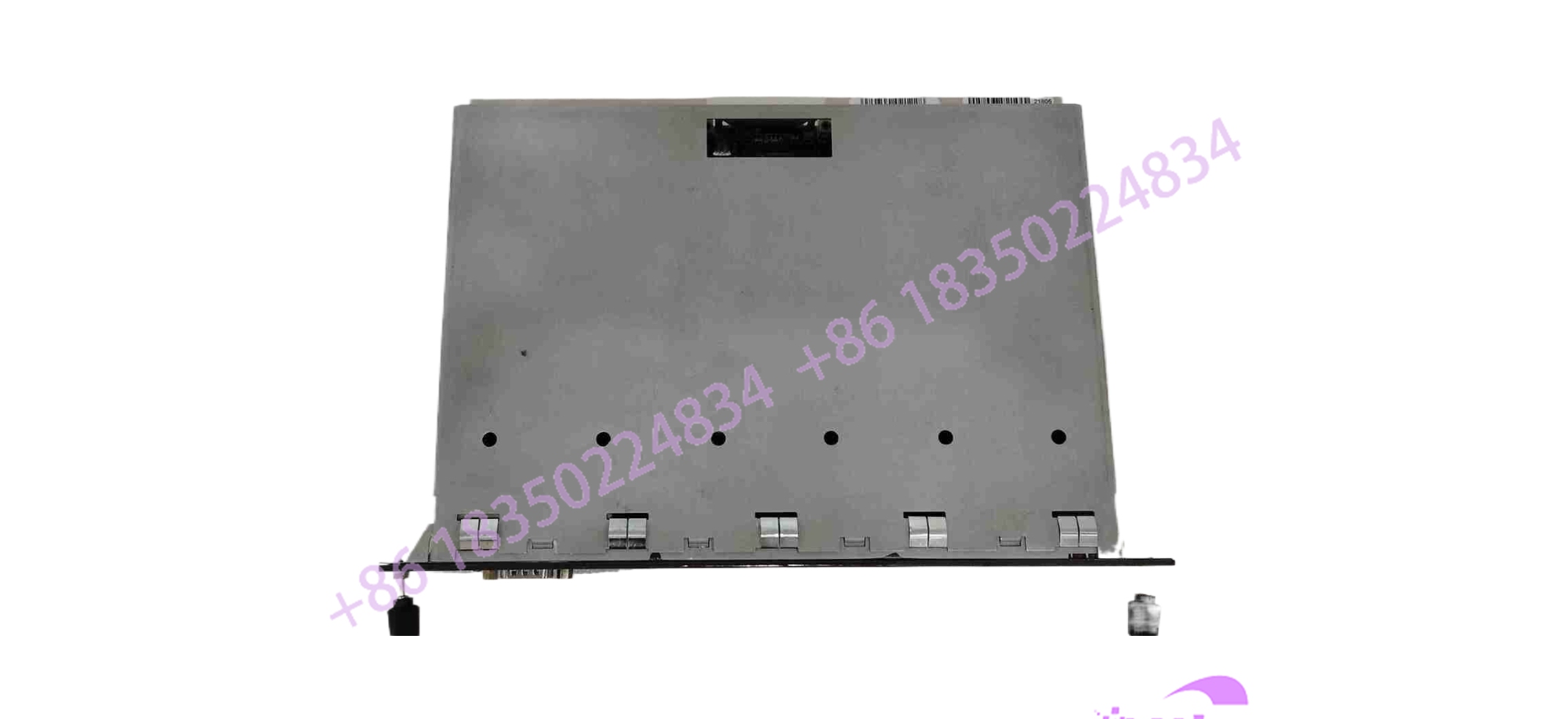
AR-181
Key Technical Specifications
| Parameter | Specification |
| Manufacturer / Brand | KEBA Industrial Automation |
| Model Designation | AR-181 (Kemro / KeControl Series) |
| Input Type | Multi-channel analog voltage and current inputs |
| Conversion Resolution | High-bit A/D conversion for fine process tracking |
| Backplane Communication | High-speed KEBA internal bus interface |
| Diagnostic Indicators | Front-panel LED status lights for power, bus communication, and channel faults |
| Mounting Architecture | Modular plug-in card format for DIN-rail or dedicated KEBA racks |
| Operating Temperature | 0°C to 55°C industrial environment thresholds |
| Enclosure Protection | Open-board modular housing with conformal coating |
Application Scenarios & Pain Points
- Injection Molding Hydraulic Pressure Control: A plastics manufacturing plant in Germany kept experiencing shot-weight inconsistencies due to analog signal drift on an aging press controller until swapping in a verified KEBA AR-181 module, which stabilized the pressure transducer loop.
- Packaging Machine Sensor Integration:
- Without AR-181: Noisy legacy input cards allowed electrical interference from nearby servo drives to bleed into sensitive distance-sensor lines, causing erratic motion halts.
- With AR-181: Robust internal filtering and optical isolation eliminate common-mode noise, delivering clean, repeatable feedback to the core PLC logic.
- High-Vibration Factory Enclosures: Housed inside a heavily vibrating press-line control cabinet, the module’s secure locking terminal blocks maintain firm contact without backing out under continuous mechanical resonance.
QA & Live Testing SOP (Trust Signal)
Specialized automation modules require precise diagnostic validation before installation into critical machine controllers. Every KEBA AR-181 unit that moves through our facility undergoes a strict evaluation protocol:
- Visual & Optical Authentication: Inspected under magnification for component thermal wear, capacitor integrity, and pristine backplane connector pins.
- Bench Power-Up & Bus Verification: Inserted into a dedicated KEBA test rack to verify proper power rail startup, processor handshakes, and internal bus communication locking.
- Multi-Point Analog Calibration: Injected known voltage and current steps across all input channels using a precision calibrator, tracking linearity and conversion accuracy against factory thresholds.
- Protective Packaging: Sealed in heavy anti-static shielding bags and packed in custom cut-foam containers to prevent static discharge and transit shock.
Field Engineer’s Pitfall Guide
- ❗ Shielding and Ground Loop Failures: Never leave analog signal cable drain wires floating at the field end. Always tie shield grounds properly to the designated panel ground bar to prevent electrical noise from corrupting the input readings.
- ❗ Terminal Wiring Integrity: Avoid over-tightening the physical screw or spring terminals on the module housing, which can crack internal solder joints or strip terminal blocks during maintenance.
- ❗ Firmware / Hardware Revision Mismatches: Ensure your system’s project configuration software recognizes the specific hardware revision of the AR-181 card you are installing to avoid initialization communication faults.
Intent-Driven FAQ
Is the KEBA AR-181 compatible with older Kemro system configurations?
Yes, the AR-181 is designed to drop directly into legacy KEBA Kemro and KeControl series hardware environments, provided your project software configuration matches the module’s address parameters.
Are these units supplied as New Surplus or refurbished working pulls?
We stock units in both factory-sealed New Surplus (NSMP) packaging and thoroughly bench-tested, certified working pulls backed by an extensive operational warranty.
What causes the module’s error LED to flash during operation?
Common triggers include an internal hardware fault, loss of backplane communication synchronization, or an out-of-range analog input signal exceeding the maximum voltage or current threshold.
Does the module require external power wiring independent of the backplane?
Typically, operating power and communication data are distributed directly via the KEBA backplane bus connection, minimizing auxiliary wiring requirements inside the panel.





