

Description
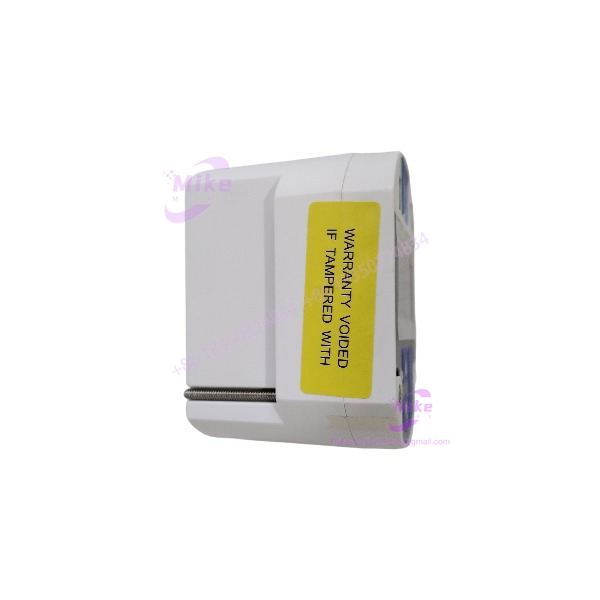
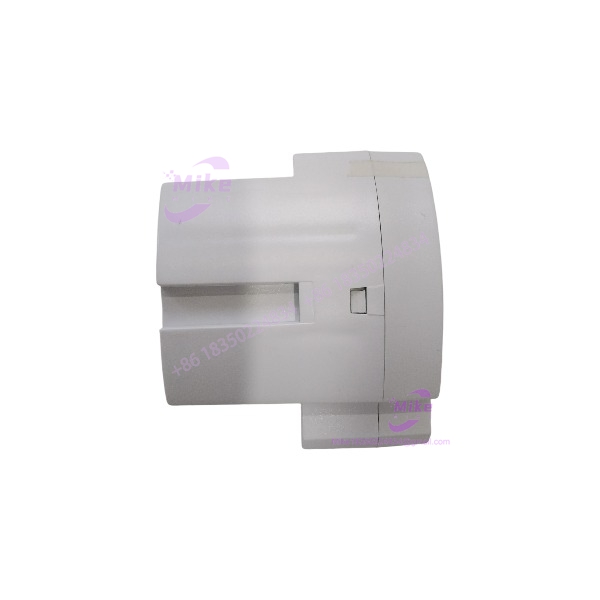
K-TEK M4A-AT | AT200 HART LCD Electronics Module
Dynamic Product Introduction
A failed level instrument can create a maintenance headache that extends well beyond the transmitter itself. When the display goes blank, configuration access disappears, or an instrument begins reporting unreliable values, the maintenance team needs to establish whether the fault sits in the electronics, sensing assembly, field wiring, or control loop before authorizing a replacement.
The K-TEK M4A-AT is identified in surplus-market listings as an electronics module associated with K-TEK AT200 instrumentation, including an LCD indicator and HART functionality. For facilities maintaining installed K-TEK equipment, sourcing the correct M4A-AT may provide a path to restoring the existing instrument without immediately replacing the entire measurement assembly. However, a like-for-like replacement does not automatically deliver a measurable performance improvement over the original unit. Any claimed improvement in accuracy, response time, diagnostics, or reliability must be supported by verified technical documentation (rather than assumptions based on the model designation alone).
For procurement teams managing legacy instrumentation, the practical objective is straightforward: identify the correct hardware revision, establish its condition, confirm compatibility, and secure a replacement with documented inspection and warranty terms.
M4A-AT
Key Technical Specifications
The following parameters reflect the available model identification. Values not independently established from an OEM datasheet are marked for verification.
- Manufacturer: K-TEK
- Model Number: M4A-AT
- Product Category: Industrial instrumentation electronics
- Associated Instrument Family: AT200; confirm exact installed configuration
- Display Type: LCD indicator, as identified in surplus listings
- Communication Protocol: HART functionality reported; verify supported revision and implementation
- Measurement Variable: Level instrumentation application; confirm the installed transmitter’s measurement configuration
- Supply Voltage: Not independently verified for this exact module
- Electrical Consumption: Not independently verified
- Operating Temperature: Not independently verified
- Mounting / Connector Configuration: Must match the original module and instrument assembly
- Firmware / Hardware Revision: Confirm from the unit label or diagnostic interface before installation
Important: Do not use generic AT200 family specifications as guaranteed M4A-AT module ratings. The exact part number, nameplate information, and applicable OEM documentation should govern procurement and installation.
Global Sourcing & Live-Test SOP (Transparency Core)
Surplus instrumentation requires more than a visual inspection. A clean enclosure does not establish calibration integrity, correct firmware, or reliable operation under process conditions.
For the K-TEK M4A-AT, the following is a recommended receiving and validation procedure. It describes the checks a qualified supplier should document—not tests claimed to have already been performed on the listed unit.
Inbound Verification
Before accepting the module into inventory:
- Match the model designation against the purchase order and available OEM documentation.
- Record the serial number, hardware revision, and visible manufacturing labels.
- Inspect labels, fasteners, connector surfaces, and enclosure condition for signs of alteration or unauthorized repair.
- Review available OEM paperwork, chain-of-custody records, and prior service documentation.
- Record any gaps in traceability rather than treating missing paperwork as proof of counterfeit status.
Live Simulation and Functional Validation
Testing must use a compatible K-TEK instrument assembly or an approved test arrangement. An unrelated PLC rack or generic instrumentation backplane is not sufficient evidence of compatibility.
The recommended validation sequence includes:
- Confirming the module’s power requirements before energization.
- Inspecting startup behavior and LCD operation.
- Verifying supported HART communication using a compatible communicator or diagnostic interface.
- Checking configuration access, status reporting, and available diagnostic functions.
- Comparing reported values against a known input or approved simulation method.
Where the module’s design permits, perform a controlled functional test across the applicable operating range. Do not claim full-scale measurement accuracy unless the complete measurement chain has been evaluated against a traceable reference.
Diagnostics and Heat Run
A qualified test record should identify the test equipment, procedure, environmental conditions, and acceptance criteria.
For the , appropriate checks may include:
- Stable startup and continued operation.
- Communication integrity under the supported HART configuration.
- LCD readability and status behavior.
- Verification of applicable input/output functions.
- A documented thermal soak, such as a 24-hour heat run, when appropriate to the component and supplier’s test capability.
A 24-hour heat run is not proof of calibration accuracy or remaining service life. It is one screening measure, and its results should be documented rather than assumed.
Final Preparation and Shipment
Before dispatch, the supplier should:
- Record the exact model, serial number, and visible hardware/firmware identification.
- Document the tested functions and any untested features.
- Photograph the unit and its connectors.
- Apply ESD-safe packaging appropriate for the electronics.
- Provide a written condition statement, warranty terms, and return procedure.
For buyers, the difference between “tested” and “untested” inventory should be explicit on the quotation. A seller’s description alone is not a substitute for a test report.
The Field Engineer’s Pitfall Guide
Replacing an instrumentation module is not simply a matter of matching the part number on the enclosure. The details that cause commissioning delays are often the ones nobody checked during purchasing.
❗ Warning 1: Firmware and Configuration Mismatches
Two modules may look identical while carrying different hardware or firmware revisions. Before installation, compare the original unit’s revision and configuration with the proposed replacement. Do not assume a newer revision will retain identical behavior or support every legacy configuration.
In field maintenance, an apparently minor revision mismatch can turn a short instrument swap into hours of troubleshooting. Back up accessible configuration data before removing the original module.
❗ Warning 2: Blindly Assuming HART Compatibility
A HART designation alone does not establish identical communication behavior across every instrument revision. Confirm the supported HART revision, communicator compatibility, and configuration requirements before commissioning.
If the instrument fails to respond, verify loop power, wiring polarity, loop resistance, and the communicator’s connection method. A calibrated Fluke multimeter can help establish loop voltage and current, but it cannot independently validate the module’s complete functionality.
❗ Warning 3: Confusing Module Compatibility With Complete Instrument Compatibility
A matching label does not prove that every AT100 or AT200 assembly accepts the same electronics module. Connector definitions, instrument revisions, and configuration differences can affect interchangeability.
Before energizing the replacement, compare the original and replacement hardware, connector arrangement, and applicable wiring documentation. An incorrect assumption here can damage equipment or extend an outage.
Field takeaway: Preserve the original configuration, document the installed hardware revision, and verify the replacement against the actual instrument—not just the catalog description.
Intent-Driven FAQ
Q1: Is the K-TEK a complete level transmitter or just an electronics module?
The is identified in available surplus listings as an electronics module with an LCD indicator, associated with K-TEK AT200 instrumentation. Buyers should not assume that the listing includes a complete transmitter, sensing element, float, or process connection. Confirm the physical contents of the shipment before ordering.
Q2: Will the K-TEK work as a direct replacement for my instrument?
Potentially, but the model designation alone is insufficient to establish a guaranteed drop-in replacement. Compare the existing module’s part number, hardware revision, connector arrangement, and configuration. When possible, obtain OEM compatibility confirmation for the installed instrument.
Q3: Can I replace the while the instrument is powered?
Do not assume hot-swap capability. Unless the applicable OEM documentation explicitly permits energized removal and installation, isolate power using the site’s approved procedure. For instruments connected to active process control or safety functions, follow the applicable bypass, isolation, and verification requirements before disturbing the loop.
Q4: Does the support HART communication?
HART functionality is reported in surplus listings associated with the . However, the exact supported HART revision and diagnostic capabilities should be confirmed against the unit’s hardware and firmware documentation. Verify communicator compatibility before commissioning.
Q5: Can I downgrade the firmware on a replacement ?
A firmware downgrade should not be assumed possible. Availability of a firmware image does not establish that the hardware supports reprogramming or that the downgrade procedure is approved. Confirm the OEM-supported revision range and recovery procedure before attempting any firmware change.
Q6: Is a factory-sealed K-TEK automatically better than a tested surplus unit?
Not necessarily. Factory-sealed packaging may support a new-old-stock claim, but it does not establish present operational condition, correct storage history, or compatibility with the installed instrument. A previously used module with documented functional testing may provide more useful evidence of current operation. Evaluate traceability, condition, test results, and warranty coverage together.
Q7: What warranty should I expect when purchasing a K-TEK ?
Warranty coverage depends on the seller’s written terms and the unit’s condition. Do not assume that surplus, refurbished, and factory-sealed units carry the same protection. Before purchasing, obtain written confirmation of the warranty period, coverage start date, exclusions, return authorization process, and responsibility for international return shipping.
Procurement Conclusion
The K-TEK is a candidate for legacy instrumentation maintenance where the installed equipment and replacement configuration have been positively identified. The purchasing decision should rest on verified part-number compatibility, documented condition, available test evidence, and clear warranty terms.
For critical process applications, avoid treating an untested as an installation-ready spare. Secure the revision details and inspection record before committing the replacement to an operating instrument.
Final listing recommendation: Publish the K-TEK as an industrial instrumentation electronics module, with condition and compatibility clearly stated. Do not advertise unverified accuracy, operating limits, certification, or guaranteed AT100/ interchangeability as established specifications.





