


Description
JDS Uniphase / Cyonics | 2114B-30SLT Argon Laser Power Supply Core Category
Dynamic Product Introduction
sudden laser dropouts, failure-to-ignite sequences, and beam instability on legacy KLA-Tencor Surfscan wafer inspection systems (such as the 6200, 6220, 6400, and 6420 series) frequently trace back to degrading internal power regulation components. When an aging argon laser power supply suffers from capacitor degradation or FET thermal fatigue under high-duty cleanroom cycles, the plasma tube fails to strike properly. The JDS Uniphase / Cyonics 2114B-30SLT power supply resolves these issues by delivering clean, precisely regulated high voltage and current control required to fire and sustain 30mW argon-ion laser heads.
Unlike generic power conversion hardware, this specialized unit is engineered specifically to manage the strict current ripple and arc-suppression parameters demanded by high-sensitivity metrology lasers. Maintaining absolute operational uptime on legacy semiconductor inspection tools demands exact hardware matching—making this power supply critical for preventing extended fab calibration delays.
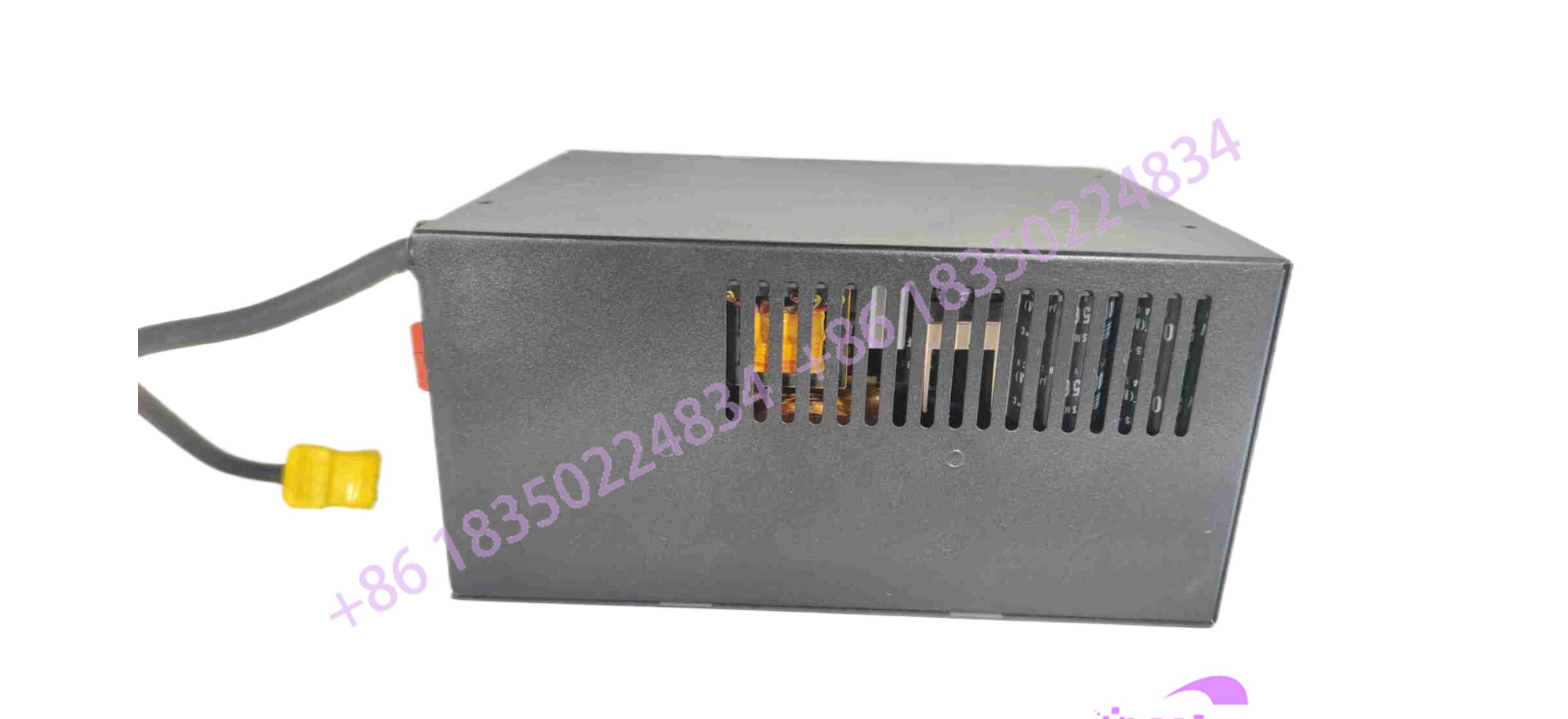
2114B-30SLT
Key Technical Specifications
| Parameter | Specification Detail |
| Manufacturer | JDS Uniphase / Cyonics (OEM Integrated for KLA-Tencor) |
| Model / Part Number | 2114B-30SLT |
| System Compatibility | KLA Surfscan 6200, 6220, 6400, 6420, and SP1 inspection platforms |
| Laser Head Support | 30mW Argon-Ion Laser Heads |
| AC Input Requirements | 200–220 / 230–240 VAC, 13 A, 50/60 Hz |
| Regulation Topology | Closed-loop optical feedback current regulation / high-voltage DC strike |
| Operating Environment | Cleanroom equipment racks (15^\circ C to 30^\circ C, non-condensing) |
Global Sourcing & Live-Test SOP (Transparency Core)
Acquiring secondary-market high-voltage laser electronics requires strict electrical stress testing and component verification to ensure zero capacitor leakage, transformer drift, or trigger failure prior to installation. Our multi-stage qualification protocol covers:
- Inbound Verification: Incoming power units undergo high-magnification optical inspection along internal power-card traces, high-voltage switching transistors, electrolytic capacitor banks, and umbilical connectors to check for thermal stress or electrolyte weeping. OEM part and serial markings are authenticated against historical archives.
- Live Simulation: We mount the power supply onto a dedicated test bench connected to a verified 30mW argon-ion plasma laser tube head under a controlled load.
- Diagnostics: Engineers execute full cold-start ignition sequences, monitor arc stability, and verify optical feedback current regulation across extended operational runs using precision power analyzers.
- Final Prep: Once testing criteria are met, the chassis is cleaned, cooling fans are inspected and serviced, and the unit is sealed inside an antistatic, moisture-barrier shielding package.
The Field Engineer’s Pitfall Guide
❗ High-Voltage Shock Hazards: Never service, open, or disconnect the umbilical cable of the 2114B-30SLT while the unit is energized. Lethal high-voltage DC charges remain stored in the internal capacitor banks even after AC power is cut.
❗ Improper Umbilical Seating: I’ve seen technicians rush a replacement and fail to lock the high-voltage laser head umbilical connector completely, resulting in intermittent striking failures and severe arcing that can pit the contact pins.
❗ Cooling Airflow Blockage: Argon laser power supplies generate substantial internal heat. Installing this unit in a rack with restricted intake airflow will quickly trigger thermal protection shutdowns or shorten component lifespans.
Intent-Driven FAQ
Can the 2114B-30SLT power supply drive different laser output wattages?
No. This specific unit is tuned and calibrated strictly for 30mW argon-ion laser systems. Pairing it with mismatched tube configurations will cause regulation faults or damage the plasma tube.
What causes the power supply to click repeatedly without striking the laser?
A repetitive clicking sound usually indicates that the unit is attempting to fire the high-voltage trigger, but a failing plasma tube, a degraded starter circuit, or a loose umbilical connection is preventing a successful arc strike.
Are these legacy laser power supplies field-repairable at the component level?
Due to high-voltage circuitry, dense multi-layer control boards, and specialized calibration requirements, component-level field repairs are strongly discouraged. Whole-unit replacement ensures safety and equipment reliability.
What tools are compatible with this exact power supply part number?
It is predominantly utilized across legacy KLA-Tencor Surfscan surface defect inspection tools (such as the 6200 through 6420 series and SP1 frameworks).
What level of warranty is included with this surplus power supply?
We back this component with a comprehensive one-year replacement warranty, covering material defects and electrical performance under standard cleanroom working conditions.





