

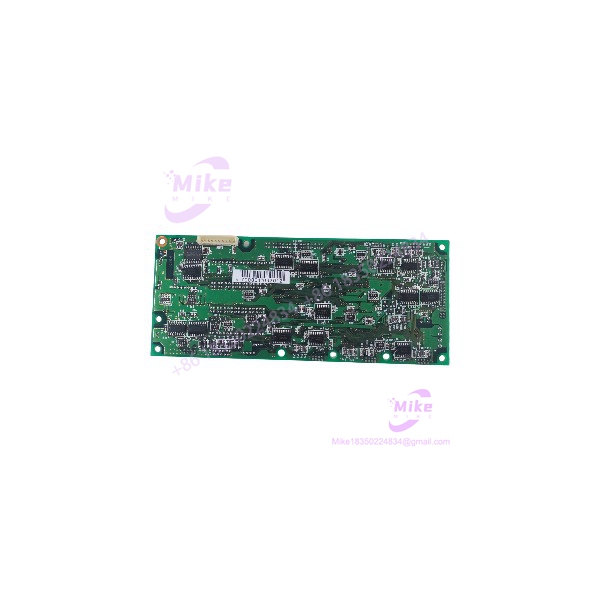
Description
Ishida P-5433B | RCU Circuit Board Key Spec Data
Architect’s Product Breakdown
The Ishida P-5433B circuit board operates as a core processing and communication node within the control architecture of high-speed multihead weighers. In demanding packaging line environments, maintaining precise signal transmission between weigh hoppers and the central system processor is essential to prevent weighing errors and timing drift. This specific hardware component handles internal data routing and command execution for general remote control unit frameworks.
Replacing electronics on legacy weighing machinery requires strict adherence to handling procedures to prevent electrostatic discharge damage. When upgrading or swapping out this circuit board model, technicians must verify that the revision code matches the underlying backplane and peripheral firmware versions. Failing to confirm hardware compatibility can lead to communication timeouts or initialization failures during startup sequences on the production floor.

P-5433B
Key Technical Specifications
- Manufacturer: Ishida
- Product Category: Printed Circuit Board (PCB) / RCU Board
- Mounting Type: Enclosure / Chassis Rack Mount
- Circuit Function: Remote Control Unit (RCU) data processing and signal routing
- Operating Temperature Range: 0°C to +50°C
- Relative Humidity Limit: 20% to 85% (non-condensing)
- Vibration Tolerance: Low-vibration cabinet installation recommended
- Weight: Approximately 0.8 kg
- Diagnostic Indicators: Board-mounted status LEDs for power and communication health
Field Engineer’s Pitfall Guide (Unique Value)
- Neglecting Electrostatic Discharge Precautions: Handling the circuit board model without a grounded wrist strap can destroy sensitive onboard integrated circuits instantly. Always use proper anti-static grounding before touching component traces.
- Forgetting Jumper Settings: I’ve seen maintenance teams spend hours troubleshooting a non-responsive scale after a board swap, only to realize they missed setting the hardware configuration jumpers to match the old unit.
- Ignoring Power Supply Ripple: Installing a replacement board onto a rack with a degraded power supply unit will introduce voltage noise, causing intermittent calculation errors during high-speed weighing cycles.
QA & Testing SOP (Transparency)
- Visual & Origin Verification: Each unit undergoes physical inspection to verify OEM markings, date codes, and the absence of solder bridging or damaged traces.
- Live Test Bench Environment: Boards are installed on dedicated test fixtures powered by calibrated bench supplies to verify operational stability under simulated load.
- Signal & Communication Testing: Technicians execute diagnostic handshakes and memory verification routines to ensure zero packet degradation across data channels.
- Anti-Static Packaging: Post-testing, units are sealed inside conductive shielding bags with moisture barrier protection for safe transit.
Technical FAQ
Can I replace the P-5433B circuit board while the scale is powered on? No. Live replacement risks shorting sensitive logic traces and can permanently damage the central processor or surrounding I/O cards. Always de-energize the entire cabinet before servicing.
Does this circuit board model retain calibration data after power loss? Configuration parameters are typically stored on non-volatile memory or managed via the central system controller, but you must verify backup parameters before swapping hardware.
What causes intermittent communication faults after installing a replacement board? Intermittent faults are almost universally caused by loose ribbon cable connections, dirty connector pins, or an unseated backplane edge connector.
What is the standard warranty status for surplus inventory units? Verified surplus or factory-sealed modules typically carry a 12-month operational warranty covering material and manufacturing defects under normal industrial environments.





