

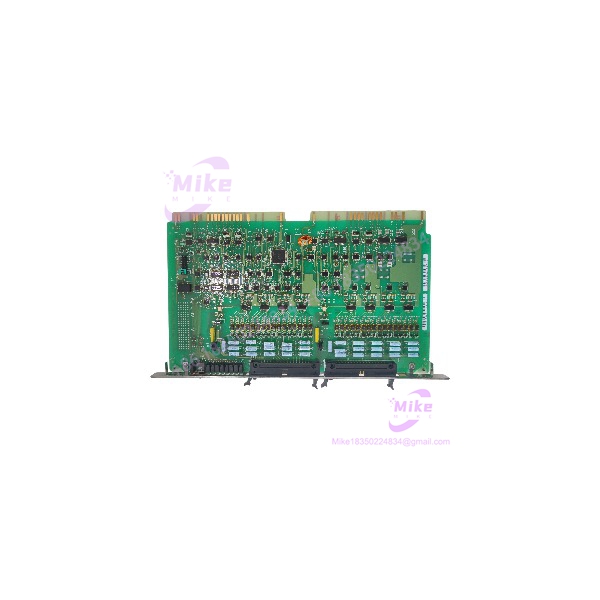
Description
Hitachi LYD000A | Legacy Digital I/O Module
Product Introduction
A part number is only useful if it leads to the correct hardware. The Hitachi LYD000A is marketed through surplus automation channels, but those listings do not agree on its precise role. Several identify it as a digital input module with a reported 24 VDC input, while other pages use different classifications—including redundant output and generic industrial controller module. The exact function should therefore be confirmed from the physical nameplate, OEM documentation, or the installed system’s parts list before purchase.
For maintenance teams, the Hitachi LYD000A should be treated as a configuration-sensitive legacy spare—not as a universal 24 VDC I/O replacement. Before installation, establish the module’s actual I/O role, system family, terminal arrangement, and electrical requirements. A reseller’s generic description is not sufficient evidence of compatibility with an operating control system.
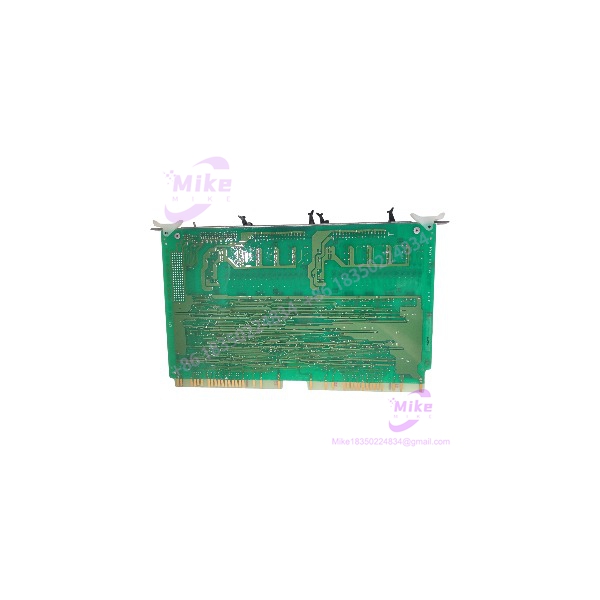
LYD000A
Key Technical Specifications
- Model Number: LYD000A
- Manufacturer: Hitachi
- Product Type: Legacy industrial automation module
- Reported Function: Digital input module; exact function requires confirmation
- Reported Input Voltage: 24 VDC in multiple reseller listings
- Input Channel Count: Not reliably established
- Input Signal Characteristics: Not verified for the exact model
- Output Functionality: Not confirmed; some third-party descriptions conflict with the digital-input classification
- Isolation: Not verified
- Power Consumption: Not verified
- Communication Interface: Not reliably established
- Mounting/Rack Type: Requires confirmation against the host Hitachi system
- Terminal/Connector Type: Not verified
- Operating Temperature: Conflicting reseller values; do not use as an acceptance specification
- Firmware/Configuration Requirements: Not established from verified model-specific documentation
Specification note: The 24 VDC input claim is repeated by multiple surplus suppliers, but channel count, signal characteristics, and the module’s exact system role remain unverified. Confirm these details against the original Hitachi documentation or the installed module before applying field wiring.
Global Sourcing & Live-Test SOP
For a legacy Hitachi module, the incoming inspection should establish identity and application compatibility before electrical testing.
1. Inbound Verification
- Photograph the complete module, nameplate, connectors, and rear assembly.
- Confirm the exact LYD000A model designation.
- Record serial number, hardware revision, and any secondary Hitachi part numbers.
- Inspect connectors, PCB surfaces, mounting features, and enclosure for damage.
- Check for corrosion, contamination, damaged pins, or evidence of unauthorized repair.
- Request a written condition statement: new surplus, used, refurbished, or tested.
- Obtain the seller’s return policy and warranty terms before ordering.
2. System and Configuration Review
- Identify the host Hitachi PLC/DCS platform.
- Confirm the module’s intended I/O function from the original bill of materials or system manual.
- Verify rack, slot, baseplate, and terminal-block compatibility.
- Confirm the field-signal type and electrical limits.
- Compare hardware revisions with the installed module.
- Do not assume that a reseller’s generic “digital input” or “redundant output” classification establishes the correct application.
3. Controlled Functional Testing
Testing should use the appropriate Hitachi rack or an approved test setup.
- Verify the test rack’s supply and grounding requirements.
- Inspect the module before insertion.
- Confirm module recognition and startup diagnostics.
- Apply only the signal type and voltage specified by the verified OEM documentation.
- Check channel response against the approved test procedure.
- Record status indicators, diagnostic codes, and any abnormal behavior.
- Do not apply 24 VDC solely because a reseller lists that voltage.
4. Extended Run and Diagnostics
Where the correct test environment is available, perform an extended powered test appropriate to the module’s verified function.
Monitor:
- Startup and module-recognition behavior
- Status indicators and diagnostic messages
- Input/output response under the specified test conditions
- Intermittent faults or unexpected resets
- Abnormal heating or visible component distress
Record the test rack, slot, hardware revision, applied signals, test duration, and results. Avoid describing the unit as fully tested unless the actual test scope is documented.
5. Final Preparation and Shipment
- Preserve the original label and hardware identification.
- Photograph the inspected unit before packing.
- Use ESD-safe packaging and connector protection.
- Cushion the module against impact during international transport.
- Include the inspection report and any available test records.
- Identify included terminal blocks or accessories separately.
Field Engineer’s Pitfall Guide
❗ Conflicting product classifications can lead to a wrong-part purchase
LYD000A is described as a digital input module by several suppliers, but other listings assign different functions. Confirm the exact role from the nameplate and Hitachi system documentation before treating it as an I/O replacement.
❗ Do not wire by assumed voltage or channel count
The reported 24 VDC input specification is not enough to establish signal compatibility. Verify the electrical limits, channel arrangement, isolation, and common-terminal configuration before connecting field devices.
❗ A matching part number does not prove rack compatibility
Confirm the host controller family, rack/baseplate, slot assignment, connector, and revision requirements. A module that looks physically similar may still be unsuitable for the target system.
Intent-Driven FAQ
What is the Hitachi ?
It is a legacy Hitachi automation component marketed by surplus suppliers. Several listings identify it as a digital input module, but conflicting descriptions mean the exact function should be verified before purchase.
Does the use 24 VDC?
Multiple reseller listings report 24 VDC, but the exact electrical specification has not been confirmed through a model-specific OEM datasheet. Verify the nameplate and wiring documentation before energizing the module.
How many input channels does the have?
Available third-party descriptions are inconsistent. Do not rely on a generic channel count; confirm the exact hardware variant and OEM documentation.
Is the a digital input or redundant output module?
The available surplus listings conflict on this point. Several call it a digital input module, while another describes it as a redundant output module. Confirm the intended function from the original Hitachi documentation or the installed system’s parts list.
Can the be hot-swapped?
Do not assume hot-swap capability. Follow the applicable Hitachi system manual and site maintenance procedure. Unless live replacement is explicitly supported, treat the replacement as a power-down maintenance operation.
Is the Hitachi obsolete?
It is marketed through legacy and surplus automation channels. Current OEM lifecycle status and support availability have not been independently verified. Surplus listings alone do not establish active manufacturer support.
What should buyers verify before ordering?
Request clear nameplate and connector photos, serial and revision details, the seller’s condition statement, and any available test report. Confirm the exact I/O function, electrical requirements, and rack compatibility against the installed system before approving the purchase.
Bottom Line for Buyers
The is a legacy automation component with inconsistent third-party descriptions. Digital-input functionality and 24 VDC operation are reported by multiple sellers, but the exact channel count, electrical characteristics, and system compatibility remain unverified.
For procurement, specify the complete model number, request clear hardware photos, and validate the module’s function and rack compatibility against the original Hitachi documentation. Do not approve it as a drop-in replacement based on a reseller title alone.





