


Description
Foxboro E69F-T-I2-JRS | Explosion-Proof I/P Converter, In Stock
Architect’s Product Breakdown
The Foxboro E69F-T-I2-JRS is an engineered-for-safety current-to-pneumatic transducer designed explicitly for deployment in hazardous, explosive process environments (such as petrochemical refineries, oil and gas extraction sites, and chemical plants). Its primary operational responsibility is to accept a standard 4-20 mA analog control signal from an electronic controller or distributed control system (DCS) and convert it into a proportional pneumatic output (3-15 psi) via an internal galvanometric motor and pneumatic relay mechanism.
The “T” prefix specifies the rugged threaded explosion-proof housing design, ensuring that any internal electrical spark is safely contained within the enclosure. When maintaining legacy loops, matching the exact suffix string (-T-I2-JRS) is critical. Variations in electrical conduit connection types, mounting brackets, or pneumatic calibration ranges can cause compliance failures or signal scaling errors during replacement.
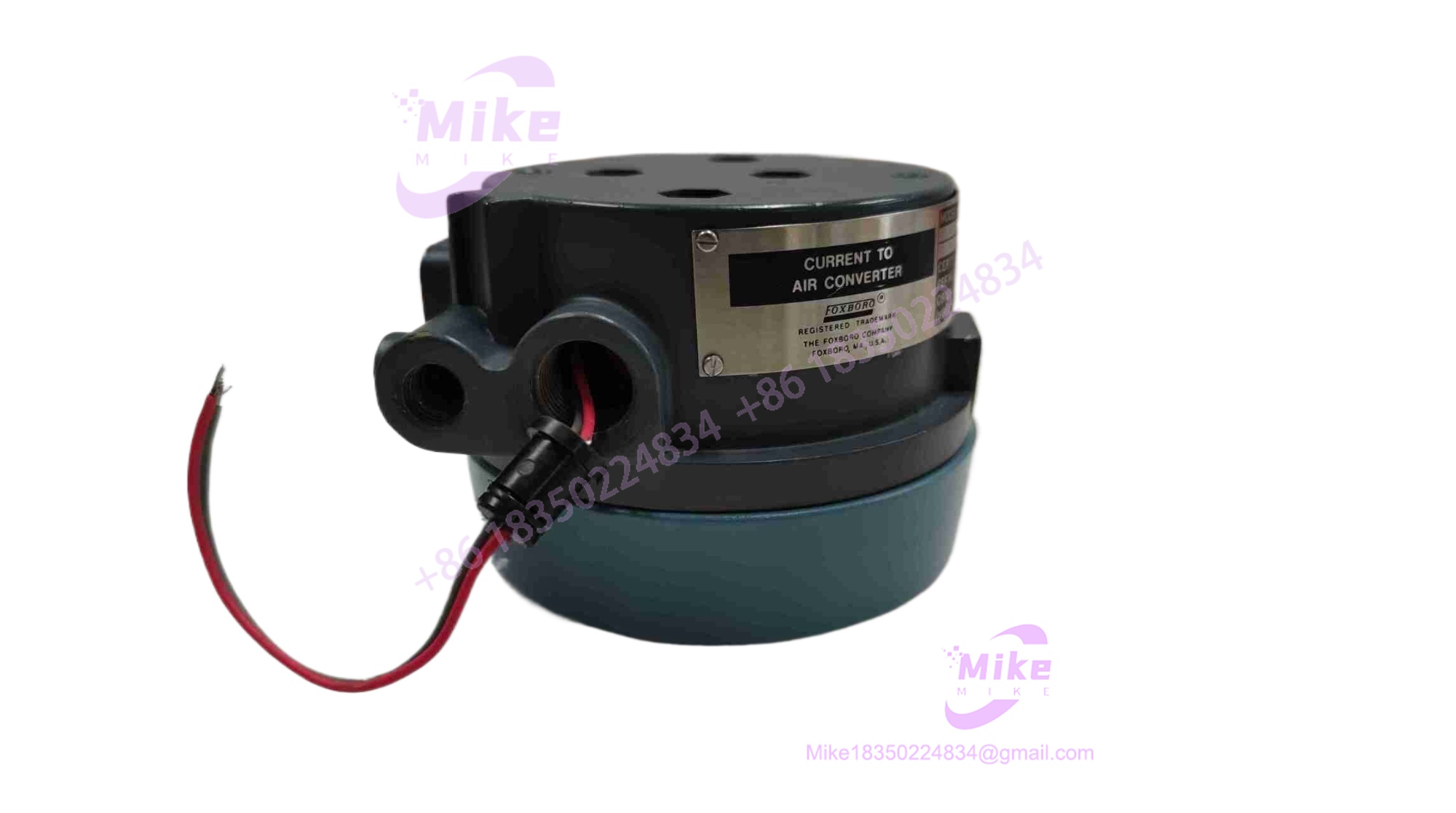
E69F-T-I2-JRS
Key Technical Specifications
| Parameter | Specification |
| Series | Foxboro E69F Field-Mounted Explosion-Proof I/P Converter |
| Model / Part Number | E69F-T-I2-JRS |
| Enclosure Type (T) | Threaded explosion-proof cover (rated for hazardous area classifications) |
| Input Signal Range (I) | 4 to 20 mA dc loop-powered input |
| Output Pressure (2) | 3 to 15 psi (20 to 100 kPa / 0.2 to 1.0 bar) proportional output |
| Suffix Options (-JRS) | Factory configuration code designating specific electrical connection/mounting details |
| Air Supply Requirements | Clean, dry, oil-free instrument air (per ISA standards) |
| Mounting Options | Surface, valve yoke, or vertical 2-inch pipe mount |
Field Engineer’s Pitfall Guide
- WARNING: Hazardous Area Power Interruption. Never remove the threaded explosion-proof cover (
T) while the unit is energized in an active explosive atmosphere; always de-energize the circuit per local safety codes. - WARNING: Contaminated Instrument Air. Introducing trace compressor oil or moisture into the supply ports will foul the internal pneumatic restrictor and relay nozzle, causing calibration drift or output lockup.
- WARNING: Thread Galling on Explosion-Proof Enclosure. Forcing the heavy threaded cover without applying appropriate anti-seize or alignment care can damage the flame path threads, violating explosion-proof certification integrity.
- Field Anecdote: I remember an emergency maintenance team losing valuable startup hours because a replacement I/P unit was ordered without checking the hazardous area enclosure suffix, forcing them to wait for an explosion-proof “T” model instead of a standard weatherproof version.
QA & Testing SOP
- Visual & Origin Verification: Inspect the heavy-duty cast housing, threaded flame-path covers, and pneumatic ports for mechanical wear, thread damage, and verify original Foxboro nameplate safety ratings.
- Live Test Bench Environment: Mount the converter to a certified pneumatic calibration bench, supply clean regulated instrument air, and connect the input terminals to a precision 4-20mA current source.
- Calibration & Performance Testing: Step input current through calibration points (0%, 50%, 100%) and verify that the 3-15 psi pneumatic output tracks linearly against a digital reference pressure gauge.
- Anti-Static & Protective Packaging: Seal all pneumatic ports with threaded protective caps and package the heavy assembly in high-density structural foam to prevent transit damage.
Technical FAQ
What does the “T” prefix designate on this model?
The “T” denotes a threaded explosion-proof housing design, making the unit safe for installation in classified hazardous locations where flammable gases or vapors may be present.
Can the E69F-T-I2-JRS be used as a drop-in replacement for a standard E69F-BI2?
Mechanically and functionally yes regarding the signal and pneumatic range, but the explosion-proof “T” version has a heavier housing and different cover design compared to the standard weatherproof bolted “B” cover.
What causes sluggish output pressure response in this converter?
Sluggish response is usually caused by clogged internal pneumatic filters, a restricted nozzle restrictor, or a drop in incoming plant instrument air supply pressure.
What is the recommended modern alternative for obsolete E69F units?
Schneider Electric/Foxboro typically recommends transitioning to modern IP26 Series current-to-pneumatic converters for current plant upgrades when legacy stock is unavailable.





