


Description
Duplomatic DDC4-10-400/20 | Digital Proportion Valve Card Core Category
Dynamic Product Introduction
Replacing sophisticated digital card controllers in industrial hydraulic and proportional valve systems requires exact parameter matching and hardware reliability to maintain precise axis positioning and pressure/flow regulation. Honestly, the Duplomatic DDC4-10-400/20 solves this challenge directly by delivering native digital processing and closed-loop amplifier control engineered specifically for Duplomatic proportional valve architectures. This unit manages complex control algorithms smoothly without signal drift or tuning degradation (—though verifying your exact firmware version, parameter setup, and command input configuration beforehand is vital). Compared to generic analog amplifiers, the Duplomatic DDC4 preserves exact system linearization and repeatability, preventing costly hydraulic calibration errors during maintenance windows.
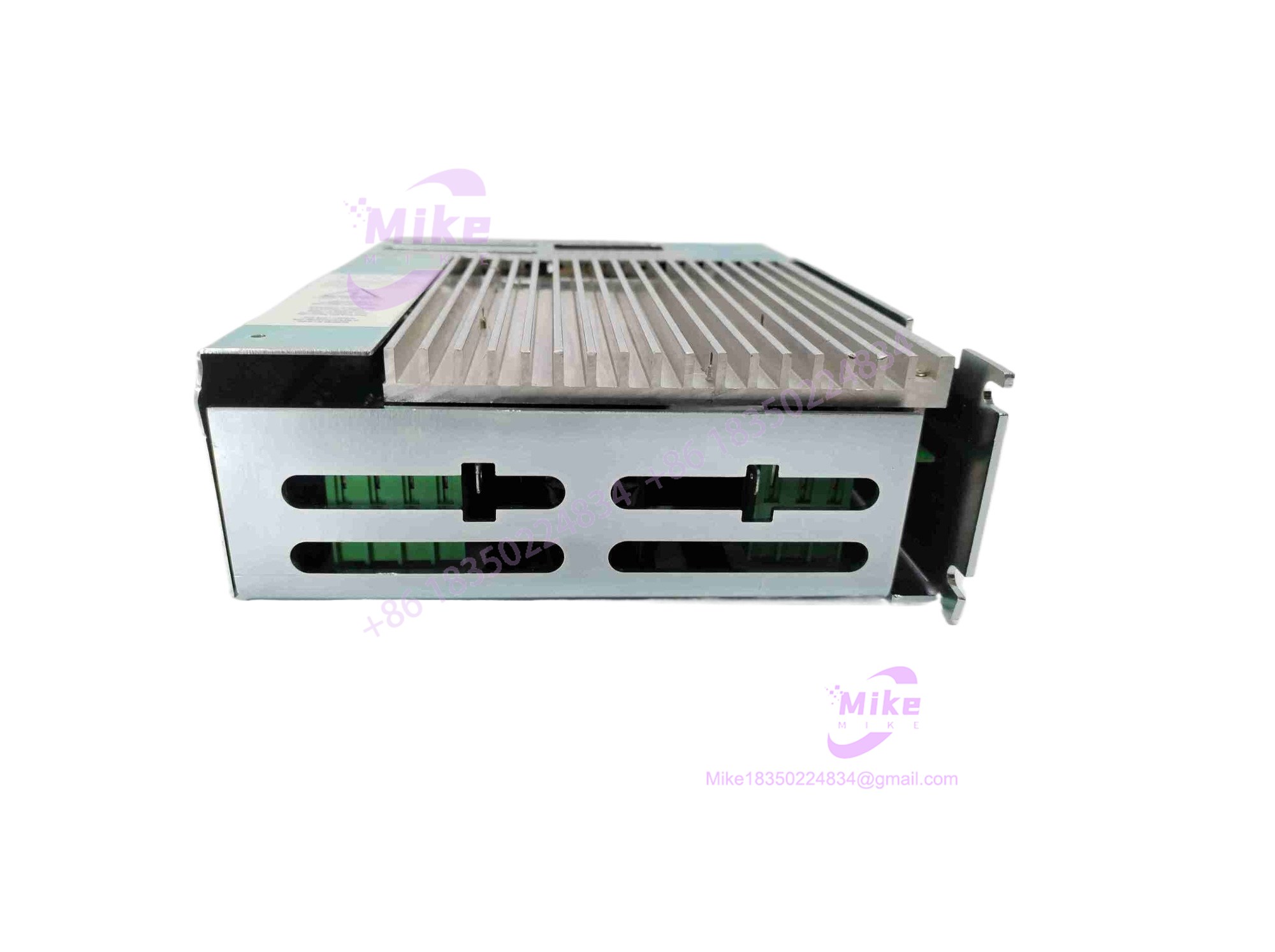
DDC4-10-400/20
Key Technical Specifications
| Specification | Parameter Value |
| Product Series | Duplomatic DDC4 Digital Control Card Line |
| Model Designation | DDC4-10-400/20 |
| Control Architecture | Microprocessor/DSP-based digital control with firmware support (e.g., DSP / I/O FW variants) |
| Application | Proportional valve driver, position/pressure/flow loop control |
| Enclosure / Mounting | Standard rack-mountable Eurocard profile for electrical cabinets |
| Operating Environment | 0°C to 50°C industrial standard compliance |
| Configuration Interface | Serial / software parameterization setup via dedicated software tools |
| Diagnostics | Onboard status LEDs for power, operational state, and fault reporting |
Global Sourcing & Live-Test SOP (Transparency Core)
Acquiring secondary-market digital hydraulic controller cards requires strict electronic evaluation to ensure internal microprocessors, analog-to-digital converters, and output current drivers haven’t suffered from thermal stress or electrical transients. For every inbound Duplomatic DDC4-10-400/20 unit, our audit team logs serial numbers against global OEM traceability ledgers and inspects edge connectors and component soldering for oxidation or mechanical strain.
Once cleared, the unit is mounted onto an active Duplomatic hydraulic test simulation bench. Technicians apply nominal supply voltage, establish communication handshake via the programming interface, verify command-to-output signal linearity across proportional channels, and run a 24-hour thermal burn-in cycle. The unit is then cleaned, fitted with protective packaging, and sealed inside an anti-static moisture-barrier bag.
The Field Engineer’s Pitfall Guide
❗ Hot-Plugging Rack Hazards: Inserting or extracting the card while the subrack power supply is energized can arc connector pins, corrupt memory registers, or blow internal output stages. Always power down the rack before servicing.
❗ Parameter Configuration Mismatches: Swapping a controller card without backing up or transferring the exact parameter set (such as ramp times, scale factors, and PID loops) can cause erratic hydraulic actuator movement. Always upload/download correct configuration files.
❗ Improper Edge Connector Seating: Forcing the Eurocard into the backplane connector at an angle can bend gold-finger pins, resulting in intermittent command communication errors or valve control failure.
Intent-Driven FAQ
- Does replacing the Duplomatic -10-400/20 require reprogramming?
Yes, configuration profiles, scaling parameters, and axis tuning specifics must be loaded onto the replacement card using Duplomatic’s configuration software to match your specific hydraulic axis.
- Is the controller compatible with older analog Duplomatic valves?
The is engineered for digital proportional applications; verify your exact valve model and wiring configuration against technical documentation before installation.
- What type of warranty covers surplus Duplomatic cards?
Verified secondary-market inventory includes a comprehensive 1-year operational warranty backed by our pre-shipment bench-test and signal verification logs.
- Can I repair internal component faults on this controller card myself?
Component-level repair is strongly discouraged due to surface-mount technology, multi-layer board layouts, and strict calibration requirements; always rely on certified service units.
- How do I verify if a replacement unit has been bench-tested?
Look for serialized QA verification stickers, clean unmarred gold-finger edge connectors, and accompanying test reports included in the packaging.





