


Description
Denison 701-00610-8 | Hydraulic Valve Control Assembly
Dynamic Product Introduction
Pressure spikes, fluid contamination, and mechanical wear inside industrial hydraulic circuits can lead to internal valve leakage, reduced system pressure, or sluggish actuator response. When a critical control valve element in a hydraulic power unit fails, machinery like metal presses, injection molding systems, and marine winches lose precise motion control. The Denison 701-00610-8 hydraulic assembly delivers reliable flow regulation and pressure control under continuous high-duty operation.
Engineered by Denison Hydraulics (now part of Parker Hannifin), the 701-00610-8 features precision-ground internal spools and seats designed to resist cavitation erosion and thermal fluid degradation. Operating seamlessly within integrated manifold blocks, this valve element provides tight shutoff and smooth spool transition, protecting downstream hydraulic pumps and cylinders from pressure transients. For maintenance engineers managing heavy industrial hydraulic systems, stocking a factory-verified 701-00610-8 ensures rapid replacement and minimizes costly system downtime.
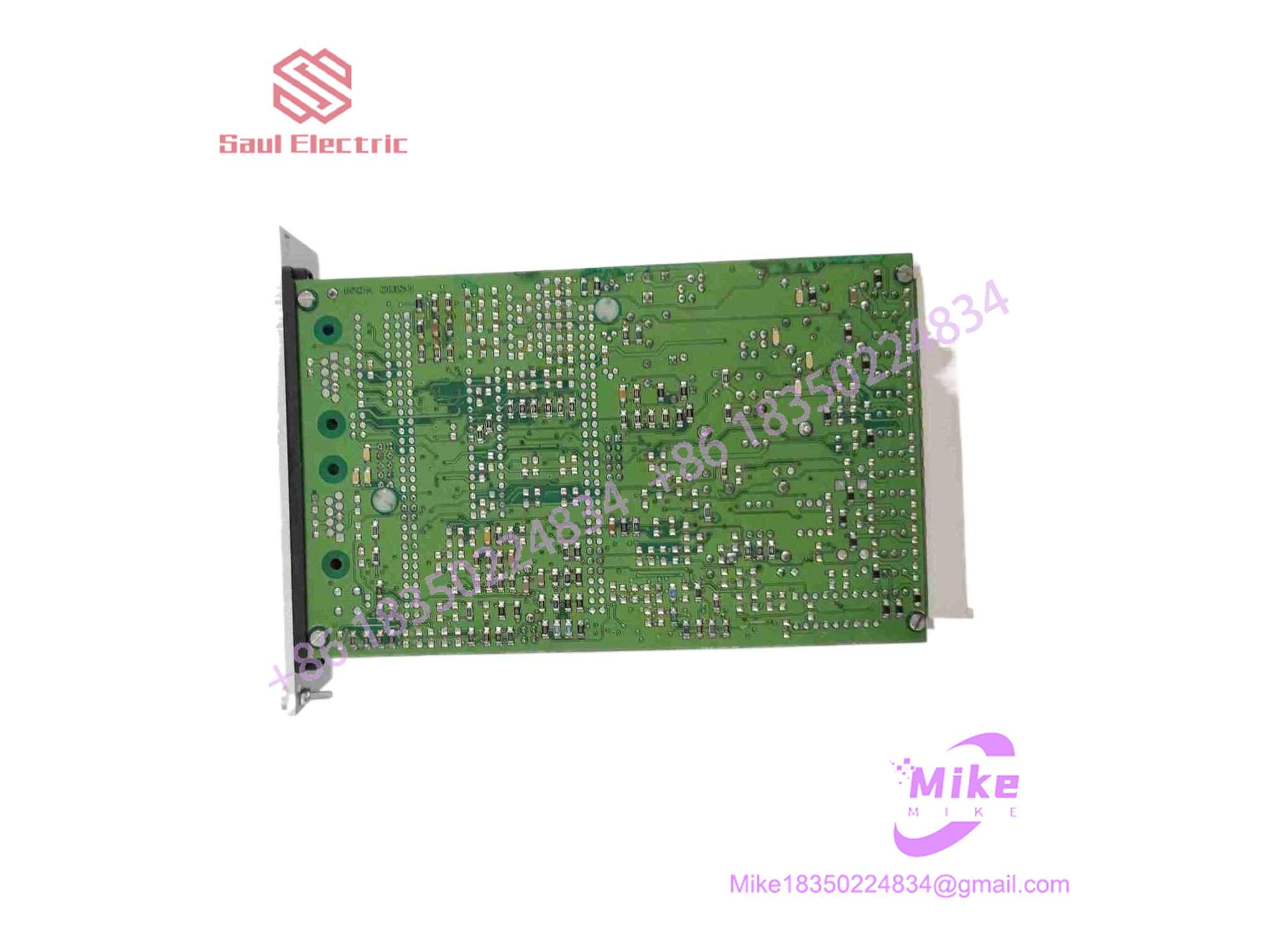
701-00610-8
Key Technical Specifications
| Parameter | Technical Specification |
| Component Type | Hydraulic Control Valve / Cartridge Element |
| Max Operating Pressure | Up to 350 bar (5000 PSI) standard operating limit |
| Fluid Compatibility | Mineral-based hydraulic oils (HLP, HM), synthetic fluids |
| Viscosity Range | 10 to 650 mm²/s (cSt) |
| Operating Temperature | -20°C to +80°C (-4°F to 176°F) |
| Body Material | Precision-machined hardened steel |
| Seal Material | High-grade Nitrile (NBR) / Fluorocarbon (FKM) |
| Mounting Style | Subplate / Manifold Block Insertion |
| Contamination Class | ISO 4406 Cleanliness Level 20/18/15 or cleaner |
Global Sourcing & Live-Test SOP (Transparency Core)
To ensure reliable performance in high-pressure hydraulic circuits, every surplus and refurbished Denison hydraulic assembly undergoes a multi-stage testing and inspection process:
Inbound Verification & Physical Audit
- Traceability Review: Checking OEM stamping, serial numbers, and part codes (701-00610-8) against Denison / Parker catalog databases to confirm authenticity.
- Microscopic Inspection: High-magnification optical audit of precision-machined spool surfaces, thread pitch, internal land edges, and mounting faces for signs of scoring, pitting, or burrs.
Live Bench Simulation & Pressure Testing
- Static Pressure Testing: Mounting the valve onto a hydraulic test manifold and applying 1.5x rated operating pressure to verify housing integrity and zero external leakage.
- Flow & Leakage Audit: Circulating fluid across the valve ports to test internal bypass leakage limits, spool shift response, and pressure drop characteristics across the full operating range.
Diagnostic & Cleanliness Protocol
- Seal Refresh: Replacing pre-owned O-rings and backup rings with new, factory-spec seals.
- Ultra-Sonic Flushing: Deep cleaning the entire assembly in a solvent ultrasound bath to remove microscopic particulates before final testing.
Final Prep & Sealed Packaging
- Fluid Preservation: Flushing internal cavities with light rust-inhibiting hydraulic oil and plugging open ports with protective caps.
- VCI Protective Packaging: Sealed in heavy-duty Volatile Corrosion Inhibitor (VCI) bags and packed in custom foam-lined wooden crates for global dispatch.
The Field Engineer’s Pitfall Guide
❗ Installing with Contaminated Hydraulic Fluid
The tight precision tolerances of the internal spool and body in the 701-00610-8 make it sensitive to particulate contamination. Installing this valve into a system with dirty oil (poorer than ISO 4406 20/18/15) will cause the spool to stick, leading to erratic pressure control or complete valve lockup.
(In actual field callouts, I’ve seen brand-new hydraulic valves fail within hours simply because the system filters were bypassed or saturated prior to installation).
❗ Pinched or Missing O-Ring Seals During Insertion
When installing the valve into a manifold block, applying uneven torque or failing to lubricate the O-rings can pinch or shear the outer seals. This leads to internal cross-port fluid bypass or high-pressure external oil leaks.
❗ Exceeding Recommended Mounting Bolt Torque
Over-torquing the mounting bolts on subplate-mounted assemblies can warp the valve body slightly, causing internal spool binding and unpredictable valve actuation. Always use a calibrated torque wrench and follow Parker Denison torque specifications.
Intent-Driven FAQ
Is Denison Hydraulics still an active brand?
Denison Hydraulics was acquired by Parker Hannifin. While many original Denison components carry Denison part numbers like 701-00610-8, they are supported and manufactured under Parker Hannifin’s hydraulic divisions.
What fluid cleanliness level is required for this valve?
A minimum fluid cleanliness of ISO 4406 Class 20/18/15 (or NAS 1638 Class 9) is recommended to prevent spool scoring and ensure smooth control response.
Can I replace the internal seal kit on the 701-00610-8 in the field?
Yes. Seal kits (containing high-pressure O-rings and backup rings) are available. However, if the internal metal spool or body bore shows mechanical scoring, a full valve assembly replacement is necessary.
What symptoms indicate that this hydraulic valve needs replacement?
Key signs include inability to hold system pressure, excessive fluid heating due to internal bypass leakage, jerky or sluggish cylinder/motor movement, or visible oil weeping around the valve body joints.
What warranty applies when purchasing this module as certified surplus?
All fully tested surplus and replacement Denison 701-00610-8 hydraulic units include a standard 12-month operational warranty covering pressure retention, spool movement, and mechanical seal integrity under standard operating conditions.





