


Description
DALSA CR-GEN0-M6400R3 | High-Resolution Machine Vision Unit
Dynamic Product Introduction
Modern automated manufacturing, web scanning, and surface inspection cells require machine vision hardware capable of high-speed clarity and unwavering capture reliability. When legacy imaging lines experience sensor degradation, communication dropouts, or hardware failure, installing a verified Teledyne DALSA CR-GEN0-M6400R3 camera restores absolute precision to the inspection loop.
Engineered specifically for rigorous factory floors, this advanced vision module handles high-throughput processing environments without dropping frames or losing synchronization. Deploying a fresh CR-GEN0-M6400R3 unit ensures seamless software integration, dependable trigger handshakes, and uninterrupted product quality verification.
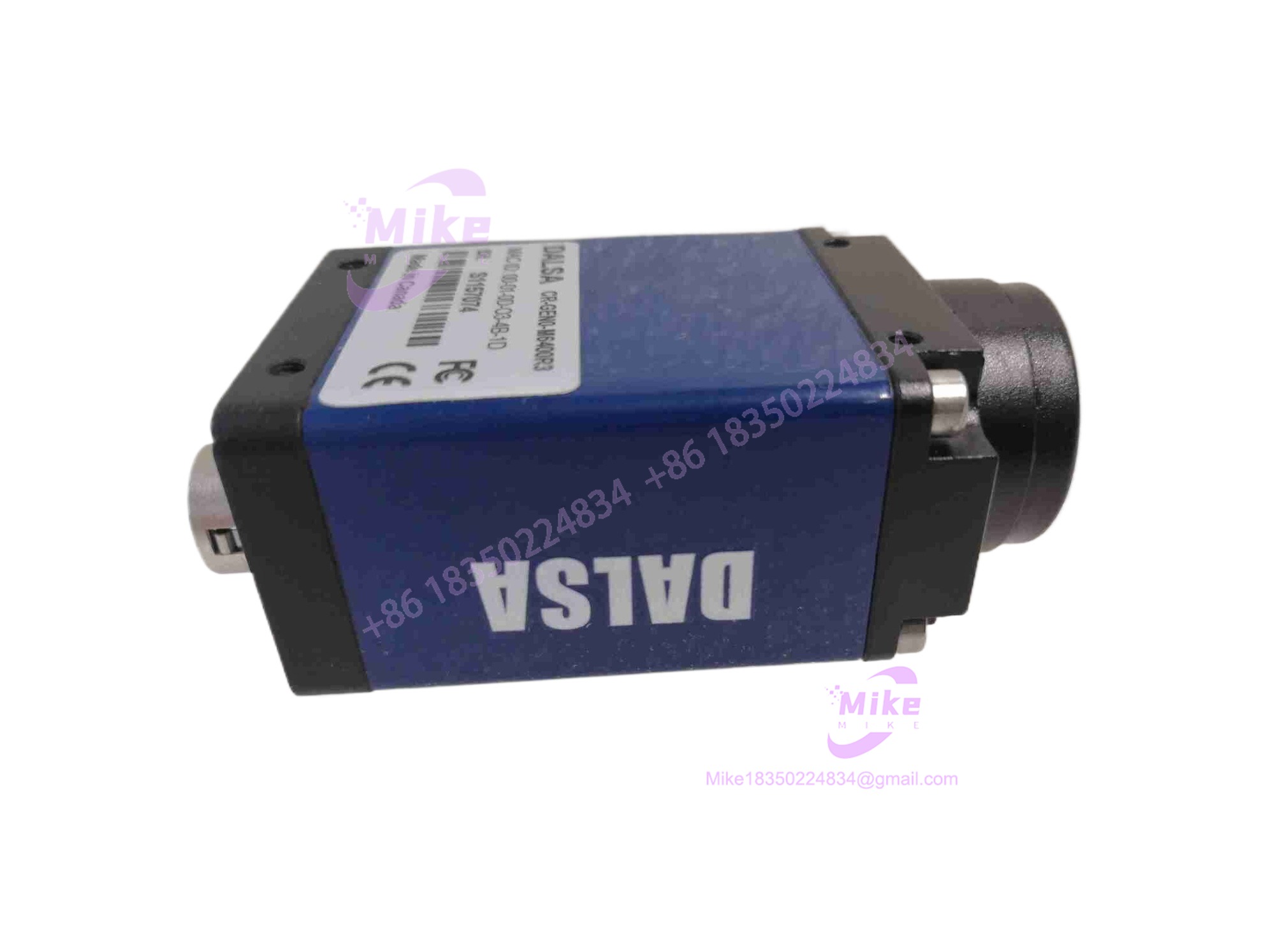
CR-GEN0-M6400R3
Key Technical Specifications
| Core Parameter | Technical Specification |
| Product Model | CR-GEN0-M6400R3 |
| Manufacturer | Teledyne DALSA |
| System Compatibility | Industrial machine vision and automated optical inspection (AOI) platforms |
| Module Classification | High-Resolution Industrial Vision Camera |
| Sensor Architecture | Advanced monochrome sensor configuration (high pixel density variant) |
| Interface Protocol | High-speed data transfer interface (GigE Vision / Camera Link variant compatible) |
| Trigger Support | Software and hardware external triggering options |
| Operating Environment | Designed for standard industrial factory floor and enclosure thresholds |
| Mounting Format | Standard industrial lens mount and bracket interfaces |
Global Sourcing & Live-Test SOP (Transparency Core)
Acquiring legacy or specialized machine vision hardware through secondary markets requires an exhaustive verification workflow to guarantee optical integrity and data transmission stability.
- Inbound Verification: Incoming CR-GEN0-M6400R3 batches undergo high-magnification optical inspection of sensor glass surfaces, interface connector pins, and laser-etched traceability markings against official DALSA production records.
- Live Simulation: Technicians mount the camera onto a calibrated optical test bench energized by regulated power supplies to verify sensor response, boot initialization, and packet transmission handshakes.
- Diagnostics: Engineers execute full-scale frame acquisition sweeps, checking pixel uniformity, trigger responsiveness, and running a 24-hour thermal soak chamber test under load.
- Final Prep: Hardware units receive comprehensive firmware revision logging, protective port capping, and vacuum sealing inside heavy-gauge moisture-barrier ESD shielding bags.
The Field Engineer’s Pitfall Guide
❗ Lens Mount Contamination: Exposing the sensitive sensor window or internal glass to dust particles during lens installation can cause permanent imaging artifacts. Always perform optical swaps in a clean environment and attach protective caps immediately.
❗ Bandwidth and Cabling Limits: Using unshielded or excessively long data cables can introduce packet jitter or data loss during high-speed image transfers. Always adhere to maximum specified cable run lengths and use high-grade shielded infrastructure.
❗ Incorrect Trigger Polarity: Misconfiguring software trigger settings or hardware strobe polarities can cause the camera to miss high-speed inspection cycles on the production line. Always verify timing parameters prior to final commissioning.
Intent-Driven FAQ
Will swapping this CR-GEN0-M6400R3 camera require recalibrating my vision software?
Yes. Minor variations in sensor alignment or pixel positioning mean you should run a quick spatial calibration and update your inspection recipe coordinate offsets within your machine vision software (such as Sherlock or Sapera).
Are these units original factory sealed or surplus stock?
Sourced inventory pools span both original factory-sealed packaging and fully certified, tested surplus hardware. Every unit undergoes rigorous bench-level optical validation prior to dispatch.
What lighting environment is best suited for this camera?
Performance depends heavily on stable machine vision lighting (such as strobed LED backlights or coaxial ring lights) matched to the exposure and frame rate requirements of your application.
What software environment interfaces with this DALSA model?
Integration and configuration are typically managed through Teledyne DALSA’s proprietary imaging software suites and standard GenICam-compliant machine vision libraries.
What kind of warranty accompanies a replacement camera module?
All supplied units carry a comprehensive 1-year operational warranty covering internal sensor health, communication port stability, and electronic board integrity.
Are you integrating this CR- camera into an active inspection system upgrade or keeping it on hand as a critical hot-spare for your production line?





