Description
Daiichi Dentsu SAN4II-40M-P | Servo Fastening Controller Core Category
Dynamic Product Introduction
Assembly automation lines in high-throughput automotive and battery manufacturing lose thousands of dollars per minute when a primary fastening controller drops off the fieldbus or triggers unresolvable axis sync faults. Honestly, swapping out a multi-axis torque controller on an active production line is one of the most nerve-wracking tasks an integration engineer faces, especially when legacy wiring harnesses and parameter memory profiles are on the line.
The Daiichi Dentsu SAN4II-40M-P resolves these line-halt situations by providing robust, microsecond-level synchronization across up to four independent tightening axes. Engineered to interface with DDK NFT series tightening spindles, this SAN4II-40M-P drive handles complex multi-stage yield point, angle, and torque-limiting algorithms without taxing upper-level PLC processors. In field deployments, replacing an aging control node with a verified SAN4II-40M-P restores baseline cycle times instantly while preserving historic tightening data logs across heavy shift schedules.
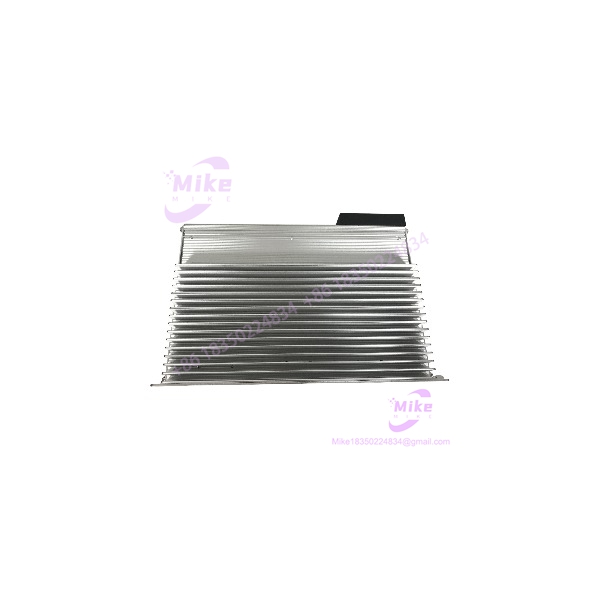
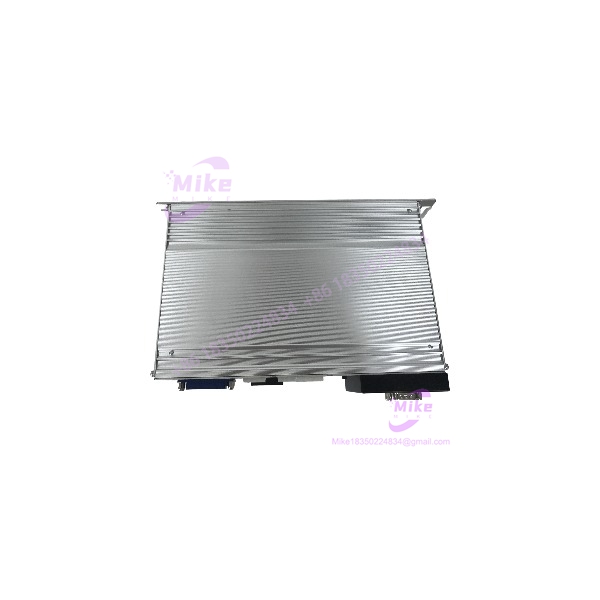
SAN4II-40M-P
Key Technical Specifications
- Power Input: Three-phase AC 200 V to 220 V (±10%), 50/60 Hz
- Control Axes: 4-axis independent synchronous control
- Rated Power Consumption: 80 W base logic load; 18 A instantaneous peak current
- Control Algorithms: Torque control, angle control, yield point control (CW/CCW), composite torque/angle mode
- Parameter Storage: 16 standard parameter sets (expandable to 32 sets)
- Data Logging: Internal non-volatile logging up to 10,000 tightening result groups
- Communication Interfaces: RS-485 (Modbus RTU), optional RS-232C, front USB programming port
- I/O & Analog Signals: Discrete relay DI/DO channels and 4–20 mA analog output feedback
- Operating Temperature: 0°C to +45°C ambient operating window
- Mechanical Weight & Mounting: Approximately 5.0 kg unit weight; panel or DIN-style backplate mounting
Global Sourcing & Live-Test SOP (Transparency Core)
Sourcing legacy industrial controllers demands a zero-trust verification strategy. Inbound shipments of the SAN4II-40M-P undergo strict customs paperwork tracing and serial number validation against factory lot records to weed out unverified or counterfeit assemblies.
Once checked in, every SAN4II-40M-P unit transitions directly to our specialized motion testing rig. Engineers mount the controller on a test backplane connected to authentic DDK tightening spindles. We initiate a full 24-hour thermal soak run while executing continuous multi-stage torque cycles under load. Oscilloscopes monitor RS-485 communication handshakes and encoder feedback signals to ensure zero packet loss or jitter. After parameters are cleared and factory firmware is verified, the hardware is sealed in ESD shielding prior to shipping.
The Field Engineer’s Pitfall Guide
❗ Firmware Revision Mismatches: Installing a replacement SAN4II-40M-P with a different internal firmware build than the original node can break PLC handshakes, particularly if custom Modbus data registers were mapped in the master program. I’ve seen an engine dress-up line stall for two shifts simply because a replacement drive wasn’t flashed to match the station’s baseline ROM version.
❗ Resolver / Encoder Shielding Neglect: Failing to ground the heavy-duty spindle feedback cables directly at the SAN4II-40M-P terminal block introduces high-frequency switching noise into the angle feedback loop. Always trace shield continuity with a multimeter before running initial torque cycles.
❗ DIP Switch & Termination Resistor Oversights: Swapping the main unit without transferring the RS-485 bus line termination settings from the legacy SAN4II-40M-P will knock adjacent tightening controllers offline. Always audit physical jumper positions and DIP switch banks prior to powering the rack.
Intent-Driven FAQ
Will I lose my stored bolt tightening programs when replacing the SAN4II-40M-P? Parameter profiles and tightening logs reside in non-volatile memory onboard the SAN4II-40M-P; however, you should always backup parameter sets using the front USB programming software before removing a legacy unit.
Is the SAN4II-40M-P backward compatible with legacy SAN4 series spindles?Yes, the electrical interfaces and pin layouts on the SAN4II-40M-P maintain direct hardware interchangeability with original SAN4 series systems and DDK NFT series tightening shafts.
Are surplus SAN4II-40M-P units supplied as factory sealed? Inventory conditions range from factory-sealed original stock (NOS) to certified pre-owned units. Regardless of box condition, every single SAN4II-40M-P undergoes a complete live-load simulation test before dispatch.
What causes an immediate system trip when enabling the spindle drive? This behavior typically points to an open ground, a damaged resolver cable, or an over-torque limit setting in the active program profile rather than a hardware defect within the SAN4II-40M-P controller itself.
What warranty coverage applies to a replacement SAN4II-40M-P unit?Replacement units include a comprehensive 12-month operational warranty covering all internal hardware components, processing logic, and communication ports under standard operating conditions.