

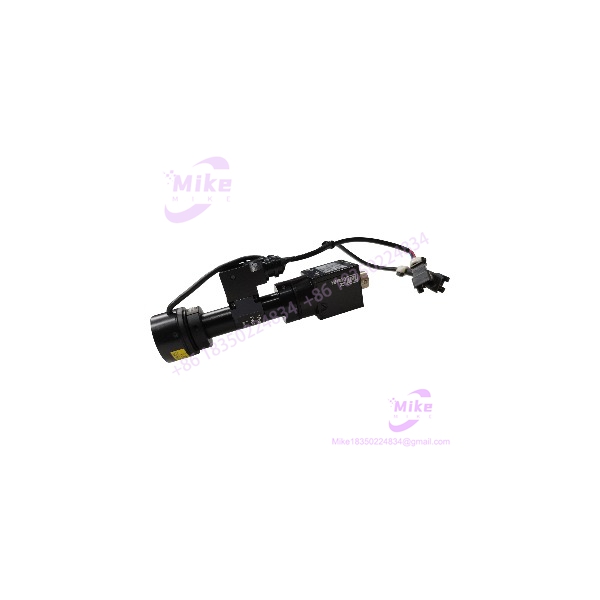
Description
CORRECT Vision FVL-2X-65D-CA-LED | Machine Vision Lighting
Dynamic Product Introduction
Lighting is often where a machine-vision system succeeds or fails. The camera may have sufficient resolution, yet inconsistent illumination can turn a repeatable inspection into a constant stream of false rejects. The FVL-2X-65D-CA-LED is identified in industrial listings as a CORRECT Vision dual-head LED lighting assembly intended to provide controlled illumination for automated visual inspection.
The “2X” configuration is particularly relevant to applications where lighting from opposing or complementary angles is required. Rather than relying on a single light source and accepting uncontrolled shadows, the dual-head arrangement can be positioned around the inspection area to improve surface visibility and reduce problematic reflections.
One important procurement warning: the exact FVL-2X-65D-CA-LED designation should not be confused with the very similar FVL-2X-65D-CA Seiwa Optical telecentric lens designation. Seiwa documents identify that separate product as a 2X, 65 mm working-distance coaxial telecentric lens. The added -LED suffix changes the identification question materially, so buyers should verify the physical nameplate and product photos before treating the two parts as interchangeable.
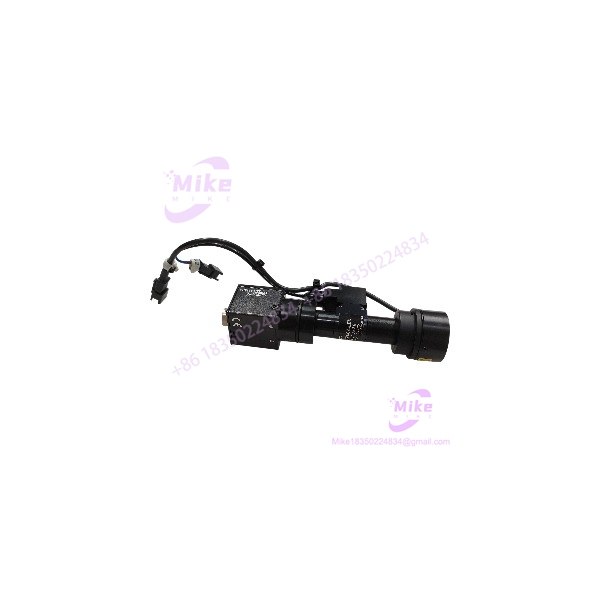
FVL-2X-65D-CA-LED
Key Technical Specifications
- Model: FVL-2X-65D-CA-LED
- Identified manufacturer: CORRECT Vision
- Product category: Industrial machine-vision LED lighting
- Configuration: Dual-head / 2X lighting arrangement
- Optical designation: 65D
- Illumination technology: LED
- Primary function: Controlled illumination for machine-vision inspection
- Typical inspection targets: Metal, plastic, electronic assemblies, labels, codes, and manufactured surfaces
- Application environment: Automated inspection and production-line vision systems
- Integration: Intended for use with industrial cameras and machine-vision optics
- Mechanical arrangement: Adjustable positioning is associated with the listed dual-head configuration
- Important verification point: Exact electrical input, connector pinout, LED current, optical dimensions, and mounting dimensions should be confirmed from the physical unit or OEM documentation before installation.
Some secondary listings publish conflicting specifications for this exact part number, including incompatible power, voltage, optical, and enclosure data. Those figures should not be mixed into a procurement specification without an original datasheet or verified nameplate. The safest approach is to treat the exact model suffix as the controlling identifier.
Global Sourcing & Live-Test SOP
For a machine-vision lighting component, “powers on” is only the first test. What matters in production is whether the illumination remains repeatable under the actual camera exposure and inspection geometry.
1. Inbound identification
Photograph the complete FVL-2X-65D-CA-LED label, housing, cable, connectors, optical surfaces, and mounting hardware. Record any serial number or revision marking.
2. Electrical verification
Before applying power, determine the actual input voltage and connector polarity from the applicable documentation or confirmed nameplate. Do not assume the voltage from another FVL-family listing.
3. Visual inspection
Check the LED window, diffuser, housing, cable jacket, connector strain relief, and mounting points. Look for scratches, contamination, impact damage, or evidence of overheating.
4. Illumination test
Energize the unit using the confirmed supply specification. Check both heads independently where the architecture permits it. Look for flicker, uneven brightness, dark sections, thermal instability, or intermittent cable connections.
5. Camera integration
Mount the light at the intended working position and capture a reference image. Record exposure, gain, working distance, angle, and lighting intensity. This creates a baseline for future replacement verification.
6. Production simulation
Run representative inspection parts through the vision system. Compare image uniformity, edge definition, reflective-surface behavior, and inspection repeatability against the existing approved light source.
7. Final preparation
Clean optical surfaces using an appropriate lint-free material, secure the cable and mounting hardware, and package the unit to prevent impact damage. Keep the test record with the spare.
Field Engineer’s Pitfall Guide
1. Do not confuse this part with the similarly named Seiwa telecentric lens.
This is the biggest identification risk. Seiwa’s FVL-2X-65D-CA is a 2X telecentric lens with a 65 mm working distance and C-mount interface. That is a fundamentally different component from an LED lighting assembly. The extra -LED suffix must be verified rather than ignored.
2. Do not specify the power supply from an online listing alone.
Conflicting secondary listings provide different voltage and wattage figures for FVL-2X-65D-CA-LED. Applying an assumed supply to an unverified vision light is an avoidable failure mode. Confirm the actual electrical marking before energizing the unit.
3. Do not evaluate replacement compatibility only by physical appearance.
Machine-vision lighting is part of the inspection recipe. Even when a replacement physically mounts in the same location, differences in illumination angle, intensity distribution, diffuser characteristics, or spectral output can change camera images enough to affect pass/fail decisions.
Intent-Driven FAQ
What is thion ?
Available industrial listings identify it as a dual-head LED machine-vision lighting assembly intended for controlled illumination in automated inspection applications.
Is a PLC or DCS module?
No. It is associated with machine-vision illumination rather than PLC, DCS, or conventional industrial I/O architecture.
What does “2X” indicate?
Available descriptions identify the configuration as a dual-head lighting arrangement. The two light sources can be positioned to provide complementary illumination and reduce shadows or unwanted reflections during inspection.
Is the sFVL-2X-65D-CA?
Do not assume so. Seiwa documents identify as a 2X coaxial telecentric lens with a 65 mm working distance. The -LED model appearing in automation listings is described as a lighting product. These should be treated as different products until the physical identification is confirmed.
What should I verify befosed ?
Verify the exact model suffix, manufacturer marking, connector type, cable condition, LED operation, mechanical mounting, optical surfaces, and actual electrical requirements. Request clear photographs of the nameplate and both sides of the assembly.
Can I use another LED light as a direct replacement?
Not without validating the inspection recipe. Light intensity, beam geometry, working distance, mounting position, and spectral characteristics can all affect machine-vision results.
What is the best way to test a replacement?
Use a known-good camera and representative production parts. Establish a reference image with the existing lighting, install the replacement under the same geometry, and compare image uniformity and inspection results before releasing it to production.





