

Description
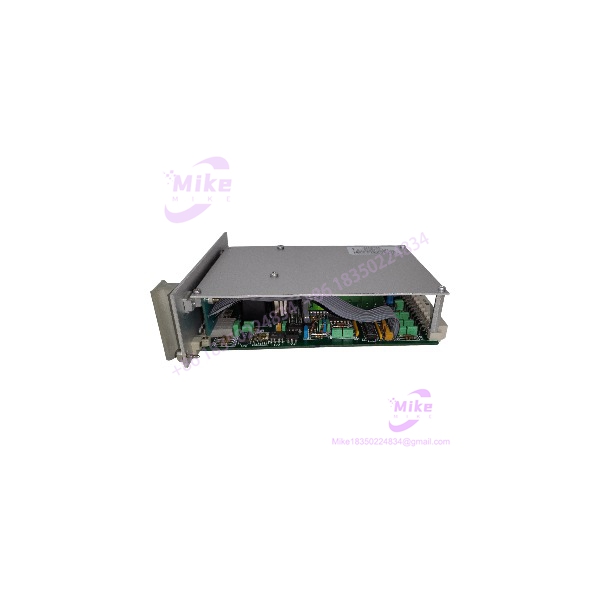
Atlas Copco PME-1802-A-CD2 | Tensor Power Focus Controller Board
Product Introduction
When a multi-spindle fastening station halts on an automotive assembly line because a torque controller board drops communication, critical bolt tightening stops instantly. The Atlas Copco PME-1802-A-CD2 is not a standard commercial circuit board; it is a specialized industrial control module engineered specifically to process precise torque and angle feedback from Tensor electric assembly tools. Trying to run high-precision joint tightening loops with failing control hardware leads to uncalibrated torque values, joint strip-outs, and safety-critical quality failures—making this exact processing board essential for maintaining plant production flow.
Operating inside industrial fastening enclosures and assembly skids requires robust signal processing and noise immunity. The PME-1802-A-CD2 translates high-frequency analog signals from inline transducer strain gauges into digital torque profiles while executing real-time shut-off algorithms. Integrated transient protection guards internal microprocessors against factory ground loops—though you will always want to verify cable shield ground integrity to prevent electromagnetic interference from distorting sensitive transducer readings.
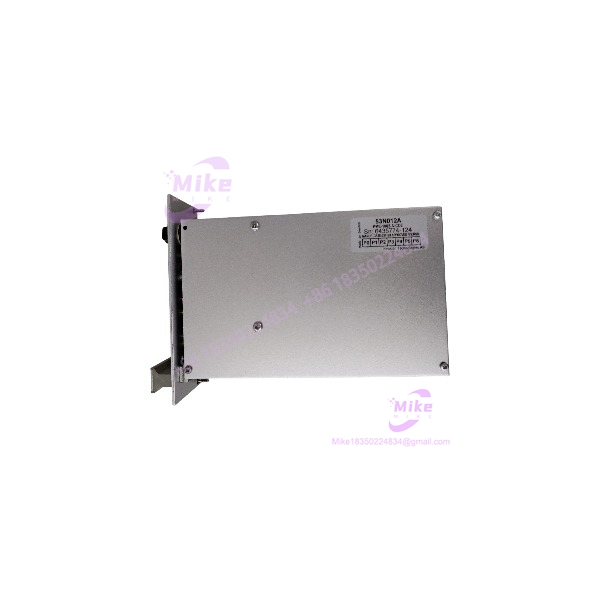
PME-1802-A-CD2
Key Technical Specifications
- System Architecture: Power Focus 3000 / 4000 series assembly controller architecture
- Application Tool Compatibility: Atlas Copco Tensor S, ST, and ET series electric nutrunners
- Processing Functionality: Real-time torque calculation, angle tracking, and joint shut-off logic
- Transducer Interface: Multi-channel strain gauge / resolver feedback processing
- Backplane Bus Interface: Internal Power Focus system bus header connection
- Power Inputs: Internal regulated DC supply drawn directly from the controller backplane
- Operating Temperature Range: 0°C to +50°C (32°F to 122°F)
- Storage Temperature Envelope: -20°C to +70°C (-4°F to +158°F)
- Relative Humidity Tolerance: 5% to 95% non-condensing operating environment
- Construction: Hardened multilayer PCB assembly with conformal coating for industrial oil/mist resistance
Application Scenarios & Pain Points
An automotive powertrain assembly plant in Indiana experienced chronic torque shutdown faults on their main engine head bolting station whenever older processing boards suffered thermal signal drift. Swapping out the degrading unit with a tested Atlas Copco PME-1802-A-CD2 restored tight torque measurement repeatability, eliminating false “NO-GO” joint rejections and recovering lost hourly engine output.
With vs. Without Dedicated Torque Processing Hardware:
- Without the PME-1802-A-CD2: Degraded control cards introduce signal noise into transducer feedback, causing incorrect torque shut-off, joint under-tightening, and costly manual rework.
- With the PME-1802-A-CD2: High-speed digital processing delivers microsecond response times, ensuring precise, repeatable torque and angle shut-off across thousands of continuous fastening cycles.
Automotive Chassis & Aerospace Fastening Lines:
- Condition: High-duty-cycle automated bolting operations running continuous multi-shift production.
- Impact: Electrical transients and cabinet heat cause processing lockups and corrupted tightening trace data.
- Solution: Deploying the conformal-coated PME-1802-A-CD2 guarantees stable execution and complete trace data retention under harsh plant conditions.
QA & Live Testing SOP (Trust Signal)
Every Atlas Copco PME-1802-A-CD2 module entering our facility undergoes an exhaustive, multi-point validation process. We begin with a full microscopic inspection of board traces, backplane pin headers, and surface-mount components to verify zero thermal stress, physical cracking, or flux residue. Next, the card is installed into a benchtop Power Focus controller rig—we verify bus power supply regulation and onboard voltage rails using a calibrated Fluke digital multimeter.
During live functional testing, we connect the setup to a calibrated Tensor electric nutrunner and run the assembly through hundreds of simulated torque joints on a joint simulator bench. We verify torque and angle curve reporting, transducer calibration reading accuracy, and communication bus stability across high speeds. Once cleared, the module is wiped clean, fitted with anti-static edge protection, and vacuum-sealed in heavy-duty ESD packaging with custom foam inserts.
Field Engineer’s Pitfall Guide
❗ GOTCHA #1: Transducer Cable Shielding & Ground Loops Do not route tool cables in close proximity to high-voltage AC motor lines or variable frequency drives. Electrical noise coupling onto unshielded transducer lines will corrupt the low-millivolt feedback going into the PME-1802-A-CD2, causing false torque spikes and premature tool shut-off.
❗ GOTCHA #2: Backplane Header Pin Alignment When sliding the PME-1802-A-CD2 into the controller slot, align the board edges carefully with the chassis guides. Applying force when off-center will bend or shear the high-density backplane pins, causing permanent open circuits across data lines.
❗ GOTCHA #3: Transducer Memory Auto-Calibration After installing a replacement PME-1802-A-CD2 board, always execute a tool calibration and zero-offset routine via the Power Focus menu. Failing to verify the transducer zero-point can cause a systematic torque offset across all configured tightening programs.
Intent-Driven FAQ
What is the primary function of the Atlas Copco PME-1802-A-CD2?
The PME-1802-A-CD2 is a internal processing card for Atlas Copco Power Focus assembly tool controllers, responsible for conditioning transducer signals, measuring torque/angle, and executing real-time tool shut-off algorithms.
Which tools work with this processing module?
This module is designed for use within the Atlas Copco Power Focus ecosystem, supporting handheld and fixture-mounted Tensor series electric nutrunners and tightening spindles.
Can I hot-swap this card while the Power Focus controller is turned on?
No. Always switch off main power to the Power Focus unit before installing or removing internal circuit boards. Inserting or pulling modules under power can cause electrical arcs across edge connectors, frying sensitive logic components.
What causes a “Transducer Error” or “Calibration Fault” on this card?
Transducer faults are typically caused by damaged tool cabling, loose connector pins, dirty tool inline plugs, or an uncalibrated strain gauge bridge. Check cable continuity before replacing the internal board.
What maintenance is recommended during plant retooling shutdowns?
During scheduled maintenance, blow out accumulated dust from the controller interior using dry compressed air, check board retention screw tightness, and re-verify tool calibration using a certified external torque analyzer.





