
Description
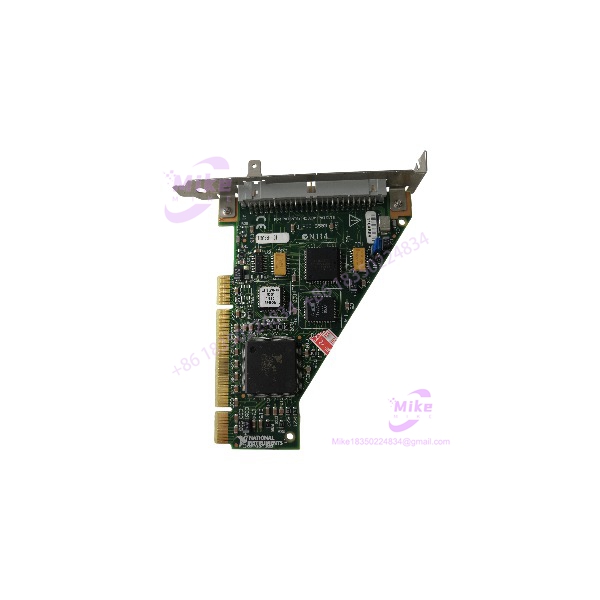
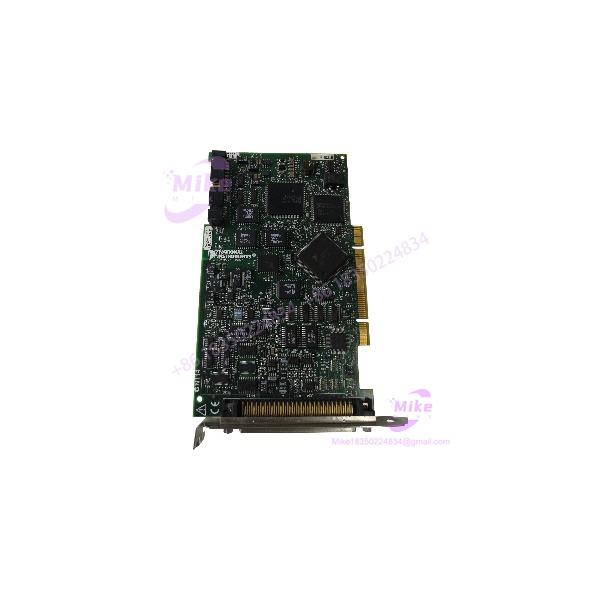
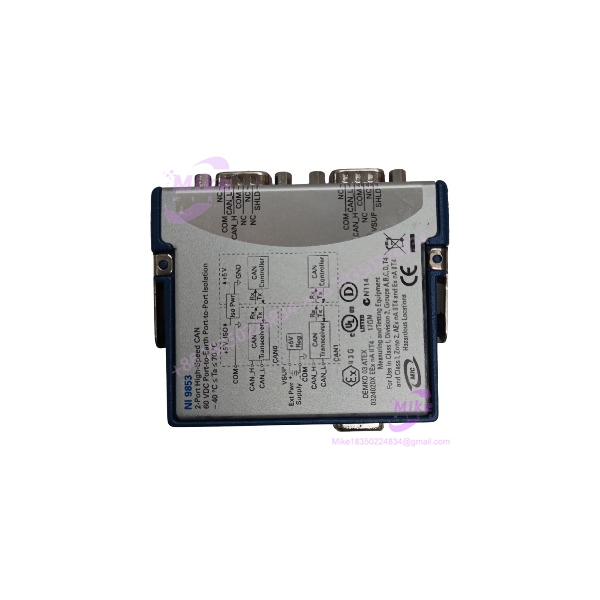
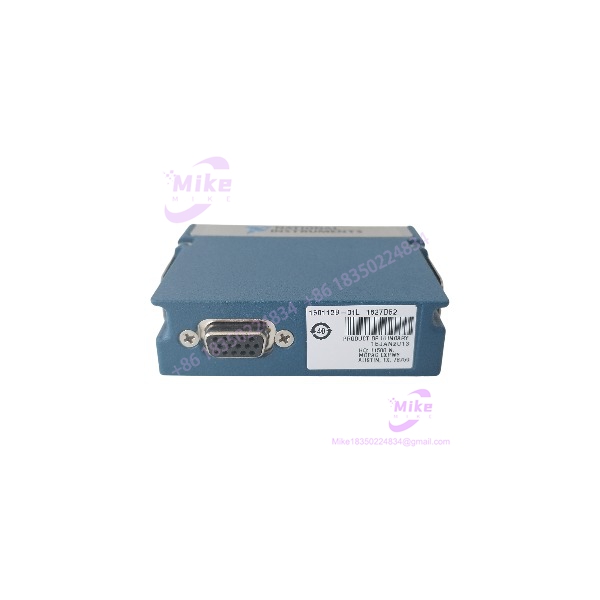
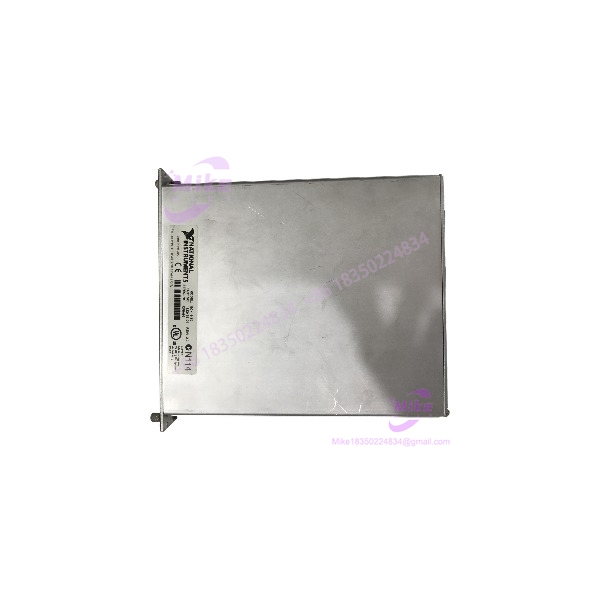
National Instruments SCXI-1162 | 32-Channel Digital Input Module
Dynamic Product Introduction
Industrial control floors are notorious for heavy electrical noise, ground loops, and high-voltage transients that can easily fry delicate data acquisition boards. When plant operators need to monitor dozens of digital signals without exposing their central PXI or PCI controllers to field surges, integrating the SCXI-1162 module into an existing instrument chassis offers a dependable safeguard. The SCXI-1162 operates as a 32-channel optical isolation barrier, translating high-voltage field switches and industrial sensors into clean, TTL-compatible logic signals.
By grouping high-density digital monitoring onto a single front-end board, maintenance teams can expand their system channel counts without eating up valuable slot space in tight enclosure racks. Each channel utilizes optocouplers to break direct electrical continuity between the messy field wiring and the internal measurement bus. Whether you are upgrading a legacy manufacturing line or dropping a replacement SCXI-1162 into an active diagnostic rig, maintaining exact firmware and hardware topology ensures uninterrupted uptime across your monitoring loops.
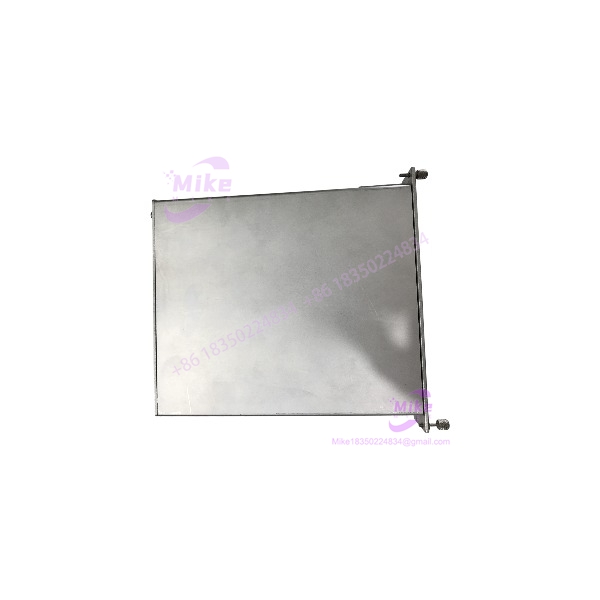
SCXI-1162
Key Technical Specifications
- Number of Input Channels: 32 digital input channels
- Input Voltage Range: Designed for 24 V industrial logic levels (with sinking/sourcing compatibility depending on wiring)
- Isolation Rating: Optical isolation channel-to-earth ground to prevent ground loops and high-voltage feedback
- Input Impedance: Engineered for standard industrial control load characteristics
- Response Time: Fast optical switching designed for status monitoring, limit switches, and binary event logging
- Bus Interface: Directly connects to standard SCXI chassis backplane communication buses
- Operating Temperature Range: 0 °C to 50 °C ambient
- System Compatibility: Fits standard SCXI chassis configurations (such as SCXI-1000 and SCXI-1001)
Global Sourcing & Live-Test SOP (Transparency Core)
To ensure that surplus or replacement SCXI-1125 and SCXI-1162 modules meet rigorous industrial standards, every hardware unit undergoes a strict multi-point verification process prior to shipping.
Inbound Verification
Incoming modules are cataloged by serial number, manufacturing date code, and PCB revision. Technicians perform an optical check under magnification, inspecting connector pins for bent contacts, checking the circuit board for solder micro-fractures, and verifying that optocoupler arrays show no signs of thermal stress.
Live Simulation
The module is slotted into a verified, powered SCXI test chassis. Technicians check the backplane handshake lines to confirm that the chassis controller correctly addresses and recognizes the SCXI-1162 across the internal bus.
Diagnostics & Burn-In
- Channel-by-Channel Logic Test: Automated test harnesses apply simulated 24 V switching states across all 32 digital inputs simultaneously to verify that every single optocoupler toggles correctly.
- Isolation Integrity Check: High-pot testing validates the optical isolation barrier between the field terminals and the backplane bus.
- Thermal Chamber Stress: The board undergoes a 24-hour heat run at elevated ambient temperatures to weed out premature semiconductor or capacitor failures.
Final Prep
After passing electrical benchmarks, the module is cleaned, cleared of old configuration flags, and packed in heavy-duty antistatic ESD shielding bags with fresh moisture-absorbing desiccant.
Field Engineer’s Pitfall Guide
❗ Common-Ground and Power Supply Mismatches: Wiring field sensors with independent, floating power supplies without tying common references together can lead to erratic bit states. —In field deployments, technicians often see flickering digital readings on the SCXI-1162 simply because the external 24 V supply ground isn’t properly referenced to the module’s common terminal, causing floating optical inputs.
❗ Terminal Block Wiring Errors: Using incorrect terminal blocks (such as mixing up general-purpose analog terminal blocks with digital blocks like the SCXI-1328) results in mismatched pin assignments. I’ve witnessed commissioning teams lose hours troubleshooting “dead channels” only to discover that the ribbon cable mapping routed digital signals to analog ground pins.
❗ Backplane Power Draw Overload: Packing an older SCXI chassis with high-density digital modules like the SCXI-1162 without calculating total current draw can cause internal power rails to sag. Always verify that your chassis power supply can handle the combined current requirements of all active relay and digital conditioning boards in the rack.
Intent-Driven FAQ
Q: Can I hot-swap the SCXI-1162 module while the system power is running?
A: No. Standard SCXI chassis architecture does not support live hot-swapping of modules. Always power down the chassis completely before inserting or removing the SCXI-1162 to avoid damaging backplane interface chips.
Q: Do I need a special terminal block to wire inputs to the SCXI-1162?
A: Yes. You must use a compatible digital terminal block (such as the SCXI-1328) equipped with the correct screw-terminal layouts to safely land your 32 field input lines and power connections.
Q: How does the SCXI-1162 protect my data acquisition board from high voltage spikes?
A: The SCXI-1162 uses onboard optocouplers for every input channel. This optical isolation barrier ensures that electricity never flows directly between the field wiring and your data acquisition board, protecting your controller from external surges.
Q: Where can I source replacement SCXI-1162 modules now that National Instruments has phased out the SCXI hardware line?
A: While factory-new units are no longer built by the OEM, fully refurbished, tested, and warranted SCXI-1162 modules are available through specialized industrial surplus and legacy hardware suppliers.
Q: Does the SCXI-1162 require separate software drivers?
A: Yes. The module is managed via the standard NI-DAQmx driver framework, allowing you to configure and read digital input tasks programmatically in software environments like LabVIEW or text-based languages.