Description
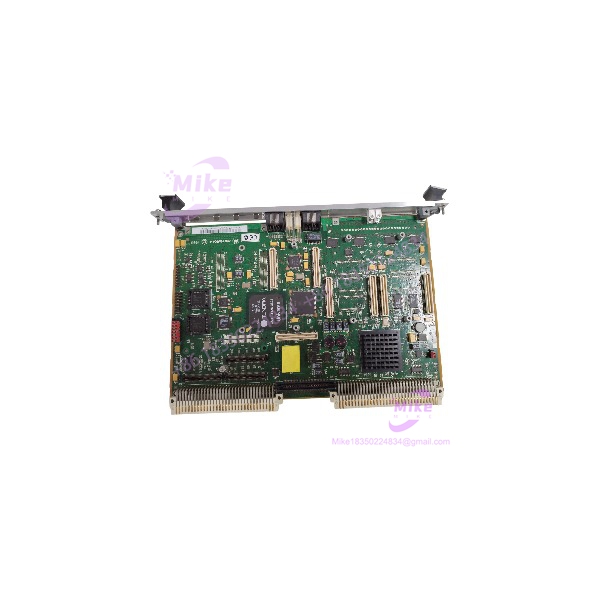
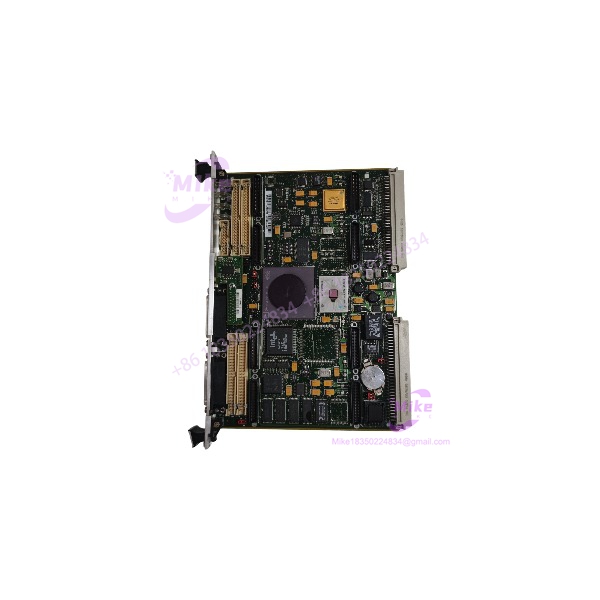
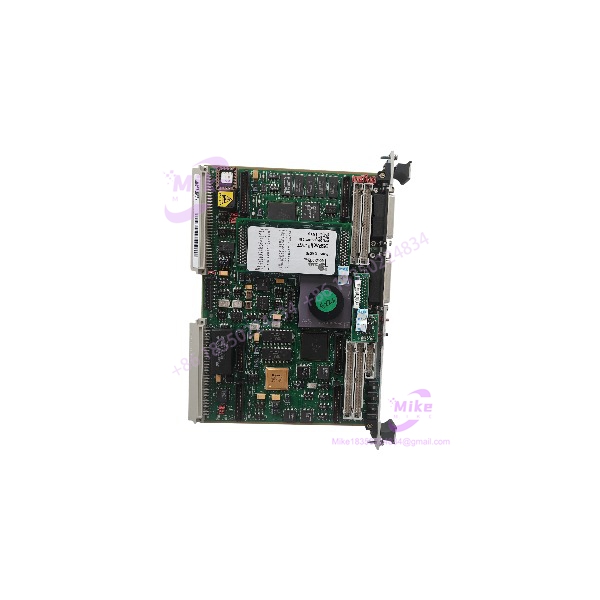
Motorola / Force CPCI-680 | PowerCore CompactPCI CPU Module
Dynamic Product Introduction
Mission-critical telecommunications, defense, and high-end industrial automation systems demand deterministic, high-throughput processing power packaged in modular formats. When legacy CompactPCI nodes experience hardware wear or require computational upgrades, integrating a verified Motorola / Force CPCI-680 Single Board Computer restores absolute performance and system stability.
Equipped with Force’s pioneering Sentinel universal PCI-to-PCI bridge technology, this versatile SBC can operate seamlessly as either a system controller or an intelligent peripheral card without manual hardware changes. Deploying a fresh CPCI-680 unit delivers robust PowerPC computing performance, flexible I/O expandability, and uncompromised uptime in demanding multi-computing environments.
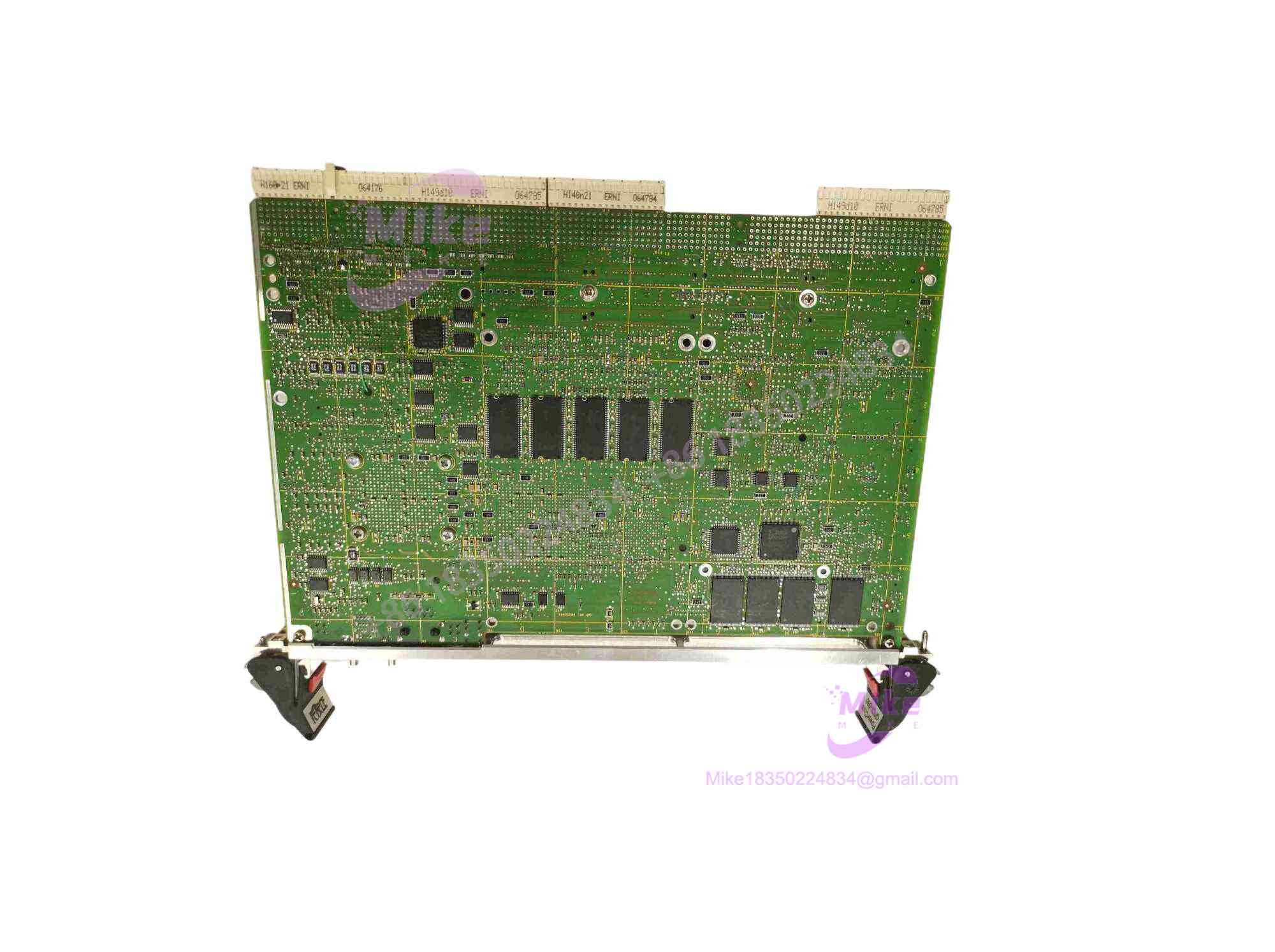
CPCI-680
Key Technical Specifications
| Core Parameter | Technical Specification |
| Product Model | CPCI-680 (PowerCore Series) |
| Manufacturer | Motorola / Force Computers (Emerson Embedded) |
| System Standard | 6U CompactPCI (cPCI) Architecture |
| Processor Core | PowerPC 750 or PowerPC G4 7400 (starting at 400 MHz+) |
| Main Memory | Up to 1 GByte high-speed SDRAM with ECC |
| Bus Bridge Technology | Sentinel “universal-mode” PCI-to-PCI bridge (PPB) |
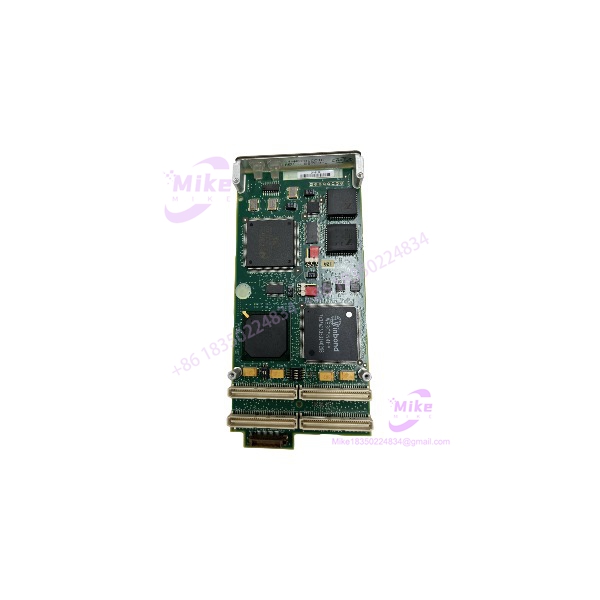
| Expansion Slots | Up to 2 PMC (IEEE P1386.1) slots with rear interfacing capability |
| On-Board Storage | CompactFlash Type II socket interface |
| Operating Temperature | 0°C to +55°C with forced air-cooling |
Global Sourcing & Live-Test SOP (Transparency Core)
Acquiring legacy or surplus industrial Single Board Computers through secondary markets requires an exhaustive verification workflow to guarantee board-level stability and signal integrity.
- Inbound Verification: Incoming CPCI-680 batches undergo high-magnification inspection of 64-pin/32-pin backplane connector pins, memory module sockets, and holographic laser traceability against factory distribution records.
- Live Simulation: Technicians seat the SBC into an active 6U CompactPCI test rack energized by stable DC rails to verify BIOS execution, boot-loader handshakes, and slot-role detection.
- Diagnostics: Engineers execute full-scale memory stress sweeps, onboard Ethernet/SCSI traffic tests, and run a 24-hour thermal soak chamber test under load.
- Final Prep: Hardware units receive comprehensive firmware revision logging, static-dissipative wrapping, and custom foam-lined vacuum sealing inside heavy-gauge moisture-barrier ESD shielding bags.
The Field Engineer’s Pitfall Guide
❗ Slot-Role Configuration Oversights: Although the Sentinel bridge automatically handles system controller versus peripheral slot switching, failing to verify backplane bus termination or geographical addressing pins can lead to bus arbitration failures.
❗ Memory Module Seating Issues: When upgrading or replacing ECC SDRAM modules on the CPCI-680, failing to seat the stackable memory cards securely can trigger intermittent parity errors or prevent proper boot initialization.
❗ Backplane Insertion Stress: Forcing the 6U card into an unaligned rack slot can bend fragile gold-plated backplane connector pins. Always ease the housing smoothly along the chassis guide rails before engaging the front injector/ejector latches.
Intent-Driven FAQ
Will swapping this module erase my operating system or boot configuration?
Operating system images, board support packages (BSPs), and bootloaders are typically flashed onto on-board boot devices or stored on removable CompactFlash media. Retaining your original storage media or flashing the correct image for your RTOS (such as VxWorks or Linux) is required for seamless operation.
Are these units original factory sealed or surplus stock?
Sourced inventory pools span both original factory-sealed packaging and fully certified, tested surplus hardware. Every unit undergoes rigorous bench validation prior to dispatch.
What operating systems are supported by this SBC?
The architecture is natively optimized for real-time operating systems (RTOSes) like VxWorks and LynxOS, as well as embedded open-source Linux configurations.
Can this board operate in either a system slot or a peripheral slot?
Yes. Thanks to Force’s Sentinel universal PCI bridge technology, the board dynamically adapts to function as either a system controller or an intelligent peripheral card without hardware modifications.
What kind of warranty accompanies a replacement CPU module?
All supplied units carry a comprehensive 1-year operational warranty covering internal component health, memory bus stability, and communication port integrity.
Are you deploying this processor card into an active telecom or industrial rack enclosure, or utilizing it as a hot-spare replacement for an existing system?