Description
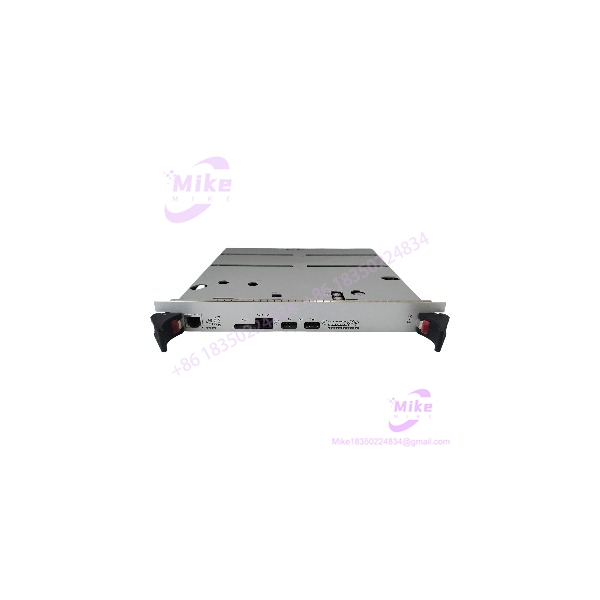
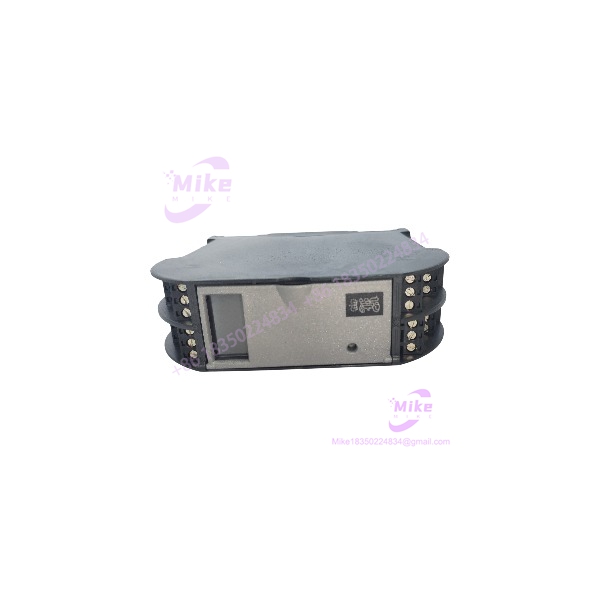
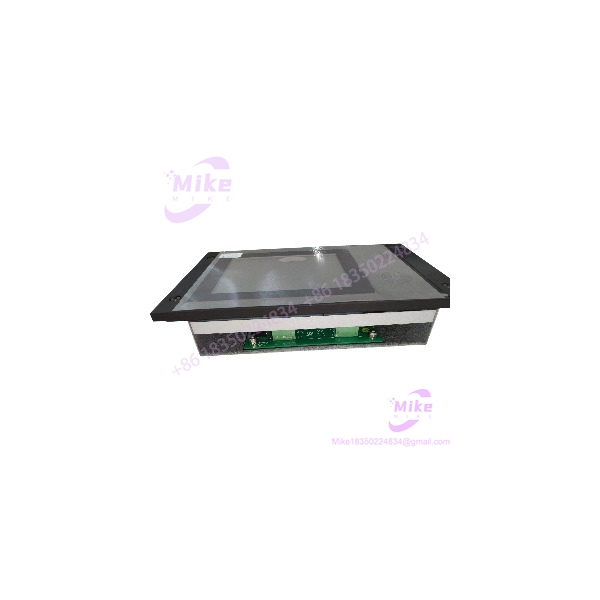
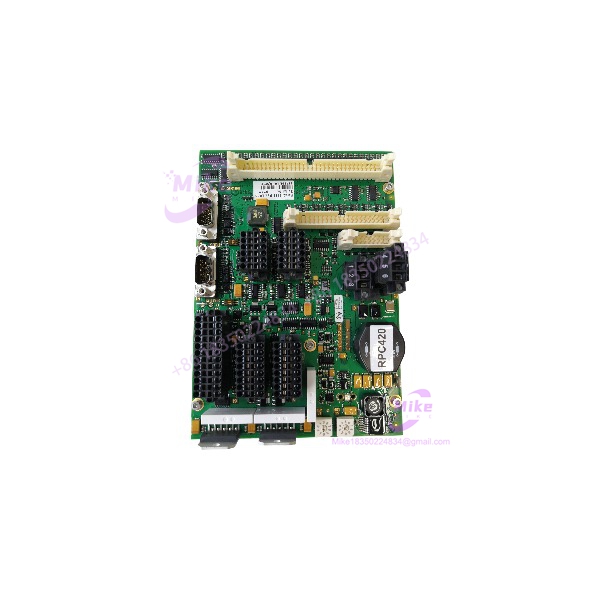
KONGSBERG RPC420 317114 | Remote Processing Controller | In-Stock
Dynamic Product Introduction
High-density vessel automation architectures demand edge processing components capable of running localized control loops without introducing bus latency. The KONGSBERG RPC420 317114 provides high-capacity signal aggregation designed specifically for vessel control backplanes. Deploying a fully load-tested KONGSBERG RPC420 317114 prevents node dropouts, ensuring that critical telemetry from thrusters, sensors, and power distribution systems reaches central processors without packet loss.
Built to withstand severe maritime operational stress, the KONGSBERG RPC420 317114 features a ruggedized chassis and conformal-coated electronics designed to resist salt air, high thermal cycles, and continuous hull vibration. Its redundant power architecture guarantees uninterrupted processing even if a primary auxiliary power rail drops out. For marine electrical engineers executing vessel dry-dock overhauls or emergency replacements at sea, this unit delivers a drop-in replacement path matching strict classification society standards.
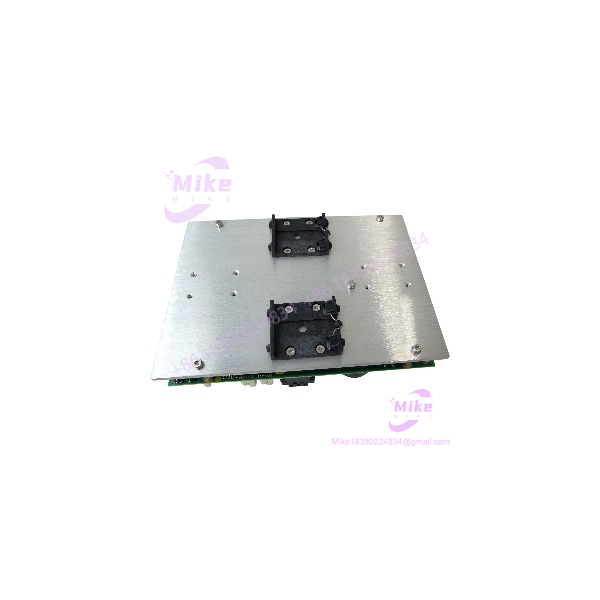
RPC420
Key Technical Specifications
- Model Identification: KONGSBERG RPC420 (Part Number: 317114)
- Module Type: Remote Processing Controller / High-Density Processing Node
- Operating Voltage: Dual 24 V DC inputs (18 V DC to 32 V DC operational range)
- Current Consumption: Nominal 480 mA at 24 V DC
- Isolation Level: 1500 V RMS channel-to-bus galvanic isolation
- Operating Temperature: -15°C to +70°C (5°F to 158°F)
- Enclosure Rating: IP20 DIN-rail or baseplate chassis mounting
- Communication Protocols: Kongsberg Proprietary High-Speed Serial Ring / Fieldbus Interface
Global Sourcing & Live-Test SOP (Transparency Core)
To ensure zero-defect deployments aboard active commercial vessels, every unit undergoes a strict multi-stage physical and electrical testing protocol prior to dispatch:
- Inbound Verification: Part number 317114 and serial numbers are cross-referenced against OEM trace databases, structural integrity of terminal connectors is inspected, and conformal coating quality is checked under UV light.
- Live Simulation: The module is installed inside an authentic Kongsberg test chassis to verify protocol initialization and real-time controller polling handshakes.
- Diagnostics: Multi-channel loopback tests are conducted while injecting continuous high-frequency noise to confirm signal filtering and processing stability across all fieldbus ports.
- Environmental Thermal Burn-In: The unit undergoes a 24-hour continuous burn-in cycle at 55°C inside an environmental chamber while carrying active bus loads.
- Final Prep: Onboard hardware revisions are logged, edge connector pins receive protective anti-corrosion treatments, and the unit is sealed inside static-shielded moisture-barrier packaging.
The Field Engineer’s Pitfall Guide
Marine Power Rail & Earthing Hazard
Ensure both primary and secondary 24 V DC supply feeds originate from properly isolated, grounded marine power supplies to prevent ground loops across the fieldbus shield plane.
❗ Node Address & Rotary Switch Misconfiguration: Swapping the KONGSBERG RPC420 317114 without mirroring the original module’s physical DIP switch settings or software node ID prevents central processor recognition. Always document DIP switch positions prior to removing the legacy module from the rack baseplate.
❗ Improper Backplane Seating: Uneven mechanical pressure during installation can bend backplane interface connector pins inside the mounting socket. —In field deployments, I’ve seen a vessel commissioning delayed by two full days because a technician jammed a controller module into a crowded rack, shorting a power pin across the communication bus.
❗ Vibration-Induced Terminal Block Loosening: High-vibration locations near main engine rooms cause screw terminals to back out over time. Always verify terminal screw torque or utilize spring-clamp connectors to prevent signal dropouts during sea trials.
Intent-Driven FAQ
What is the distinction between the KONGSBERG RPC420 317114 and standard RMP-series units?
The KONGSBERG RPC420 317114 integrates expanded local controller processing capabilities and memory arrays designed for handling high-level control routines, whereas standard RMP-series units function primarily as localized remote I/O interface nodes.
Will swapping out the KONGSBERG RPC420 317114 affect running dynamic positioning loops?
Replacing a live controller module should only be performed while the vessel is in a safe operational state or when redundant control paths are verified active. Always transfer control to secondary systems prior to unseating power or bus cables.
How do I confirm power rail redundancy is operating on the module?
Check the front-panel status LEDs. The KONGSBERG RPC420 317114 features dedicated status indicators for both primary and secondary 24 V DC inputs (Verification: Both PWR 1 and PWR 2 LEDs illuminate solid green during normal dual-rail operation).
Does this module require manual software flashing before installation?
In most standard replacement scenarios, the KONGSBERG RPC420 317114 functions as a node whose operating parameters and logic files are automatically configured by the central processor upon bootup, provided the physical node address matches the system configuration map.
What standard warranty applies to reconditioned or factory-sealed surplus units?
All reconditioned and factory-sealed units include a comprehensive 1-year replacement warranty covering internal processor stability, power circuit integrity, and bus communication performance.