

Description
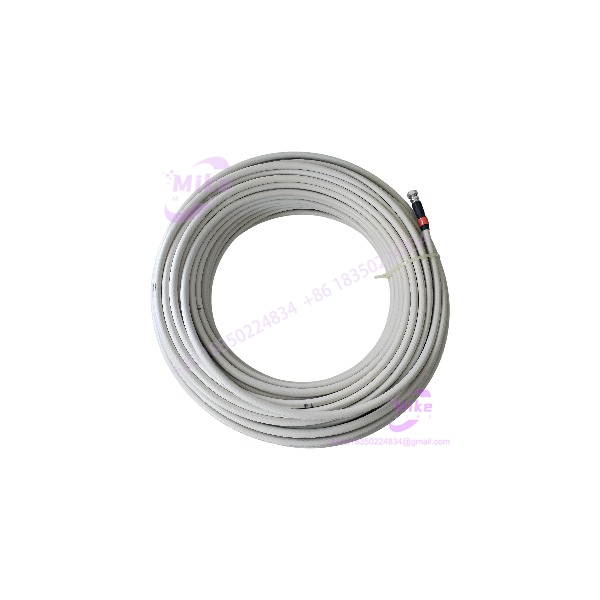
Honeywell MU-NKT050 51195199-050 | Nodecard / Network Interface Module
Architect’s Product Breakdown
The Honeywell MU-NKT050 (identified by part number 51195199-050) functions as a specialized network and node communication module engineered to integrate distributed controller nodes and operator interfaces within legacy Honeywell TDC 3000 and early Experion PKS environments. This unit handles high-speed data transmission across proprietary control networks, translating internal bus protocols and managing error-checked packet delivery between the process manager and peripheral hardware.
Deploying this hardware model within an existing control room or marshalling enclosure requires rigorous verification of system grounding, cable shielding, and network terminator placement. Because distributed control networks operate in high-density electrical environments, failing to terminate communication shields properly or exceeding cable segment lengths will introduce electromagnetic interference that corrupts node-to-node data loops. System integrators must also verify firmware revision compatibility between the interface unit and the host node to prevent communication dropouts during active process control cycles.
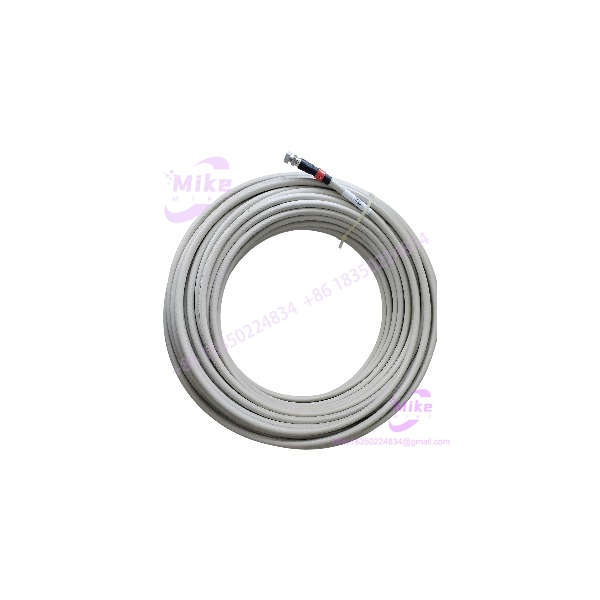
MU-NKT050 51195199-050
Key Technical Specifications
| Parameter | Specification |
| Manufacturer | Honeywell |
| Model Designation | MU-NKT050 |
| Part Number | 51195199-050 |
| System Compatibility | Honeywell TDC 3000 / Experion PKS Infrastructure |
| Power Requirements | Derived from system bus / cabinet power distribution |
| Communication Interface | Proprietary high-speed DCS network bus |
| Mounting Configuration | Chassis / Rack Mount |
| Ambient Operating Temperature | 0°C to 50°C |
| Enclosure Rating | IP20 Open-style industrial module |
Field Engineer’s Pitfall Guide
- WARNING: Firmware Revision Mismatch. Never hot-swap this module with a surplus unit of an unverified firmware revision without checking system builder compatibility tables. I once watched a commissioning crew bring down an entire controller node cluster because an older hardware revision failed to handshake with an updated supervisor module.
- WARNING: Ground Loop Induction. Ensure that all drain wires and braided shields associated with the network cabling are terminated exclusively at the designated cabinet earth bar. Floating shields will pick up variable frequency drive (VFD) noise and cause intermittent packet errors.
- WARNING: Edge Connector Oxidation. Exercise care when seating or unseating the module from its backplane slot; forcing a tilted board will bend fragile gold pins and ruin continuity across the communication bus.
QA & Testing SOP
- Visual & Origin Verification: Inspect the printed circuit board for component stress, verify factory laser markings and part number tags (51195199-050), and ensure gold edge fingers are unblemished.
- Bus Power-Rail Continuity Check: Perform resistance checks across power input terminals to confirm zero short circuits before mounting the unit onto a live chassis.
- Bench Power-Up Test: Seat the module onto a test bench backplane powered by a regulated DC supply to verify stable logic power distribution and status LED indicators.
- Communication Handshake Verification: Connect a test rig or diagnostic terminal to validate network communication pass-through and verify proper response to polling commands.
- Packaging: Enclose in heavy-duty anti-static shielding material and pack with dense anti-static foam inside a rigid shipping container.
Technical FAQ
Can this network module be hot-swapped while the control cabinet is energized?
Hot-swapping is generally not recommended for legacy TDC 3000 hardware components unless explicit plant live-maintenance procedures and system redundancies are active.
What is the exact relationship between model MU-NKT050 and part number 51195199-050?
MU-NKT050 is the descriptive model identifier used in engineering documentation, while 51195199-050 is the definitive Honeywell manufacturing part number for inventory and procurement tracking.
Does this interface require field calibration or software configuration?
No internal calibration is required; configuration is handled primarily at the system node and network builder level rather than through onboard jumpers.
What causes intermittent loss of node communication?
Intermittent faults typically stem from degraded backplane connections, loose shield terminations, or electromagnetic interference bleeding into unshielded communication lines.





