

Description
GE IS420ESWBH2A | 16-Port Mark VIe IONet Switch
Product Introduction
A network switch inside a turbine control cabinet is not an interchangeable office-network accessory. In a GE Mark VIe installation, the IONet switch is part of the control-system communications infrastructure, and using an unapproved substitute can interfere with I/O communications.
The GE IS420ESWBH2A is an ESWB-format industrial IONet switch designed for Mark VIe and Mark VIeS applications. Its defining configuration is 16 copper Ethernet ports plus two 100Base-FX multimode fiber ports with LC connectors. The fiber interfaces can support connections between network segments or cabinets where the specified control-system design calls for optical links.
The switch supports redundant DC power inputs and is designed for industrial temperature conditions. For replacement procurement, verify the full catalog number, fiber type, installed network topology, and mounting arrangement before treating a surplus unit as a direct replacement. GE’s Mark VIe documentation identifies the ESWB family and its port configurations.
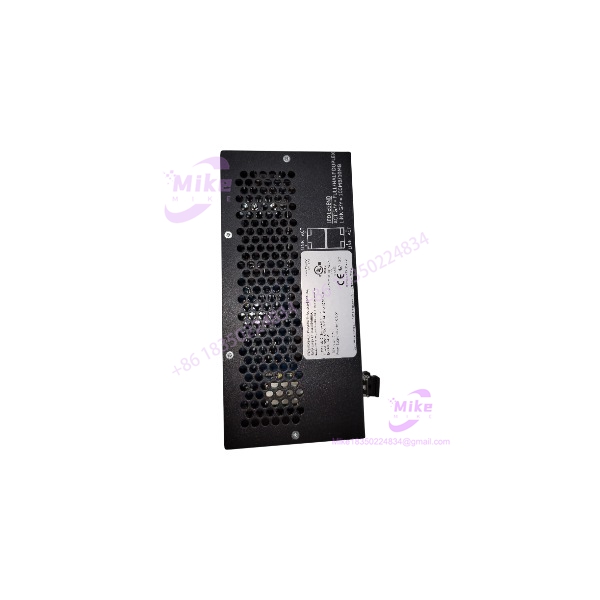
IS420ESWBH2A
Key Technical Specifications
- Manufacturer: General Electric
- Part Number: IS420ESWBH2A
- Functional Abbreviation: ESWB
- System Compatibility: GE Mark VIe / Mark VIeS control systems, subject to application configuration
- Switch Type: Industrial unmanaged Ethernet / IONet switch
- Copper Ethernet: 16 × 10/100Base-TX RJ45 ports
- Fiber Ethernet: 2 × 100Base-FX multimode fiber ports
- Fiber Connector: LC type
- Ethernet Standards: IEEE 802.3, 802.3u, and 802.3x
- Copper Port Features: Auto-negotiation, full/half-duplex auto-negotiation, and HP-MDIX auto-sensing
- Power Input: 24/28 VDC
- Maximum Current Rating: 1 A
- Power Inputs: Two independent DC inputs with diode-OR redundancy
- Operating Temperature: -40°C to +70°C
- Storage Temperature: -40°C to +85°C
- Cooling Method: Convection
- Mounting: DIN rail with a GE-qualified mounting clip; clip selection depends on mounting orientation
- Copper Cabling: Cat 5e UTP with RJ45 connectors
- Environmental Compliance: G3 compliant
- Hazardous-Location Use: Confirm the applicable GE HazLoc guide and system installation requirements
Specifications are based primarily on GE’s Mark VIeS system documentation. Confirm the nameplate and applicable hardware documentation for the specific unit being purchased.
Global Sourcing & Live-Test SOP
For a used or surplus GE IS420ESWBH2A, a basic power-on check is not enough to establish suitability for a turbine-control network. The inspection should verify the physical interfaces, power inputs, and network behavior without disturbing a live control system.
1. Inbound Verification
- Photograph the complete nameplate and verify IS420ESWBH2A.
- Inspect the enclosure, mounting points, port housings, and terminal connectors.
- Confirm the presence and condition of all 16 copper ports.
- Confirm the two multimode fiber ports and LC connector interfaces.
- Check for damaged or contaminated fiber receptacles.
- Record the serial number, hardware revision, and any visible repair history.
- Verify whether the DIN-rail mounting clip is included; do not assume it is supplied with a surplus switch.
- Record the seller’s condition designation separately from the actual inspection results.
2. Controlled Power-Up
- Use a current-limited 24/28 VDC supply within the documented input requirements.
- Verify polarity and terminal assignments against the applicable GE documentation.
- Inspect both DC input connections before energizing.
- Check the power-status indicator and confirm stable startup.
- Monitor current draw and investigate abnormal heating, resets, or unstable power indication.
- Do not assume that a single-input bench test proves the redundant power arrangement is functioning correctly.
3. Ethernet and Fiber Diagnostics
- Inspect RJ45 ports for mechanical damage and poor contact retention.
- Test copper link establishment using compatible 10/100Base-TX equipment.
- Verify link/activity indications across the available copper ports.
- Use compatible 100Base-FX multimode fiber test equipment for the optical interfaces.
- Confirm the required fiber type and LC connection arrangement before connecting the switch to installed plant cabling.
- Record link status and any intermittent port behavior.
Important: A standalone bench test can verify basic switching behavior, but it does not prove compatibility with a specific Mark VIe IONet configuration.
4. Extended Heat Run
For units sold as tested, perform an extended powered run under controlled conditions, preferably with representative copper and fiber traffic.
Monitor:
- Power stability
- Link and activity indicators
- Unexpected resets
- Port intermittency
- Abnormal housing temperature
- Fiber-link stability
Record test duration, supply voltage, connected interfaces, observed faults, and test equipment. Do not advertise a 24-hour heat run unless it was actually completed and documented.
5. Final Preparation and Shipment
- Record the exact catalog number and serial number.
- Photograph the front, rear, connectors, and mounting hardware.
- Preserve any included GE documentation and configuration records.
- Protect RJ45 and fiber interfaces from impact and contamination.
- Use ESD-safe packaging and suitable cushioning.
- Clearly disclose whether the DIN-rail clip, power connectors, or other accessories are included.
- Do not represent a bench-tested switch as validated for a customer’s live IONet without system-level testing.
Field Engineer’s Pitfall Guide
❗ Do not substitute a commercial Ethernet switch
GE identifies its ESWA and ESWB switches as industrial IONet devices intended for Mark VIe and Mark VIeS control-system networks. An ordinary Ethernet switch should not be assumed suitable for this application. Follow the approved network design and GE documentation.
❗ Confirm the fiber suffix before ordering
The IS420ESWBH2A has two 100Base-FX multimode fiber ports. Other ESWB suffixes may have no fiber ports, one fiber port, or a different optical interface. Similar-looking units are not necessarily equivalent.
❗ Redundant power capability does not prove system redundancy
The switch has two diode-OR’d DC power inputs, but actual network and power redundancy depend on the plant’s wiring and control-system architecture. Verify both supply paths and the installed topology; do not infer full system redundancy from the switch specification alone.
Intent-Driven FAQ
What is the GE used for?
The is an industrial unmanaged Ethernet/IONet switch used in GE Mark VIe and Mark VIeS control-system networks. It provides copper and fiber Ethernet connectivity for supported control-system architectures.
How many ports does the have?
It has 16 10/100Base-TX copper RJ45 ports and two 100Base-FX multimode fiber ports with LC connectors.
Is the a managed Ethernet switch?
No. GE documentation describes the ESWA and ESWB families as unmanaged industrial Ethernet switches. Do not assume managed-switch features such as VLAN configuration or SNMP management unless independently confirmed for the exact equipment.
What power supply does the require?
GE documentation specifies 24/28 VDC, with a maximum current rating of 1 A. Two independent DC inputs are provided for diode-OR power redundancy. Confirm terminal assignments and the installation requirements before energizing the unit.
Can the replace another ESWB switch?
Not automatically. Compare the complete part number, copper and fiber port configuration, optical fiber type, mounting arrangement, and approved system design. A different ESWB suffix may have a different fiber configuration.
Is the DIN-rail mountable?
Yes. The ESWB switch is designed for DIN-rail mounting, but the GE-qualified mounting clip is a separate item and must match the selected mounting orientation. Confirm whether the clip is included with the unit.
What should I verify before buying a used ?
Request clear nameplate photos, confirm the exact model and serial number, inspect all copper and fiber ports, verify the included power connectors and mounting clip, and ask for documented test results. For a live Mark VIe installation, confirm compatibility with the existing IONet design before commissioning.
Bottom Line for Buyers
The is a Mark VIe/Mark VIeS industrial IONet switch with 16 copper Ethernet ports, two multimode fiber interfaces, and redundant 24/28 VDC power inputs. Its replacement value depends on matching the exact port configuration and the approved control-network architecture.
For procurement, specify in full. Request actual photos of the nameplate, fiber interfaces, power terminals, and mounting hardware. A unit that powers up on a bench should not be treated as system-ready until its network compatibility and operating condition have been verified.





