


Description
Eaton E111A12X3N | Electro-Mechanical Contactor, In Stock
Architect’s Product Breakdown
The Eaton (Cutler-Hammer) E111A12X3N operates as a rugged electro-mechanical contactor engineered for heavy-duty industrial motor control and power distribution architectures. Its primary purpose is to safely establish and interrupt high-current electrical power circuits feeding motors, transformers, and heating loads. It relies on a dependable electromagnetic coil mechanism (rated at 24V) to actuate heavy-duty silver-alloy power contacts within a compact, enclosed industrial housing.
Because this contactor belongs to an established legacy product family, matching the exact part number string (E111A12X3N) is critical during routine maintenance or emergency replacement cycles. Swapping out a contactor requires verifying main power voltage ratings, auxiliary contact complements, and control circuit coil voltages to prevent contact chattering, thermal overload, or premature coil burn-out.
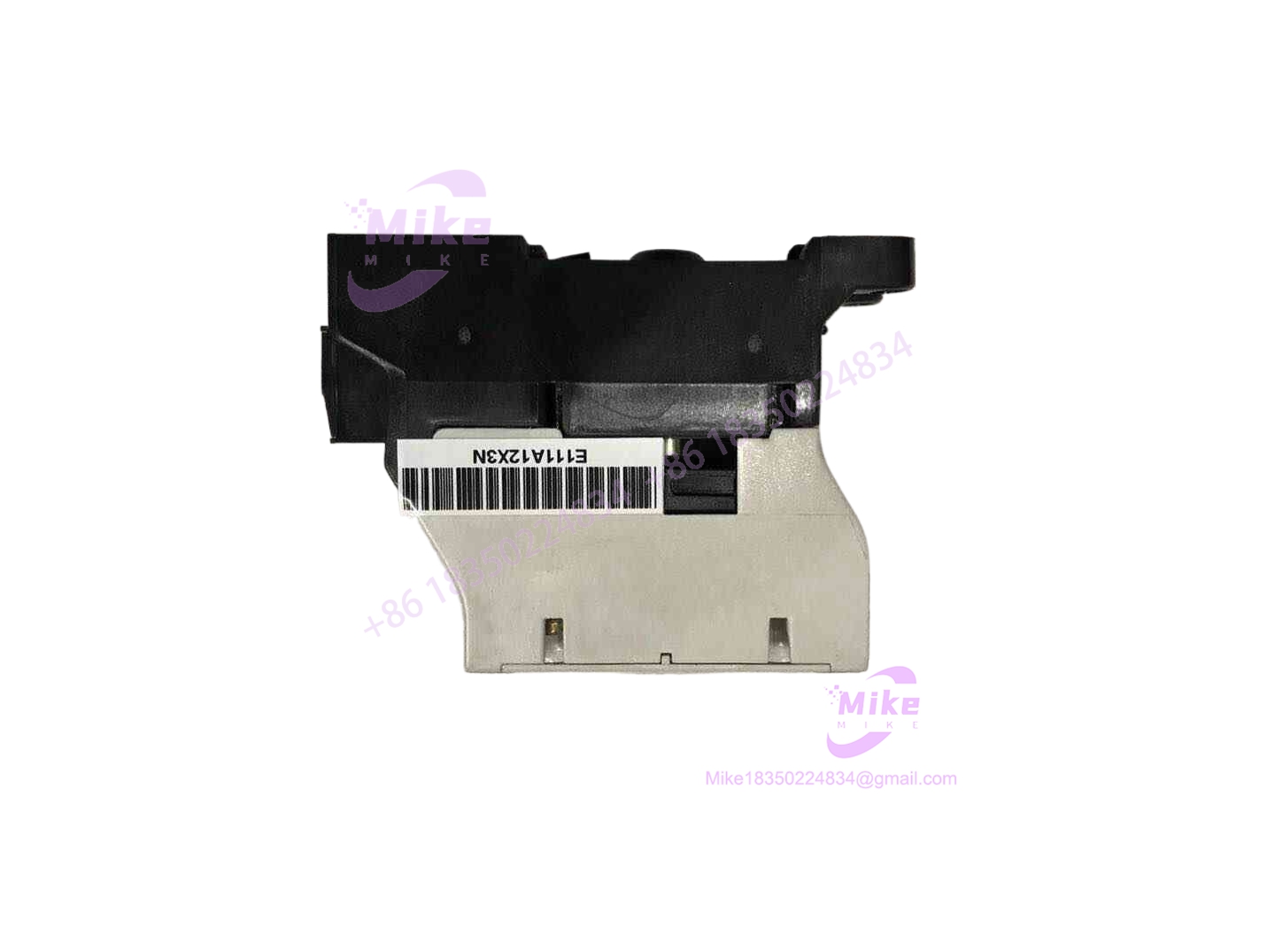
E111A12X3N
Key Technical Specifications
| Parameter | Specification |
| Series | Eaton / Cutler-Hammer E111 Power Control Line |
| Model / Part Number | E111A12X3N (UPC: 782113897011) |
| Coil Voltage | 24V control circuit coil rating |
| Operating Temperature | -40°C to +65°C operational range |
| Device Type | Electro-mechanical power contactor / motor control switch |
| Certifications & Standards | UL Listed, CSA Certified, CE Marked, EMC IEC, ISO 9002 |
| Physical Dimensions | Approx. 5.63″ L × 5.13″ W × 4″ H |
| Weight | ~0.77 lbs (~0.35 kg) |
Field Engineer’s Pitfall Guide
- WARNING: Hazardous Main Line Voltage. Always lock out and tag out (LOTO) all upstream power feeds before servicing or wiring the contactor; touching live power terminals will cause severe electrical shock or arc flash.
- WARNING: Incorrect Control Coil Voltage. Supplying an incorrect voltage (such as 120V AC instead of a 24V DC/AC control signal) to the coil will immediately destroy the internal windings.
- WARNING: Loose Terminal Connections. Failing to torque main power terminal screws to manufacturer specifications under heavy motor loads will cause excessive contact resistance, localized overheating, and terminal melting.
- Field Anecdote: I remember an industrial conveyor line experiencing intermittent motor dropouts because a replacement contactor was installed with slightly loose wire terminations, causing micro-arcing and voltage drop across the main power poles under heavy load.
QA & Testing SOP
- Visual & Origin Verification: Inspect the molded housing, arc chutes, and terminal screw threads for structural cracks, carbon tracking, or thermal discoloration, and verify original Eaton nameplate data.
- Live Test Bench Environment: Mount the contactor securely onto a test panel equipped with isolated main power feeds and a regulated 24V control circuit power supply.
- Electrical & Continuity Testing: Measure coil resistance across control terminals, verify simultaneous mechanical pull-in across all main poles, and check closed-contact electrical continuity.
- Anti-Static & Secure Packaging: Enclose the unit in protective wrapping and heavy structural cushioning to prevent impact damage to terminal studs and auxiliary blocks during transit.
Technical FAQ
Can the E111A12X3N be used for both resistive and inductive motor loads?
Yes. Electro-mechanical contactors in this class are engineered to handle the high inrush currents typical of inductive motor loads as well as standard resistive heating loads.
What causes an industrial contactor coil to hum excessively or burn out?
Excessive humming is typically caused by low control voltage, debris or rust on the magnetic core pole faces preventing a tight seal, or a continuous over-voltage condition overheating the coil.
Does this contactor include built-in auxiliary contacts?
Auxiliary contact configurations depend on the exact factory suffix build; always inspect the side-mounted or top-mounted auxiliary blocks to ensure feedback signal requirements are met during replacement.
Is this exact model still actively produced by Eaton?
Many legacy E111 variants are classified as obsolete or discontinued, making verified new-surplus inventory the ideal path for direct drop-in replacements.





