Description
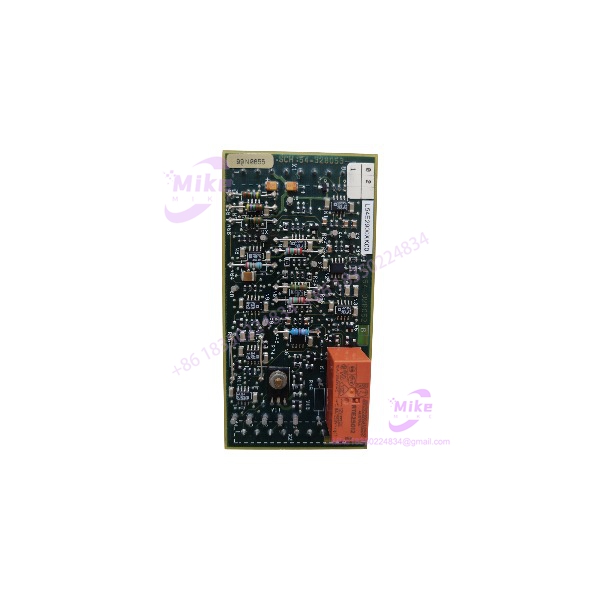
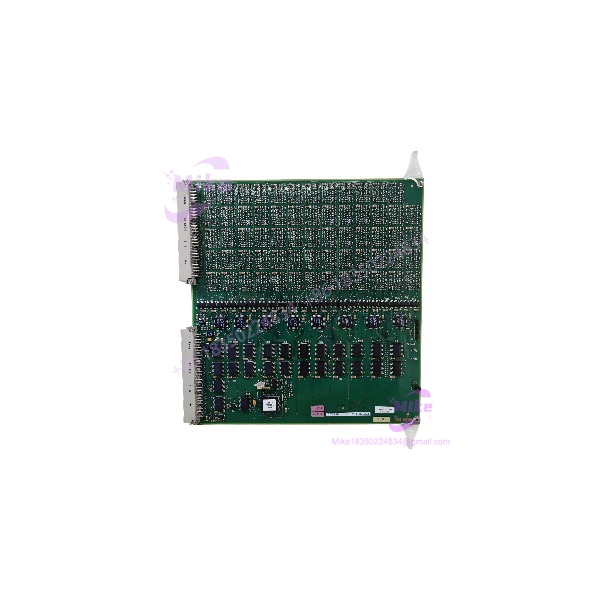
ALSTOM EP3-E-4-A | EPIC III ESP Controller
Product Introduction
A precipitator control system does not tolerate casual substitutions. The ALSTOM EP3-E-4-A belongs to the EPIC III control architecture and is used for electrostatic precipitator applications where the controller must coordinate electrical operating conditions with the behavior of the collection process. Available technical references consistently identify the EP3-E-4-A as an EPIC III controller associated with ESP systems.
That makes the EP3-E-4-A primarily a process-specific controller, not simply a spare circuit board that can be replaced by another processor with similar electrical characteristics. In a legacy ESP installation, maintaining the correct controller revision and hardware configuration can be far more practical than redesigning the complete control interface.
The engineering value is straightforward: preserve the existing control architecture, wiring philosophy, field feedback arrangement, and commissioning parameters wherever the original system remains serviceable.
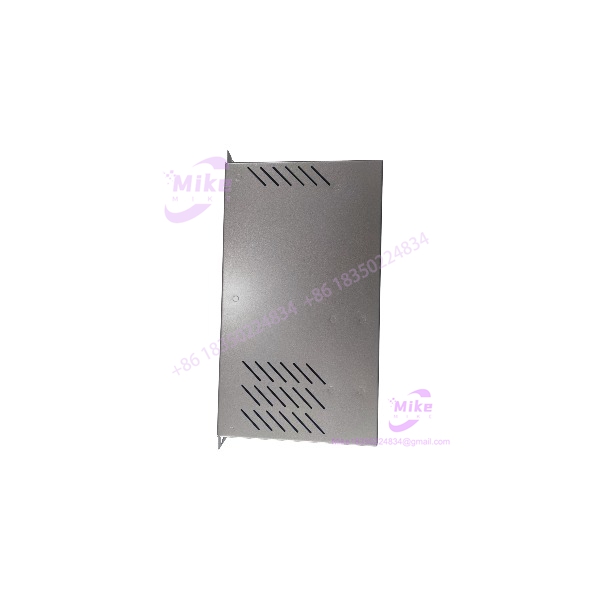
EP3-E-4-A
Key Technical Specifications
- Manufacturer: ALSTOM
- Model: EP3-E-4-A
- Series: EPIC III
- Controller Type: Microprocessor-based controller
- Primary Application: Electrostatic precipitator control
- Process: Industrial particulate/emissions collection
- Control Environment: ESP transformer-rectifier and collection-field systems
- Control Function: Monitoring and regulation of precipitator operating conditions
- Architecture: Dedicated EPIC III control hardware
- Status: Legacy/field-service replacement component
- Replacement Requirement: Exact model and hardware configuration should be matched before installation
- Documentation Requirement: Confirm installed system revision and field wiring before commissioning
Specification caution: Some secondary listings publish detailed figures for supply voltage, serial interfaces, operating temperature, dimensions, and communications. Those figures are not sufficiently corroborated to present as guaranteed EP3-E-4-A specifications. Do not use an unverified specification sheet as the basis for direct replacement.
Application Scenarios & Pain Points
Legacy ESP Control Cabinet Replacement
An aging EPIC III cabinet can remain operational long after original spare-part channels have become difficult to access. A matching can therefore become a practical maintenance target when the installed controller has failed or developed intermittent behavior.
Power-Plant Emissions Control
ESP systems used in thermal power generation depend on stable control of the electrical conditions applied to collection fields. Controller failure can affect precipitator availability and, consequently, plant operating constraints.
Cement and Heavy Industrial Process Lines
High-dust processes place continuous demand on particulate-control equipment. The is relevant where an existing EPIC III-based ESP installation must remain in service without immediately replacing the complete control system.
Brownfield Modernization
Replacing the entire ESP control architecture may require engineering changes, panel modifications, field rewiring, commissioning, and extended downtime. A correctly matched legacy controller can sometimes preserve the existing architecture while the long-term modernization plan is developed.
Emergency Maintenance Stock
For plants operating legacy Alstom ESP equipment, keeping a tested controller available can reduce troubleshooting time when a control cabinet fault occurs. This is particularly useful where an unexpected board failure would otherwise create a lengthy procurement cycle.
QA & Live Testing SOP
From a field-engineering perspective, the model number is only the first checkpoint.
1. Identity verification
- Confirm the front-panel marking reads .
- Record all visible revision, serial, PCB, and hardware markings.
- Compare connector arrangement against the customer’s installed unit.
- Photograph the nameplate and board identification before shipment.
2. Physical inspection
- Check PCB condition for corrosion, contamination, cracked solder joints, damaged connectors, or evidence of overheating.
- Inspect terminal and communication connectors carefully.
- Check mounting hardware and enclosure condition where applicable.
3. Functional verification
- Perform a controlled power-up using appropriate laboratory equipment.
- Verify processor/controller startup behavior.
- Check available I/O and communication functions against the documented test procedure for the specific EPIC III configuration.
- Record measured results rather than simply marking the unit “tested.”
4. Application-level verification
- Where practical, test the controller against a suitable EPIC III/ESP simulation or approved test setup.
- Do not connect an unknown replacement directly to a live high-voltage precipitator system as an initial test.
5. Packaging
- Use ESD-safe handling and packaging.
- Protect all connectors from mechanical impact.
- Seal the unit against moisture and contamination during international transport.
Field Engineer’s Pitfall Guide
❗ Do not substitute by appearance alone. EPIC III hardware can look similar across different controller and interface functions. Match exactly and verify the complete installed configuration.
❗ Do not trust an unverified voltage specification. Secondary sources publish conflicting electrical data for this model. Confirm the actual cabinet wiring and manufacturer documentation before energizing a replacement.
❗ Do not assume generic PLC compatibility. The is an EPIC III application-specific controller. Connector compatibility does not automatically establish functional compatibility, firmware compatibility, or correct ESP control behavior.
❗ Check the feedback architecture. ESP controllers interact with process measurements and high-voltage equipment. Incorrect feedback scaling or wiring can produce a controller that powers up normally while the process control is still wrong.
❗ Preserve configuration data. Before removing a failed controller, document existing parameters, wiring, hardware revisions, and cabinet configuration whenever the condition of the system permits it. This can save substantially more downtime than the hardware purchase itself.
Intent-Driven FAQ
Is the ALSTOM a PLC?
No. It is better classified as an EPIC III application-specific controller for electrostatic precipitator systems, rather than a general-purpose PLC CPU.
What does the control?
The is associated with control of electrostatic precipitator systems, including the operating conditions of the ESP electrical process. Secondary technical descriptions associate it with transformer-rectifier and collection-field control.
Is part of the EPIC III system?
Yes. Multiple available references identify as an EPIC III controller.
Can I replace another ALSTOM controller with ?
Not without verification. The model number, hardware revision, connector configuration, system architecture, firmware/configuration requirements, and application must be checked before treating it as a direct replacement.
Is suitable for a legacy ESP installation?
Potentially, provided the installed system is actually based on the compatible EPIC III architecture and the replacement hardware matches the original configuration. This is precisely where legacy-system documentation and cabinet-level verification matter.
What should I verify before purchasing?
At minimum, provide the seller or supplier with the exact model marking, photographs of the installed unit, visible revision information, connector layout, and the controller’s application/system information. This is much safer than matching only the external appearance.
Is the unit guaranteed to be factory-new or fully functional?
That depends on the individual unit’s documented condition and test record. For legacy industrial electronics, request actual unit photographs, identification markings, and functional-test results rather than relying only on a generic stock photograph.