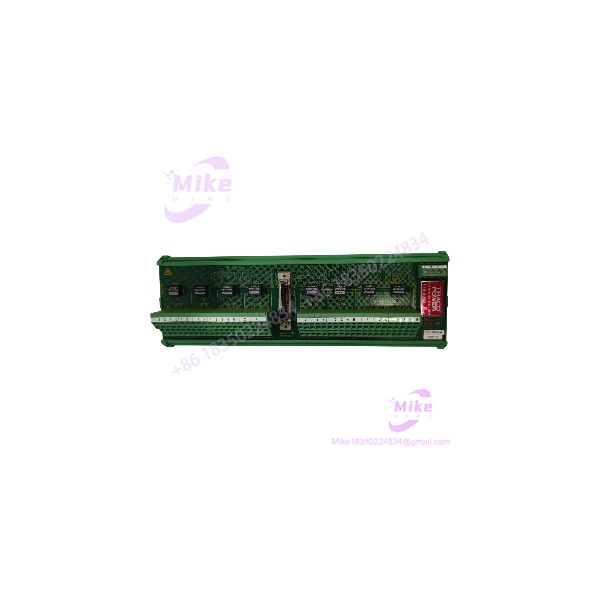
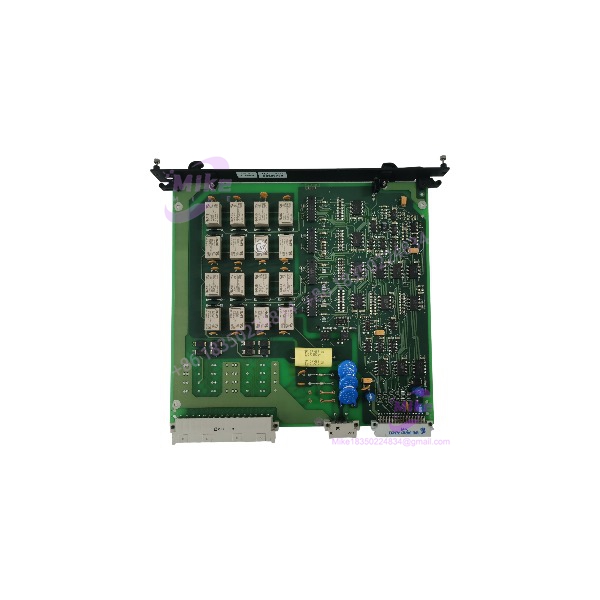
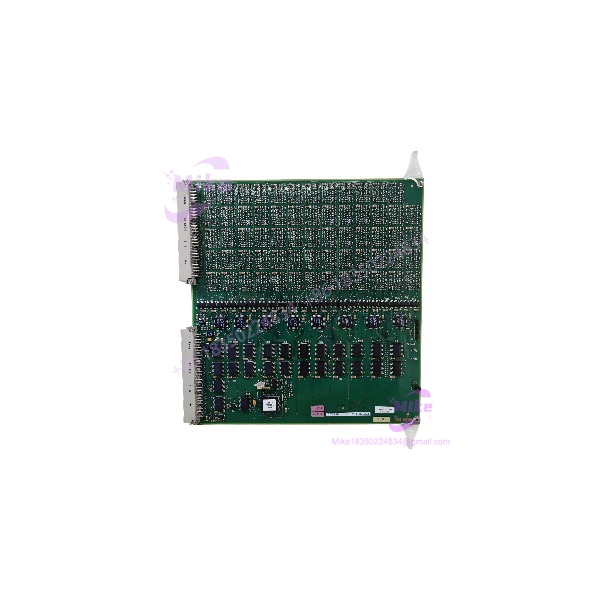
Description
Alstom 029.144456/06 | Industrial Automation Control Module
Dynamic Product Introduction
Securing reliable spares for proprietary Alstom control architecture often involves navigating a landscape of questionable brokers and unverified surplus. When a legacy distributed control node throws communication faults, substituting a generic commercial interface card will quickly stall a turbine or shut down a boiler train.
The Alstom 029.144456/06 matches the exact electrical and mechanical footprints required for seamless integration into vintage rack frameworks. Built to withstand punishing electrical noise environments, this hardware maintains data integrity across critical loops—preventing costly nuisance trips in continuous process operations.
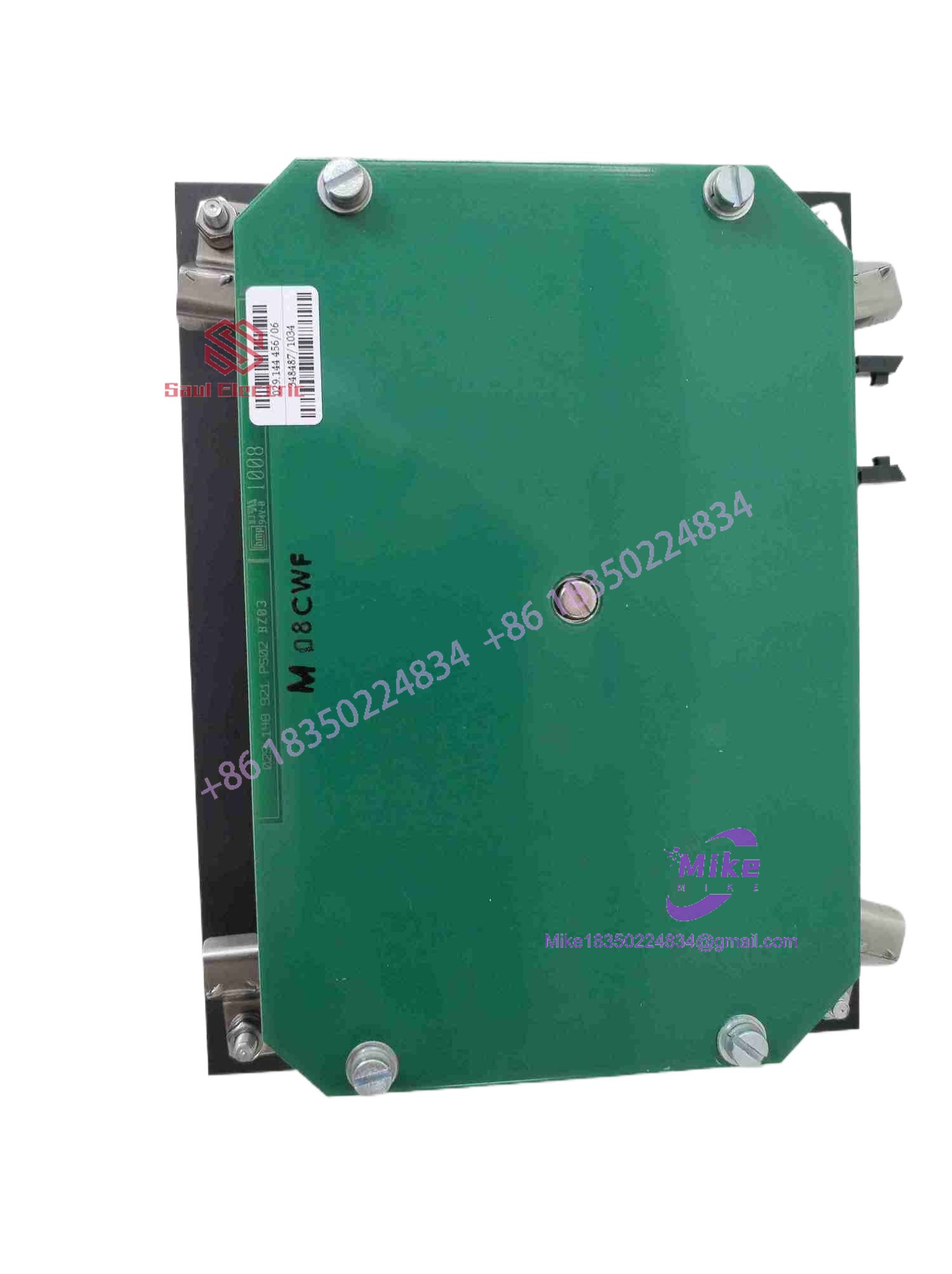
029.144456/06
Key Technical Specifications
| Parameter | Technical Specification |
| Manufacturer | Alstom |
| Module Classification | Interface / Processing Card |
| Enclosure Type | Open-board rack-mount module with front faceplate |
| Interface Standard | Proprietary backplane bus protocol |
| Operating Voltage | Standard rack logic levels (internal rail powered) |
| Isolation Rating | Galvanic optical isolation on communication channels |
| Diagnostic Features | Integrated heartbeat / fault status LEDs |
| PCB Protection | Industrial conformal coating against humidity/sulfur |
| Operating Temperature | 0°C to 55°C continuous ambient |
| MTBF | >120,000 hours industrial operational life |
Global Sourcing & Live-Test SOP (Transparency Core)
Acquiring obsolete automation hardware from secondary markets requires an uncompromising verification protocol to eliminate latent component fatigue.
- Inbound Verification: Every unit is logged against original factory BOMs. We perform optical inspections under magnification to check for cold solder joints, trace corrosion, and component authenticity.
- Live Simulation: Modules are mounted onto an active, powered test backplane rack matching the appropriate generation of Alstom control architecture.
- Diagnostics: Units undergo a 24-hour continuous burn-in test under thermal load. Signal handshakes, data throughput rates, and error flags are monitored in real-time using digital oscilloscopes and protocol analyzers.
- Final Prep: Cleared units receive ultrasonic cleaning of edge connectors, a fresh coat of protective dielectric spray where required, and vacuum-sealed packaging inside heavy-duty anti-static barrier bags.
The Field Engineer’s Pitfall Guide
❗ Overlooking Sub-Revision Compatibility: Swapping a board variant without cross-referencing the trailing suffix (e.g., matching the exact “/06” designator) can cause backplane bus lockups. I’ve seen technicians spend an entire shift troubleshooting communication loops simply because an older revision card lacked the necessary firmware registers to talk to the master controller.
❗ Failing to Clear Oxidation on Gold Fingers: Inserting a replacement card directly into a dusty, decades-old chassis slot invites intermittent packet drops. Always clean the backplane slot contacts with an approved contact burnishing tool before sliding in a fresh module.
❗ Ignoring Slot-Keying Mechanics: Forcing a module into a misaligned guide rail can bend delicate backplane pins. If resistance is met during insertion, stop immediately—forcing the latch can destroy the main chassis harness.
Intent-Driven FAQ
Q: Is the Alstom 029.144456/06 a drop-in replacement for earlier revision suffixes?
A: Compatibility depends on the system’s master rack firmware. While form and fit are identical, minor suffix changes can affect register mapping. Always verify the software configuration before deployment.
Q: Will replacing this module require a complete system shutdown and program reload?
A: Standard backplane hot-swap rules vary by specific site architecture, but generally, control cards require an orderly power-down of the affected rack sub-assembly to prevent bus contention errors and protect volatile memory regions.
Q: Are these units pulled from operating plants or refurbished?
A: Our inventory consists of verified factory-surplus and professionally restored units that have undergone complete diagnostic benchmarking and component-level verification.
Q: What preventive measures protect the board during transit?
A: Every unit is encased in anti-static dissipative foam, wrapped in a moisture-barrier foil bag with activated desiccant, and shipped in a custom-fit double-walled carton.
Q: What type of warranty coverage is provided with this hardware?
A: Every module includes an industry-standard replacement warranty covering functional performance under normal industrial operating conditions.