


ABB PU516A 3BSE032402R1 Module

ABB PU516A 3BSE032402R1 Module
Brand: ABB
Model: PU516A 3BSE032402R1
Service: Provide one-year warranty service
Transportation: Air/Sea freight 3-5 days
Sales Manager:Mike
contact information:18350224834
email: [email protected]

Description

ABB PU516A 3BSE032402R1 Module

PU516A 3BSE032402R1 Module Introduction

1. General Overview
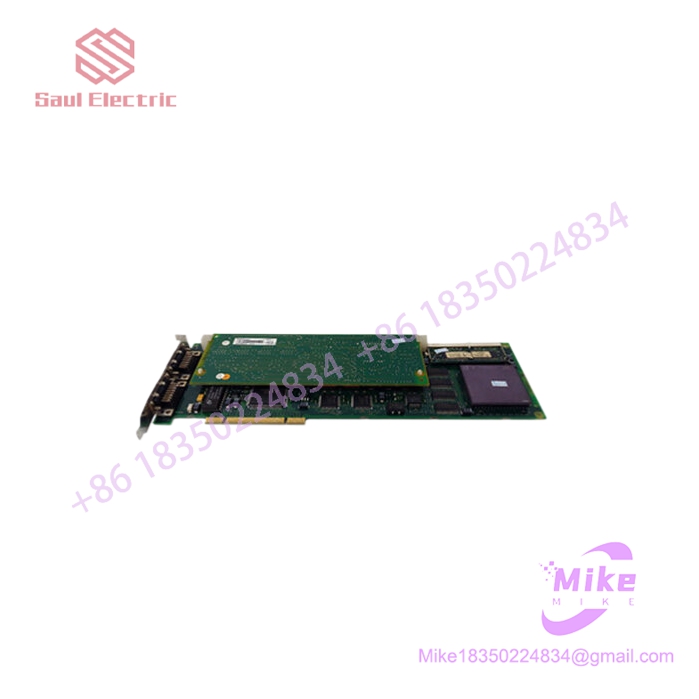
PU516A with part number 3BSE032402R1 is a rack-mounted processing interface module designed for distributed industrial process control systems. It works as a core auxiliary processing unit installed in standard controller rack slots, delivering high-speed data processing, signal coordination and internal bus communication management for the whole control rack. The module undertakes intermediate data exchange tasks between the main controller unit and various I/O modules, communication boards and real-time accelerator boards inside the rack, reducing the computing burden of the main CPU. It is widely applied in power plant automation, metallurgical rolling lines, pulp and paper production, chemical processing and other continuous process industrial control systems.
PU516A 3BSE032402R1 Module Introduction1. General Overview
PU516A with part number 3BSE032402R1 is a rack-mounted processing interface module designed for distributed industrial process control systems. It works as a core auxiliary processing unit installed in standard controller rack slots, delivering high-speed data processing, signal coordination and internal bus communication management for the whole control rack. The module undertakes intermediate data exchange tasks between the main controller unit and various I/O modules, communication boards and real-time accelerator boards inside the rack, reducing the computing burden of the main CPU. It is widely applied in power plant automation, metallurgical rolling lines, pulp and paper production, chemical processing and other continuous process industrial control systems.
2. Core Functional Capabilities
Rack Internal Bus Management
It acts as a bus coordinator for the rack backplane, scheduling data transmission between all plug-in modules including analog input/output modules, digital I/O modules, real-time accelerator boards and serial communication boards. The module ensures ordered, collision-free high-speed data exchange and maintains fixed communication cycles to guarantee system determinism. It monitors bus load rates in real time and sends overload warning signals when data traffic exceeds the preset threshold.
Data Preprocessing and Buffering
The module integrates large-capacity on-board buffer memory to cache sampled analog values, digital status signals and fault event data from field I/O modules before forwarding them to the main controller. It executes basic preprocessing tasks such as signal filtering, value scaling and fault signal classification independently, offloading repetitive low-level computing work from the main processing unit. Time-stamping of all incoming process signals is completed locally to ensure unified time sequence across the entire rack.
System Synchronization
PU516A provides precise clock synchronization for all modules within the rack. It distributes unified timing signals to real-time accelerator boards and fast I/O modules, maintaining consistent control scan cycles across different hardware units. This synchronous mechanism eliminates time offset errors in closed-loop control, motion coordination and interlock logic execution.
Fault Collection and Rack Diagnostics
The module continuously collects self-diagnosis status from every plug-in module in the rack, including power supply anomalies, communication failures, hardware circuit errors and signal channel faults. All fault records are stored with accurate timestamps and transmitted to the main controller for display on local HMI and remote monitoring systems. It also detects abnormal backplane voltage, loose module connection and overheating risks inside the rack.
3. Hardware Configuration
Standard plug-in rack structure compatible with matching system controller cabinets, fixed by locking mechanisms to resist vibration and prevent loose contact.
Independent onboard processing chip and dedicated high-speed memory for bus scheduling and data buffering.
Multiple LED status indicators on the front panel to display power supply status, backplane bus running state, communication activity and module fault alarms.
Built-in hardware watchdog circuit that triggers rack-level safety hold and fault notification if the module stops normal operation.
Isolated internal power circuit drawing power entirely from the rack backplane, with low heat generation during continuous operation.
IP20 protection rating for the module body, preventing accidental contact with live internal components inside closed control cabinets.
4. System Integration and Configuration
All functional parameters of PU516A are configured via dedicated engineering software, including bus cycle time, data buffer capacity, signal filtering parameters and fault alarm thresholds. Configuration files are downloaded from the main controller to the module’s local flash memory. The module supports hot swap capability in compatible rack systems, allowing replacement without full system power cut to minimize production downtime. It can work in coordination with PU519 real-time accelerator boards, CI series communication modules and AI/AO digital I/O modules to form a complete rack control system.
5. Electrical and Environmental Specifications
Operating power supplied by rack backplane DC power bus, with stable low power consumption.
Operating temperature range suitable for indoor control room environments, supporting 24-hour uninterrupted long-term operation.
Fully compliant with industrial EMC standards, providing strong immunity against electrostatic discharge, surge pulses and radiated electromagnetic interference from high-power drives and switchgear.
Passes industrial vibration and shock tests to adapt to factory environments with mechanical equipment operation.
Wide humidity tolerance without internal condensation under normal control cabinet ventilation conditions.
6. Typical Application Scenarios
Boiler, turbine and auxiliary system control racks in thermal power plants
Tension and speed control racks for metal hot and cold rolling production lines
Pulp washing, paper forming and winding process control cabinets
Continuous chemical reaction and pipeline safety interlock control systems
Water treatment plant multi-loop process monitoring and control racks
Wind farm booster station integrated automation control cabinets
7. Main Advantages
Centralized backplane bus management stabilizes data transmission and avoids communication conflicts among multiple rack modules.
Independent data preprocessing reduces main controller load and prevents control cycle jitter caused by heavy signal sampling tasks.
Unified rack-wide clock synchronization improves the precision of closed-loop control and multi-equipment coordination logic.
Comprehensive rack-level diagnostic function enables centralized fault detection of all internal plug-in modules, simplifying maintenance troubleshooting.
Hot-swap compatible design shortens equipment maintenance downtime without system-wide shutdown.
Rugged hardware design with strong anti-interference performance guarantees reliable operation in complex industrial electromagnetic environments.

PU516A 3BSE032402R1 Module Introduction
1. General Overview
PU516A with part number 3BSE032402R1 is a rack-mounted processing interface module designed for distributed industrial process control systems. It works as a core auxiliary processing unit installed in standard controller rack slots, delivering high-speed data processing, signal coordination and internal bus communication management for the whole control rack. The module undertakes intermediate data exchange tasks between the main controller unit and various I/O modules, communication boards and real-time accelerator boards inside the rack, reducing the computing burden of the main CPU. It is widely applied in power plant automation, metallurgical rolling lines, pulp and paper production, chemical processing and other continuous process industrial control systems.
2. Core Functional Capabilities
Rack Internal Bus Management
It acts as a bus coordinator for the rack backplane, scheduling data transmission between all plug-in modules including analog input/output modules, digital I/O modules, real-time accelerator boards and serial communication boards. The module ensures ordered, collision-free high-speed data exchange and maintains fixed communication cycles to guarantee system determinism. It monitors bus load rates in real time and sends overload warning signals when data traffic exceeds the preset threshold.
Data Preprocessing and Buffering
The module integrates large-capacity on-board buffer memory to cache sampled analog values, digital status signals and fault event data from field I/O modules before forwarding them to the main controller. It executes basic preprocessing tasks such as signal filtering, value scaling and fault signal classification independently, offloading repetitive low-level computing work from the main processing unit. Time-stamping of all incoming process signals is completed locally to ensure unified time sequence across the entire rack.
System Synchronization
PU516A provides precise clock synchronization for all modules within the rack. It distributes unified timing signals to real-time accelerator boards and fast I/O modules, maintaining consistent control scan cycles across different hardware units. This synchronous mechanism eliminates time offset errors in closed-loop control, motion coordination and interlock logic execution.
Fault Collection and Rack Diagnostics
The module continuously collects self-diagnosis status from every plug-in module in the rack, including power supply anomalies, communication failures, hardware circuit errors and signal channel faults. All fault records are stored with accurate timestamps and transmitted to the main controller for display on local HMI and remote monitoring systems. It also detects abnormal backplane voltage, loose module connection and overheating risks inside the rack.
3. Hardware Configuration
Standard plug-in rack structure compatible with matching system controller cabinets, fixed by locking mechanisms to resist vibration and prevent loose contact.
Independent onboard processing chip and dedicated high-speed memory for bus scheduling and data buffering.
Multiple LED status indicators on the front panel to display power supply status, backplane bus running state, communication activity and module fault alarms.
Built-in hardware watchdog circuit that triggers rack-level safety hold and fault notification if the module stops normal operation.
Isolated internal power circuit drawing power entirely from the rack backplane, with low heat generation during continuous operation.
IP20 protection rating for the module body, preventing accidental contact with live internal components inside closed control cabinets.
4. System Integration and Configuration
All functional parameters of PU516A are configured via dedicated engineering software, including bus cycle time, data buffer capacity, signal filtering parameters and fault alarm thresholds. Configuration files are downloaded from the main controller to the module’s local flash memory. The module supports hot swap capability in compatible rack systems, allowing replacement without full system power cut to minimize production downtime. It can work in coordination with PU519 real-time accelerator boards, CI series communication modules and AI/AO digital I/O modules to form a complete rack control system.
5. Electrical and Environmental Specifications
Operating power supplied by rack backplane DC power bus, with stable low power consumption.
Operating temperature range suitable for indoor control room environments, supporting 24-hour uninterrupted long-term operation.
Fully compliant with industrial EMC standards, providing strong immunity against electrostatic discharge, surge pulses and radiated electromagnetic interference from high-power drives and switchgear.
Passes industrial vibration and shock tests to adapt to factory environments with mechanical equipment operation.
Wide humidity tolerance without internal condensation under normal control cabinet ventilation conditions.
6. Typical Application Scenarios
Boiler, turbine and auxiliary system control racks in thermal power plants
Tension and speed control racks for metal hot and cold rolling production lines
Pulp washing, paper forming and winding process control cabinets
Continuous chemical reaction and pipeline safety interlock control systems
Water treatment plant multi-loop process monitoring and control racks
Wind farm booster station integrated automation control cabinets
7. Main Advantages
Centralized backplane bus management stabilizes data transmission and avoids communication conflicts among multiple rack modules.
Independent data preprocessing reduces main controller load and prevents control cycle jitter caused by heavy signal sampling tasks.
Unified rack-wide clock synchronization improves the precision of closed-loop control and multi-equipment coordination logic.
Comprehensive rack-level diagnostic function enables centralized fault detection of all internal plug-in modules, simplifying maintenance troubleshooting.
Hot-swap compatible design shortens equipment maintenance downtime without system-wide shutdown.
Rugged hardware design with strong anti-interference performance guarantees reliable operation in complex industrial electromagnetic environments.

2. Core Functional Capabilities

Rack Internal Bus Management

It acts as a bus coordinator for the rack backplane, scheduling data transmission between all plug-in modules including analog input/output modules, digital I/O modules, real-time accelerator boards and serial communication boards. The module ensures ordered, collision-free high-speed data exchange and maintains fixed communication cycles to guarantee system determinism. It monitors bus load rates in real time and sends overload warning signals when data traffic exceeds the preset threshold.

Data Preprocessing and Buffering

The module integrates large-capacity on-board buffer memory to cache sampled analog values, digital status signals and fault event data from field I/O modules before forwarding them to the main controller. It executes basic preprocessing tasks such as signal filtering, value scaling and fault signal classification independently, offloading repetitive low-level computing work from the main processing unit. Time-stamping of all incoming process signals is completed locally to ensure unified time sequence across the entire rack.

System Synchronization

PU516A provides precise clock synchronization for all modules within the rack. It distributes unified timing signals to real-time accelerator boards and fast I/O modules, maintaining consistent control scan cycles across different hardware units. This synchronous mechanism eliminates time offset errors in closed-loop control, motion coordination and interlock logic execution.

Fault Collection and Rack Diagnostics

The module continuously collects self-diagnosis status from every plug-in module in the rack, including power supply anomalies, communication failures, hardware circuit errors and signal channel faults. All fault records are stored with accurate timestamps and transmitted to the main controller for display on local HMI and remote monitoring systems. It also detects abnormal backplane voltage, loose module connection and overheating risks inside the rack.

3. Hardware Configuration

  • Standard plug-in rack structure compatible with matching system controller cabinets, fixed by locking mechanisms to resist vibration and prevent loose contact.
  • Independent onboard processing chip and dedicated high-speed memory for bus scheduling and data buffering.
  • Multiple LED status indicators on the front panel to display power supply status, backplane bus running state, communication activity and module fault alarms.
  • Built-in hardware watchdog circuit that triggers rack-level safety hold and fault notification if the module stops normal operation.
  • Isolated internal power circuit drawing power entirely from the rack backplane, with low heat generation during continuous operation.
  • IP20 protection rating for the module body, preventing accidental contact with live internal components inside closed control cabinets.

4. System Integration and Configuration

All functional parameters of PU516A are configured via dedicated engineering software, including bus cycle time, data buffer capacity, signal filtering parameters and fault alarm thresholds. Configuration files are downloaded from the main controller to the module’s local flash memory. The module supports hot swap capability in compatible rack systems, allowing replacement without full system power cut to minimize production downtime. It can work in coordination with PU519 real-time accelerator boards, CI series communication modules and AI/AO digital I/O modules to form a complete rack control system.

5. Electrical and Environmental Specifications

  • Operating power supplied by rack backplane DC power bus, with stable low power consumption.
  • Operating temperature range suitable for indoor control room environments, supporting 24-hour uninterrupted long-term operation.
  • Fully compliant with industrial EMC standards, providing strong immunity against electrostatic discharge, surge pulses and radiated electromagnetic interference from high-power drives and switchgear.
  • Passes industrial vibration and shock tests to adapt to factory environments with mechanical equipment operation.
  • Wide humidity tolerance without internal condensation under normal control cabinet ventilation conditions.

6. Typical Application Scenarios

  • Boiler, turbine and auxiliary system control racks in thermal power plants
  • Tension and speed control racks for metal hot and cold rolling production lines
  • Pulp washing, paper forming and winding process control cabinets
  • Continuous chemical reaction and pipeline safety interlock control systems
  • Water treatment plant multi-loop process monitoring and control racks
  • Wind farm booster station integrated automation control cabinets

7. Main Advantages

  1. Centralized backplane bus management stabilizes data transmission and avoids communication conflicts among multiple rack modules.
  2. Independent data preprocessing reduces main controller load and prevents control cycle jitter caused by heavy signal sampling tasks.
  3. Unified rack-wide clock synchronization improves the precision of closed-loop control and multi-equipment coordination logic.
  4. Comprehensive rack-level diagnostic function enables centralized fault detection of all internal plug-in modules, simplifying maintenance troubleshooting.
  5. Hot-swap compatible design shortens equipment maintenance downtime without system-wide shutdown.
  6. Rugged hardware design with strong anti-interference performance guarantees reliable operation in complex industrial electromagnetic environments.
Business Card

