

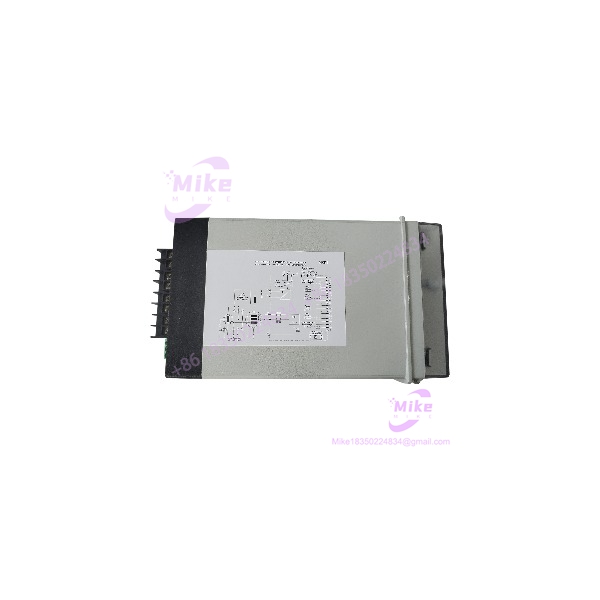
Description
Woodward SEG MRR1D | Rotor Earth Fault Relay, Category ID
Architect’s Product Breakdown
The MRR1D protective relay serves as a specialized monitoring unit designed to protect synchronous generators and large motors from rotor winding earth faults and excitation system failures. Installed in switchgear or low-voltage compartments, it uses a low-frequency alternating test voltage (0.5 Hz) injected via slip rings to detect high- and low-resistance insulation breakdowns without interference from capacitive field-to-earth currents. Its multi-stage logic execution handles rotor earth fault alarms, excitation over/under-current detection, and diode failure supervision simultaneously.
Integrating this unit into existing generator protection schemes requires matching auxiliary control supply voltages and verifying potential and current transformer secondary configurations. Retrofitting legacy electromechanical rotor protection with this microprocessor-based unit significantly improves fault resolution and eliminates false trips caused by transient generator start-up states.
Engineers must account for proper wiring isolation and shielding on the low-frequency test injection circuit. Improperly terminated test leads or high capacitance imbalances across the rotor windings can distort insulation resistance measurements and mask actual winding degradation.
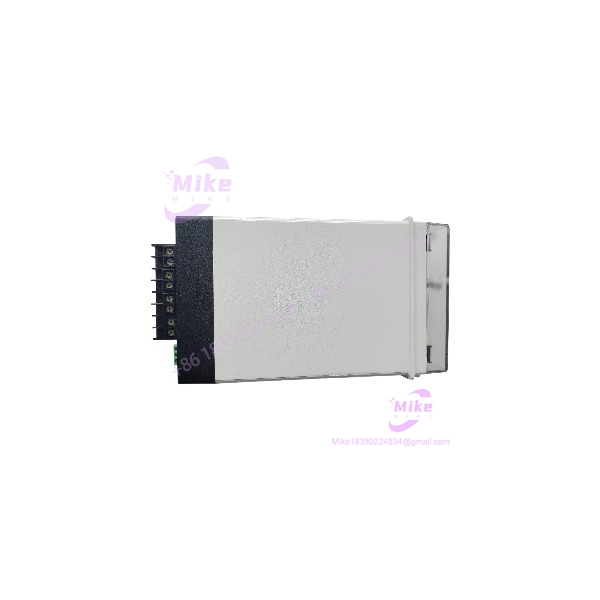
MRR1D
Key Technical Specifications
| Parameter | Specification |
| Manufacturer | Woodward SEG (SEG Electronics) |
| Model Number | MRR1D |
| Device Family | MRR1 Rotor Protection Line |
| Auxiliary Supply Voltage | Wide-range AC/DC configurations available |
| Excitation Current Input | 0 to 20A DC (galvanically isolated via Hall transducer) |
| Test Frequency (Earth Fault) | 0.5 Hz alternating test voltage |
| Output Relays | 5 programmable output change-over relays |
| Communication Interface | RS485 interface for SCADA integration |
| Operating Temperature | -20°C to +70°C |
| Mounting Type | Flush panel mounting / 19-inch subrack adapter |
Field Engineer’s Pitfall Guide
- Incorrect Test Voltage Injection Wiring: Miswiring the 0.5 Hz test voltage injection lines across the rotor slip rings will corrupt insulation resistance calculations, resulting in erratic readings or constant false alarms. I once spent an entire afternoon debugging a phantom earth fault alarm on a hydro generator, only to find a loose terminal screw on the test resistor injection circuit.
- Auxiliary Supply Overvoltage: Applying an incorrect DC or AC control voltage level to the auxiliary input stage can permanently damage the internal power supply board before configuration is even initiated.
- Uncompensated Excitation Scaling: Failing to match the Hall-transducer excitation input scaling to the actual nominal field current of the machine will disable accurate over/under-current trip protection.
QA & Testing SOP
- Visual & Origin Inspection: Inspect the physical housing for molding defects, verify OEM seals, and cross-reference the serial number plate against production logs.
- Live Test Environment: Power the unit using an isolated test bench power supply to verify microprocessor initialization and self-supervision relay status.
- Diagnostics & Handshake Tests: Inject simulated DC excitation currents and secondary test voltages to verify pickup thresholds, time delays, and trip output relay actuation.
- Preservation & Packaging: Record firmware revisions, apply protective terminal covers, and seal the device inside anti-static shielding bags.
Technical FAQ
Can the MRR1D be used on brushless synchronous generators?Yes. The unit includes specific monitoring logic to detect rotating diode failures by supervising the ripple component of the DC excitation current, making it fully compatible with brushless excitation systems.
Does the relay store fault records after a complete loss of auxiliary power? Yes. Event history and trip parameters are preserved in non-volatile flash memory, enabling post-incident analysis after power outages.
What is the purpose of the 0.5 Hz test voltage?The low frequency prevents interference from high field-to-earth capacitance values (often reaching up to 1\ \muF on large generators) that would otherwise compromise standard DC-based insulation checks.
Do I need specialized software to program this relay?Parameters can be configured locally via the integrated front-panel push buttons and alpha-numerical display, or remotely through the optional RS485 communication link.





