


Description
Woodward 9905-972 | LinkNet Discrete Input Module Core Category
Dynamic Project Introduction
Capturing fast binary state changes across a sprawling turbine skid requires reliable signal acquisition that will not choke on industrial electrical noise. The Woodward 9905-972 operates as a high-density LinkNet peripheral node designed to aggregate sixteen discrete digital inputs right at the local junction box, dramatically reducing heavy multi-core field wiring runs. Unlike centralized I/O racks that concentrate all terminal points in a distant control room, this distributed module isolates each binary channel optically to protect the master controller from high-voltage transient spikes.
Stepping past older discrete interface blocks, this LinkNet iteration delivers faster polling response rates and tighter hardware-level debounce filtering. Field integration data proves that dropping in this replacement node eliminates intermittent trip flags caused by contact bounce on worn limit switches while maintaining stable status handshakes across the serial bus.
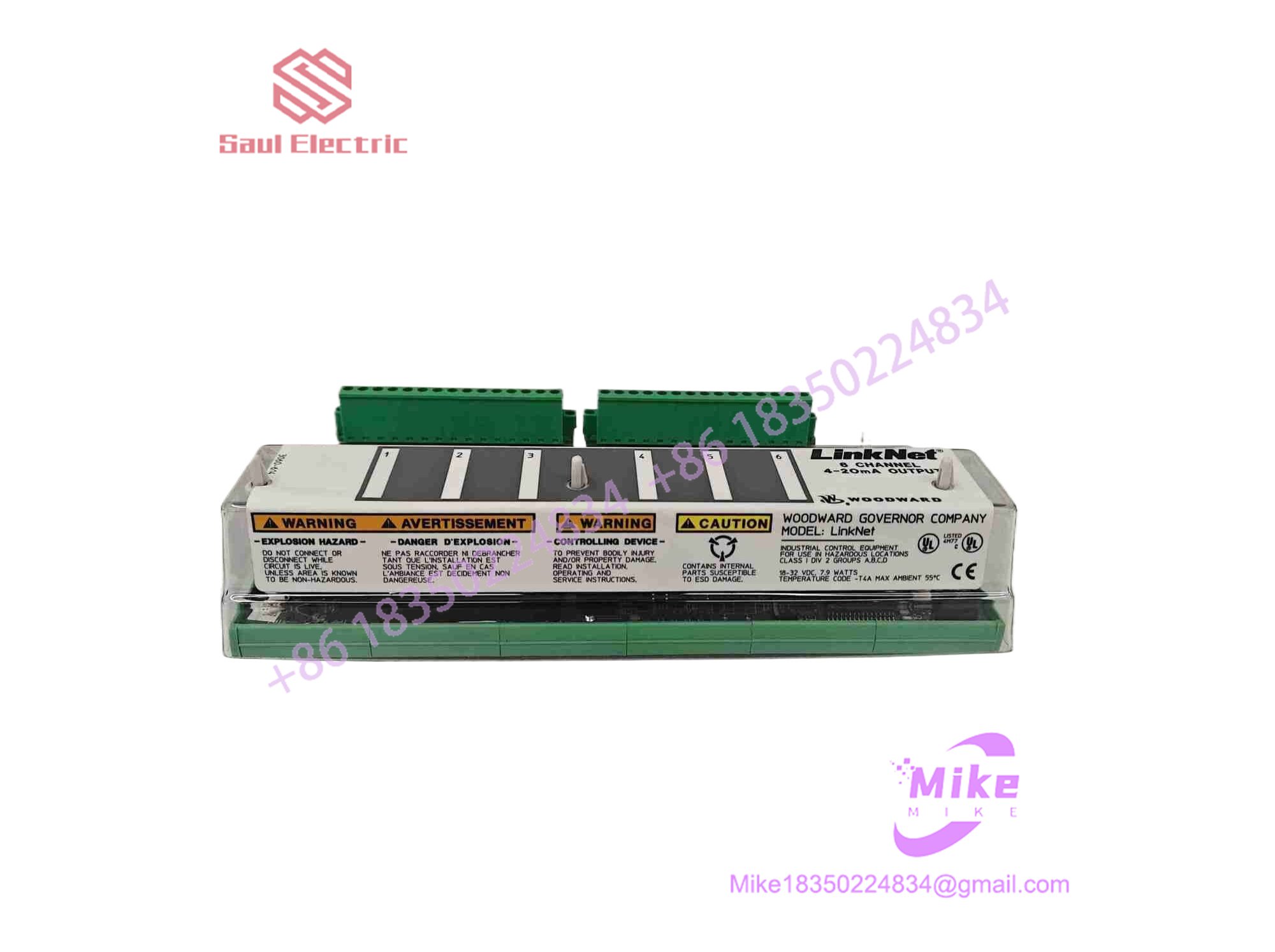
9905-972
Key Technical Specifications
- Input Channels: 16 isolated discrete/digital input channels per module
- Nominal Input Voltage: 18 to 32 VDC source compatibility
- Isolation: Optically isolated channel-to-bus architecture
- Communication Interface: LinkNet serial bus protocol linking directly to the primary controller
- Input Current Draw: Low-power current sinking/sourcing configuration standard for industrial switches
- Power Supply: 18 to 32 VDC isolated auxiliary loop feed
- Operating Temperature Range: -40°C to +70°C industrial ambient tolerance
- Enclosure Type: Modular DIN-rail or rack-mountable field block with pluggable screw terminals
- Weight: ~0.48 kg (1 lb 1 oz)
- Diagnostics: Front-panel LED status indicators for power health, network activity, and individual channel state illumination
Global Sourcing & Live-Test SOP (Transparency Core)
Deploying replacement or surplus distributed I/O hardware demands a comprehensive bench-validation cycle to eliminate infant mortality on active skids.
- Inbound Verification: Incoming modules are audited against OEM traceability lots. Each unit is inspected under optical magnification to check for pin corrosion, thermal fatigue on resistors, or unverified counterfeit component markings.
- Live Simulation: Technicians mount the card on an active LinkNet test bus powered by an authentic Woodward controller rack, feeding programmable 24 VDC pulse trains into all sixteen input terminals simultaneously.
- Diagnostics: Channel transition speeds, debounce timing parameters, and optical isolation barriers are stress-tested under a 24-hour powered thermal soak run to catch intermittent circuit breakdown.
- Final Prep: Once communication frame integrity and error-handling checks pass successfully, pluggable terminal blocks are cleaned, and the unit is sealed within an ESD-safe moisture-barrier bag.
The Field Engineer’s Pitfall Guide
❗ Overlooking Common-Mode Voltage References on Floating Power Supplies: Sourcing discrete field inputs from an ungrounded or floating auxiliary power supply can induce common-mode voltage drift across optical isolators, leading to ghost channel activations. (I’ve seen plants chase phantom emergency shutdown signals for days because a floating 24V supply injected stray leakage current into the binary inputs.) Always ensure proper reference bonding of auxiliary power commons.
❗ Neglecting LinkNet Baud Rate and Node Addressing: Swapping a failed module without duplicating the exact hardware address switch configuration of the legacy unit will lock the node off the serial token ring, immediately throwing critical communication loss faults on the main controller screen.
❗ Forcing Pluggable Terminal Blocks Under Power: Unplugging or jamming multi-pin terminal connectors while the 18–32 VDC auxiliary power feed is active can generate high-voltage inductive kickback arcs that pit the connector pins and damage internal transceiver chips. Always drop power before disconnecting wiring blocks.
Intent-Driven FAQ
Will replacing this LinkNet discrete input module require reloading the main CPU application logic?
No. The core application logic and configuration files reside on the central CPU controller. The 9905-972 functions as a smart peripheral device; once assigned the correct network address, it automatically streams its 16-channel binary status array back to the master rack upon power-up.
Can the 9905-972 module be hot-swapped while the turbine or compressor is running?
Because LinkNet nodes share a common serial communication loop, hot-swapping a powered module can disrupt token passing and trigger timeout alarms on the primary controller, potentially causing an unintended shutdown. It is always safest to de-energize the specific 18–32 VDC power feed before unsealing terminal plugs.
What causes an input channel to remain locked in an active state regardless of field switch position?
A locked-on channel typically points to a short-circuited optical isolator inside the module caused by an external lightning surge or a high-voltage cross-wiring event in the field. Checking the voltage directly across the terminal screw with a multimeter will isolate whether a stuck field contact or a blown internal input stage is to blame.
Is this module compatible with 120 VAC discrete field signals?
No. The 9905-972 is engineered strictly for low-voltage 18 to 32 VDC industrial logic levels. Introducing 120 VAC or higher line voltages will instantly destroy the optical isolation barriers and fry the input circuitry.
What kind of warranty accompanies surplus 9905-972 units?
Reputable industrial suppliers typically back tested surplus or refurbished automation components with a standard 1-to-2 year replacement warranty, backed by an independent bench test report confirming channel-by-channel digital switching accuracy.





