


Description
TRICONEX EPI3382 | 3382 Safety System Module
Product Introduction
When a Tricon rack has a failed or suspect 3382-series card, the problem is rarely solved by substituting a vaguely similar controller. The TRICONEX EPI3382 belongs to a specific safety-control architecture, where firmware, rack position, system revision, and module identification all matter. This is replacement hardware for engineers who already know the Tricon platform and need the correct card—not a generic PLC accessory.
The practical value is straightforward: get the correct module into the maintenance inventory before a production outage turns into an emergency procurement exercise. EPI3382 should be matched against the existing chassis configuration, firmware revision, application requirements, and installed module before installation. Do not assume that a visually identical 3382-family card is automatically interchangeable—Tricon hardware revisions can matter considerably.
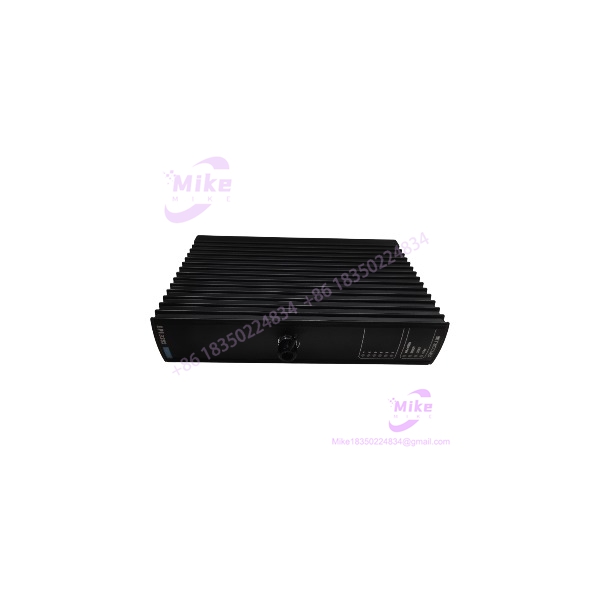
EPI3382
Key Technical Specifications
- Manufacturer: TRICONEX
- Part Number: EPI3382
- Module Identification: 3382
- System Family: Tricon safety/control platform
- Product Category: Industrial control system module
- Architecture: Intended for Tricon system architecture
- Installation: Tricon system rack / designated module position
- Application Class: Safety-critical industrial automation
- Typical Industries: Oil and gas, petrochemical, power generation, process manufacturing
- Interface: System backplane/interface dependent on installed Tricon configuration
- Firmware: Must be verified against the target system revision before deployment
- Condition: New surplus, subject to individual unit inspection and availability
Engineering note: Publicly available descriptions of EPI3382 vary considerably by supplier, including processor, interface, and I/O classifications. For a safety-system replacement, the nameplate, hardware revision, firmware revision, and target chassis documentation should take precedence over generic online descriptions.
Application Scenarios & Pain Points
When vs. Without
With a verified EPI3382 replacement:
A maintenance team can keep a correctly identified Tricon module on the shelf and avoid waiting for an emergency sourcing cycle after a hardware fault.
Without a verified spare:
A single failed card can trigger compatibility checks, engineering review, expedited sourcing, and potentially extended downtime. On a continuous process line, even a few hours can become a substantial production-loss event.
Legacy Rack Migration
Older Tricon installations often remain in service long after the original procurement cycle has ended. That creates a familiar maintenance headache: the control architecture is still operational, but the spare-parts channel has dried up.
That is where becomes useful as maintenance inventory. The goal is not to redesign the system. It is to maintain the installed architecture with correctly identified replacement hardware—though exact interchangeability still has to be confirmed against the target rack.
Safety-System Maintenance
For refinery, chemical, power, and other process applications, replacing a module is not equivalent to swapping an ordinary PLC card. The engineering team has to consider the installed firmware, controller revision, rack configuration, application database, and approved maintenance procedure.
A cheap substitute that passes a basic power-on test is not necessarily an acceptable safety-system replacement.
Procurement Emergency
Problem: Existing spare stock is exhausted.
Problem: Original equipment lead time is unacceptable.
Problem: Procurement finds several visually similar 3382-series modules.
Solution: Start with the exact identification, then verify hardware revision and system compatibility before purchase. That simple discipline can prevent an expensive wrong-part shipment.
QA & Live Testing SOP
We treat a safety-system spare as an engineering component, not a shelf ornament.
Before shipment, the unit should go through an identification and condition inspection covering:
- Part-number verification: Confirm the marking against the sales record.
- Nameplate inspection: Check model, revision, serial information, and visible manufacturer markings.
- Physical inspection: Examine the PCB, connector pins, housing, locking mechanism, and front-panel indicators.
- Connector inspection: Look for bent, oxidized, contaminated, or mechanically damaged contacts.
- Power-up testing: Where the available test platform permits, install the module in an appropriate Tricon test environment and verify startup behavior.
- System communication: Confirm the module establishes the expected system-level communication or interface handshake where applicable.
- Diagnostic check: Review available module status and diagnostic indicators for abnormal conditions.
- ESD protection: Package the module in anti-static material with mechanical protection around connectors and the PCB.
We do not treat a green LED as proof that a safety module is good. The meaningful test is whether the hardware behaves correctly within the architecture it was designed to occupy.
Field Engineer’s Pitfall Guide
❗ Do not assume every 3382 is interchangeable.
Check the exact part number and hardware revision first. A module that looks correct can still belong to a different system revision or application configuration.
❗ Firmware compatibility can stop the installation before commissioning.
Verify the target Tricon software/firmware environment against the replacement module. Do not rely on the statement “same model number” as your only compatibility check.
❗ Do not force a questionable backplane connection.
Inspect connector alignment and contact condition before insertion. A damaged backplane connector can turn a simple module replacement into a rack-level repair.
❗ Never improvise a safety-system hot-swap procedure.
Whether online replacement is permitted depends on the exact Tricon architecture, module role, system state, and approved maintenance procedure. Follow the site’s documented safety procedure—not a generic PLC replacement rule.
Intent-Driven FAQ
Can I use the TRICONEX as a direct replacement for another 3382 module?
Not automatically. Confirm the exact part number, hardware revision, firmware compatibility, chassis configuration, and application requirements before installation.
Is compatible with every Tricon system?
No blanket compatibility claim should be made. Tricon platforms have multiple hardware generations and module configurations. Match the replacement against the installed system documentation and existing module identification.
Is the new or used?
This offering is positioned as new surplus / limited-stock hardware. Actual packaging and physical condition should be verified for the specific unit before purchase.
How do I verify that the module is authentic?
Start with the physical identification. Check the manufacturer marking, model number, hardware revision, serial information, labels, connector condition, and packaging. For a safety-system component, traceability matters more than appearance alone.
Can I hot-swap the ?
Do not assume so. The correct procedure depends on the specific Tricon installation and module role. Use the site’s approved maintenance procedure and confirm that online replacement is explicitly supported for the target configuration.
What should I check before ordering ?
Send the seller the exact existing module number, hardware revision, system generation, and—where applicable—firmware information. A photograph of the installed nameplate can eliminate a surprising amount of procurement risk.
What warranty should I expect?
Warranty terms depend on the individual supplier and purchase agreement. Confirm the warranty period, DOA policy, return conditions, and test coverage in writing before placing an order.
Bottom line: The is the kind of spare that should be purchased by exact identification, not by visual similarity. For an installed safety system, five minutes spent checking revision and compatibility is cheap insurance against an expensive maintenance mistake.





