
Description
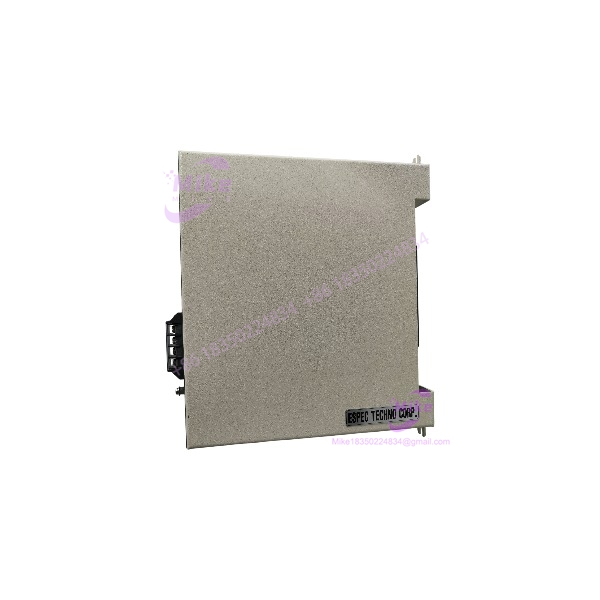
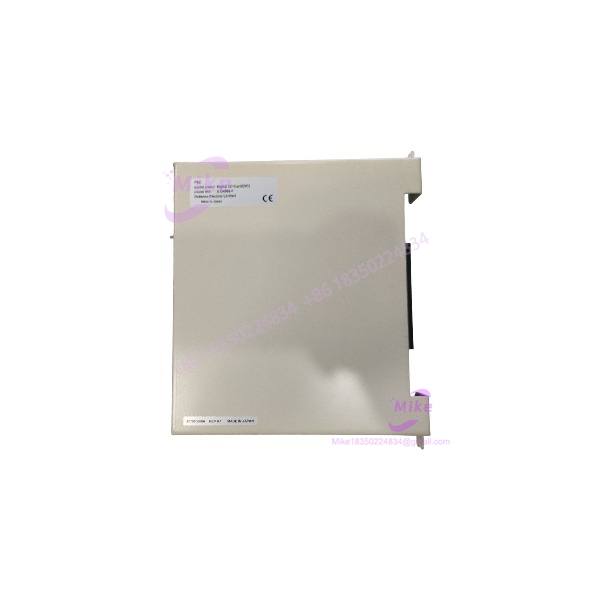
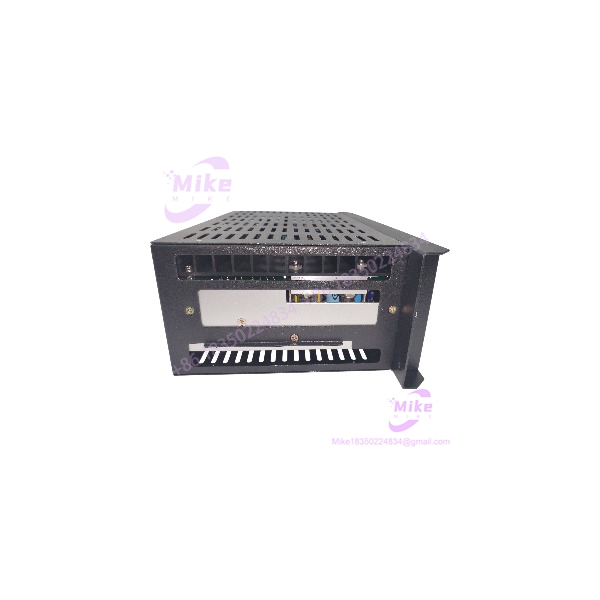
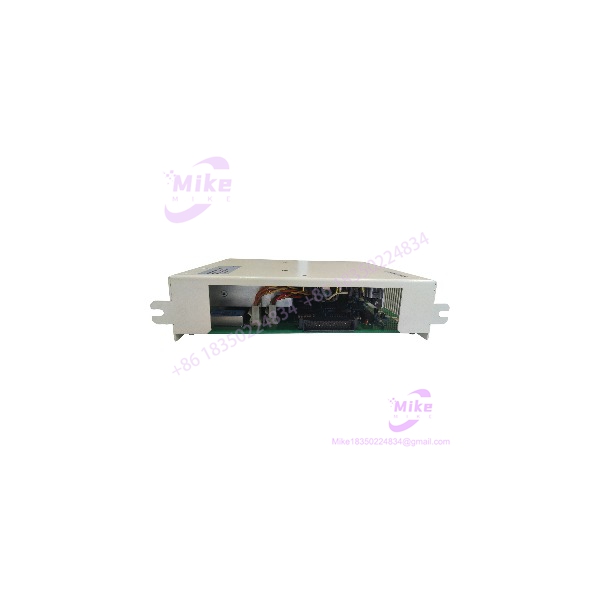
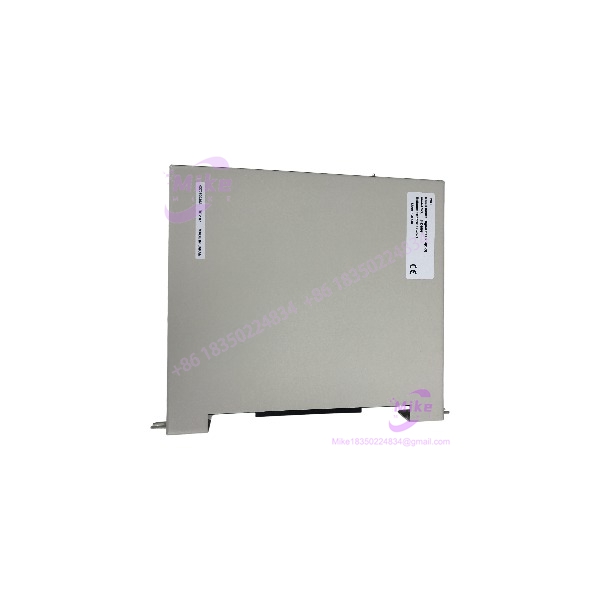
Reliance Electric S-D4006-F | 32-Point Digital Input Output Module
Dynamic Product Introduction
Unscheduled shutdowns on heavy industrial lines often trace back to a single blown channel or failed optocoupler on a legacy DCS I/O card. When a critical digital input or output circuit fails on an active AutoMax rack, replacing the faulty assembly with a fully bench-tested Reliance Electric S-D4006-F card restores real-time control loops immediately. The S-D4006-F acts as a rugged signal buffer, managing 32 discrete digital lines while isolating the main processing unit from field-side voltage spikes.
Rather than committing to a multi-million-dollar cabinet rip-and-replace project, stocking verified Reliance Electric S-D4006-F replacement boards extends the operational lifespan of existing control infrastructure for years. The S-D4006-F module features built-in diagnostic LEDs on its front faceplate, giving field technicians instant visual feedback on logic states and open fuse conditions across every channel bank. Dropping a tested S-D4006-F card into your rack backplane keeps established logic execution cycles running seamlessly without necessitating software re-engineering.
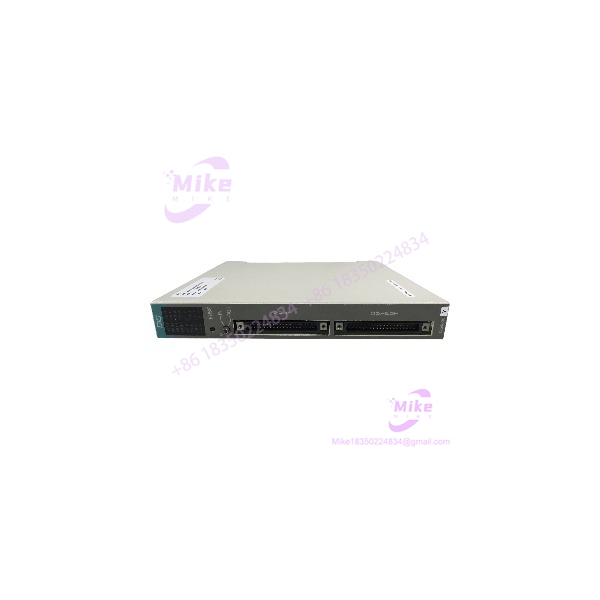
S-D4006-F
Key Technical Specifications
- Number of Channels: 32 discrete digital channels
- System Platform: Reliance Electric AutoMax DCS / PLC rack assemblies
- Diagnostic Indicators: Front-panel LED status indicators for channel logic states and blown fuse alerts
- Field Connection: High-density terminal block interface for field wiring
- Isolation Rating: Optical isolation between field terminal lines and backplane logic
- Physical Dimensions: Approximately 13 cm x 10.2 cm x 4 cm
- Approximate Weight: 0.35 kg
- Operating Temperature Range: 0 °C to 60 °C ambient
- Hardware Revisions: S-D4006-F (direct interchangeable variant for S-D4006 series modules)
Global Sourcing & Live-Test SOP (Transparency Core)
Surplus industrial DCS boards can harbor hidden trace degradation, aged electrolytic capacitors, or cracked solder joints. Every Reliance Electric S-D4006-F module passes a strict bench testing workflow before being accepted into warehouse inventory.
Inbound Verification
Incoming boards are cataloged by serial number and hardware revision letter. Technicians conduct optical inspections under high magnification, checking the backplane edge connector gold plating for wear, inspecting trace paths for heat discoloration, and verifying that fuse sockets retain spring tension.
Live Simulation
The module is installed into an authentic Reliance Electric AutoMax rack powered by a regulated industrial power supply. Backplane address lines are exercised to confirm that the host CPU recognizes the S-D4006-F board address across the rack backplane bus.
Diagnostics & Burn-In
- 32-Channel Logic Verification: Automated test equipment applies signal sweeps across all 32 channels to verify that input optocouplers and output switching stages trigger accurately.
- Fuse Fault Circuit Testing: Blown-fuse conditions are induced across channel groups to verify that front-panel diagnostic indicators illuminate correctly during loop faults.
- 24-Hour Thermal Run: The board undergoes a 24-hour heat run at 45 °C in a thermal chamber under full electrical load to catch latent component drift or thermal failures.
Final Prep
Following physical clearance and electrical testing, the S-D4006-F module is cleaned of flux residue, cleared of error logs, and sealed inside static-shielding ESD packaging with fresh desiccant.
The Field Engineer’s Pitfall Guide
❗ Backplane Keying & Slot Voltage Hazards: Attempting to seat the Reliance Electric S-D4006-F module into an incorrectly keyed slot can bend delicate backplane pin headers. —In field deployments, I’ve seen plant technicians damage an AutoMax rack backplane because they forced an S-D4006-F board into a slot wired for higher voltage AC modules.
❗ Ignoring Blown Fuse Diagnostics: Installing a replacement S-D4006-F card without resolving the root cause of a blown fuse indicator often results in immediately blowing the fuses on the new board. Always check external solenoid coil resistance and field wire insulation for ground faults before seating a new module.
❗ Revision Level Considerations: While the Reliance Electric S-D4006-F is a direct hardware variant for the S-D4006 product family, swapping earlier revision cards with revision F modules occasionally requires checking slot addressing maps in the AutoMax programming software, particularly when running older CPU firmware.
Intent-Driven FAQ
Q: Can I hot-swap the Reliance Electric S-D4006-F module while the rack is powered on?
A: No. AutoMax rack architecture requires powering down the rack chassis before pulling or seating I/O modules. Hot-swapping the S-D4006-F can cause backplane voltage transients, risking memory corruption on the CPU or physical damage to edge connectors.
Q: What is the primary difference between the S-D4006-D and S-D4006-F part numbers?
A: The S-D4006-F represents a later hardware revision of the S-D4006 module design, incorporating updated component layouts and improved protective circuitry while maintaining full backward compatibility with systems built for earlier S-D4006 revisions.
Q: How do I identify a blown fuse on the Reliance Electric S-D4006-F board?
A: The S-D4006-F features diagnostic LEDs on the module faceplate. If an internal channel fuse opens due to an over-current event in the field loop, the corresponding red fuse indicator LED illuminates to alert maintenance personnel.
Q: Where can I find replacement Reliance Electric S-D4006-F boards now that the AutoMax platform is obsolete?
A: Fully tested, refurbished, and certified Reliance Electric S-D4006-F modules are available through specialized industrial automation surplus vendors, providing direct drop-in replacement options to keep legacy control systems online.
Q: Does the Reliance Electric S-D4006-F require an external power supply to operate field devices?
A: Yes. While the backplane powers internal logic circuits, the 32 field I/O channels require an external power supply connected through the terminal block to drive external field devices.