Description
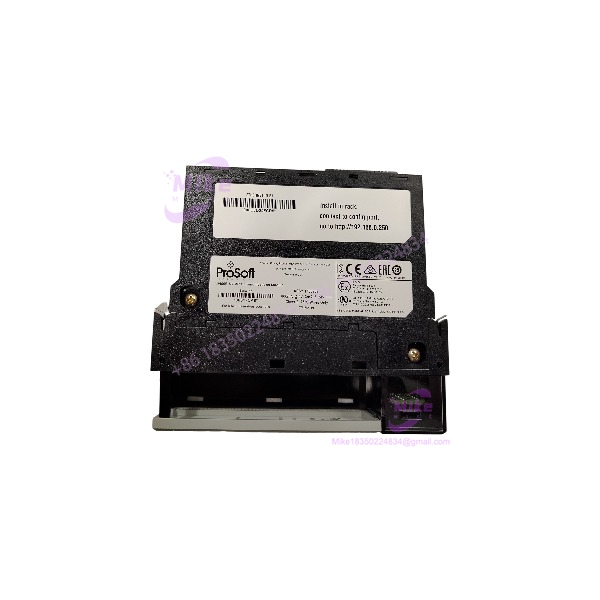
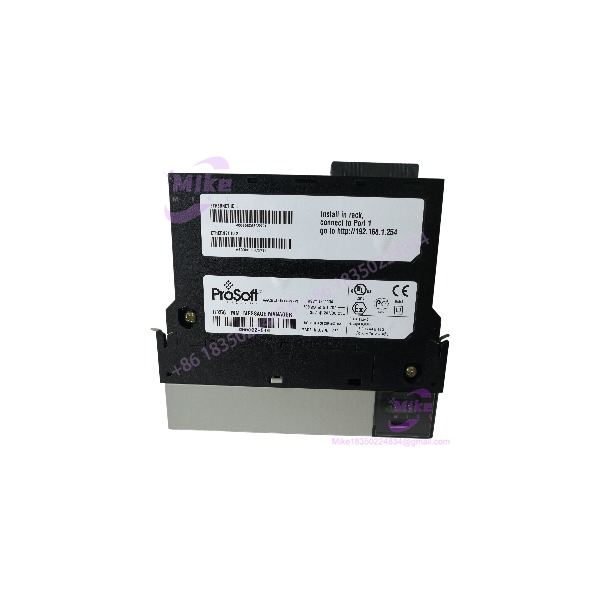
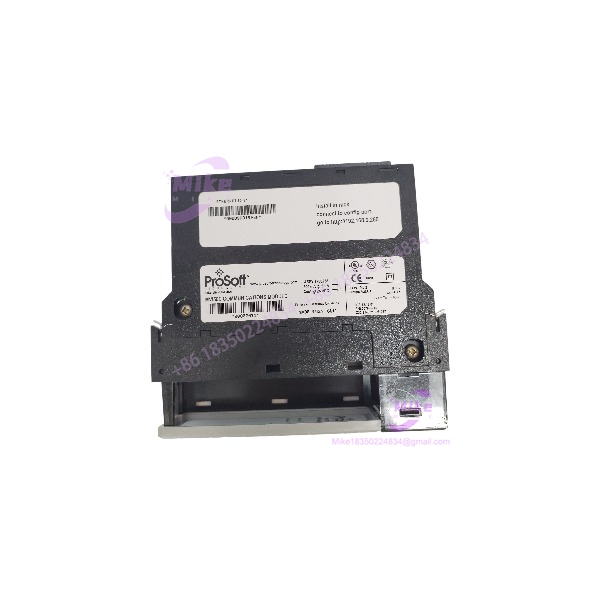
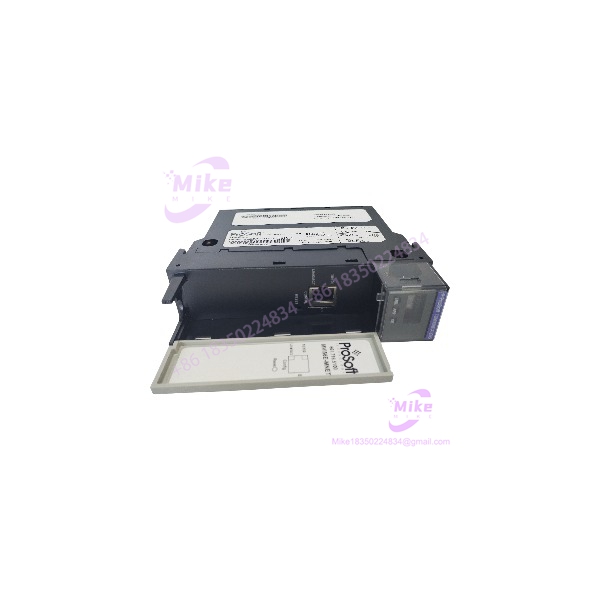
ProSoft MVI56E-MNET | Ethernet Communication Gateway, In Stock
Architect’s Product Breakdown
The ProSoft Technology MVI56E-MNET model operates as an advanced communication gateway engineered to integrate Modbus TCP/IP-enabled field devices, smart meters, drives, and third-party PLCs directly into Allen-Bradley ControlLogix backplane environments. Within industrial control architectures, this hardware model offloads heavy TCP/IP socket management and network polling tasks from the main programmable automation controller, executing deterministic data transfers across the 1756 backplane.
Integrating this network module into an existing control cabinet requires careful attention to backplane power consumption, slot allocation, and Ethernet switch configuration. Because industrial networks demand high reliability, system architects must ensure proper network segmentation, VLAN structuring, and industrial-grade cabling to prevent broadcast storms or packet collisions. Furthermore, the onboard configuration Ethernet port streamlines diagnostics and web-based parameter monitoring without requiring specialized legacy software cables.
MVI56E-MNET
Key Technical Specifications
| Parameter | Specification |
| Manufacturer | ProSoft Technology |
| Model Designation | MVI56E-MNET |
| System Compatibility | Rockwell Automation ControlLogix Chassis (1756 Backplane) |
| Backplane Current Load | 800 mA at 5 V DC; 3 mA at 24 V DC |
| Communication Ports | 2 x RJ45 Ethernet ports (Client/Server support, 10/100 Mbps) |
| Protocols Supported | Modbus TCP/IP Client and Server, EtherNet/IP (optional configurations) |
| Data Memory | Up to 10,000 internal database registers |
| Ambient Operating Temperature | 0°C to 60°C |
| Enclosure Rating | IP20 Open-style industrial module |
Field Engineer’s Pitfall Guide
- WARNING: Backplane Slot Power Limitations. Never insert this module into a heavily populated chassis without verifying available 5V DC backplane capacity. Overloading the rack power supply will cause intermittent reboots and fault out the main controller.
- WARNING: IP Address Conflict and Subnet Mismatch. Ensure that static IP addresses assigned to the MVI56E-MNET model do not overlap with other network nodes on the plant floor. Duplicate IPs will cause network storms and sever communication links.
- WARNING: Unsecured Network Exposure. Never expose industrial Ethernet communication modules directly to unsegmented corporate networks or public internet gateways without employing proper industrial firewall protection.
QA & Testing SOP
- Visual & Origin Verification: Inspect the molded circuit board housing for physical defects, verify OEM serial tracking labels, and check backplane connection pins for oxidation or bending.
- Chassis Seating Test: Mount the MVI56E-MNET model into an isolated ControlLogix test rack and power up the backplane to verify normal LED status initialization and processor handshake.
- Network Ping & Web Server Verification: Connect an engineering laptop to the Ethernet port, ping the module IP address, and access the built-in web diagnostic page to confirm firmware and packet statistics.
- Packaging: Seal in heavy-duty anti-static shielding material and pack with dense anti-static foam inside a rigid outer carton.
Technical FAQ
Can this module act as both a Modbus TCP/IP Client and Server simultaneously?
Yes. The MVI56E-MNET communication model supports multi-client and multi-server configurations, allowing it to initiate requests to field devices while responding to polling masters.
What is the purpose of the dual Ethernet ports on the front panel?
The dual ports provide flexibility for network topologies, supporting daisy-chaining or standard switch connections depending on application requirements.
Does this module require ladder logic programming for integration?
Yes, ladder logic or Add-On Instructions (AOIs) are required within the ControlLogix processor program to manage data exchange between the module’s internal database registers and controller tags.
Can this unit be hot-swapped in an active industrial control rack?
Hot-swapping is generally not recommended unless explicit plant live-maintenance policies, chassis power supplies, and processor fault-handling routines support unseating active backplane modules.