


Description
Yokogawa AIP571 | Vnet Interface Card
Dynamic Project Introduction
Distributed control systems depend on high-speed, deterministic network interfaces to ensure that operator commands, controller loops, and process telemetry move instantly across the plant floor without packet loss. The Yokogawa AIP571 serves as a foundational communication interface card within the CENTUM control architecture, linking node processors to the system’s control network backbone.
When maintaining legacy Yokogawa control infrastructure, replacing failing communication hardware with an exact-match AIP571 card is essential to restoring seamless node recognition, preventing network dropouts, and maintaining secure plant-wide data flow.
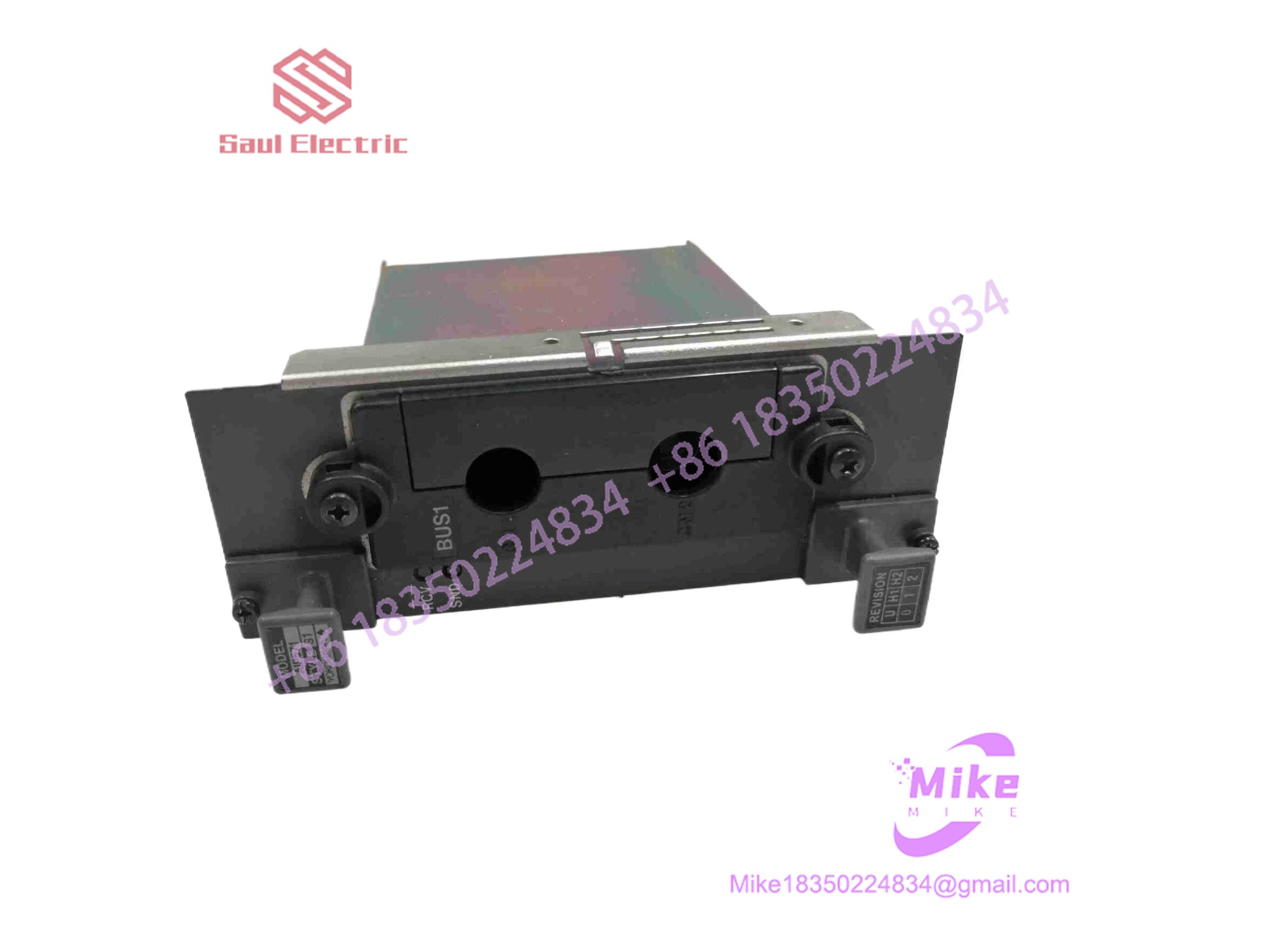
AIP571
Key Technical Specifications
| Parameter | Specification Detail |
| Primary Architecture | Vnet / Vnet/IP Network Interface Card (NIC) |
| System Compatibility | Yokogawa CENTUM CS and CENTUM VP Distributed Control Systems |
| Communication Speed | High-rate deterministic industrial network data exchange |
| Redundancy Support | Engineered to support dual-redundant network ring topologies |
| Mounting & Form Factor | Plug-in communication card for standard Yokogawa node processor racks |
| Operating Environment | Designed for standard industrial control room and cabinet conditions |
Global Sourcing & Live-Test SOP
Sourcing legacy or replacement DCS communication cards requires rigorous multi-point bench testing to guarantee bus transceiver health and packet integrity:
- Inbound Verification: Part numbers, revision codes, and manufacturer stamps are audited against official Yokogawa production databases.
- Visual Audit: Printed circuit boards, edge connectors, and communication ports are inspected under magnification for physical wear, corrosion, or pin distortion.
- Live Bench Simulation: Units are docked onto an active CENTUM test backplane to verify node recognition, power rail regulation, and internal handshake responsiveness.
- Diagnostics & Prep: Communication interfaces are looped through test rigs to confirm zero packet drop and verify error-free network communication. Approved units are anti-static bagged, foam-cushioned, and sealed in heavy-duty moisture-barrier packaging.
The Field Engineer’s Pitfall Guide
❗ Node Address and Domain Mismatches: Failing to verify rotary switch settings or domain configurations on a replacement AIP571 card prior to installation can cause node isolation errors on the network ring.
❗ Hot-Plug Power Risks: Inserting or extracting communication cards into an active, powered node rack without following approved system maintenance procedures risks generating transient voltage spikes that can damage backplane transceivers.
❗ Firmware Version Discrepancies: Deploying an AIP571 card with an outdated or divergent firmware revision into an active multi-node control loop can disrupt communication handshakes.
Intent-Driven FAQ
What systems use the Yokogawa AIP571 module?
The is engineered for deployment within Yokogawa CENTUM CS and CENTUM VP Distributed Control System (DCS) architectures as a network interface card.
What is the primary function of the ?
It acts as a communication bridge, allowing controllers and operator stations to pass real-time process data securely and deterministically across the plant control network.
Does the module support network redundancy?
Yes. The card is designed to interface smoothly with dual-redundant network ring architectures to maintain high availability in critical process control loops.
What causes a “Node Communication Failure” error?
Failures typically stem from damaged physical cabling, incorrect rotary switch node addresses, failing network transceivers, or an unverified hardware replacement card.
What warranty covers surplus units?
Every unit delivered from our inventory is backed by a comprehensive 12-month operational warranty covering transceiver health, internal bus communication, and power regulation stability.





