


Description
Yokogawa AFV30D-S41252 | Duplexed Field Control Unit
Dynamic Project Introduction
Large-scale process automation installations—such as massive petrochemical complexes, multi-train LNG terminals, and wide-area power facilities—require high-capacity control nodes capable of processing thousands of I/O points without latency. The Yokogawa AFV30D-S41252 functions as an advanced, high-performance duplexed Field Control Unit (FCU) within the CENTUM VP architecture, offering expanded processing power and memory capacity compared to standard controllers.
Utilizing pair-redundant “Peer & Spare” technology, this controller ensures zero-downtime failover during hardware anomalies. Maintaining enterprise-grade Yokogawa control infrastructure relies on exact model-code verification—swapping control processors without matching core firmware, memory licenses, and power supply ratings will disrupt plant control synchronization.
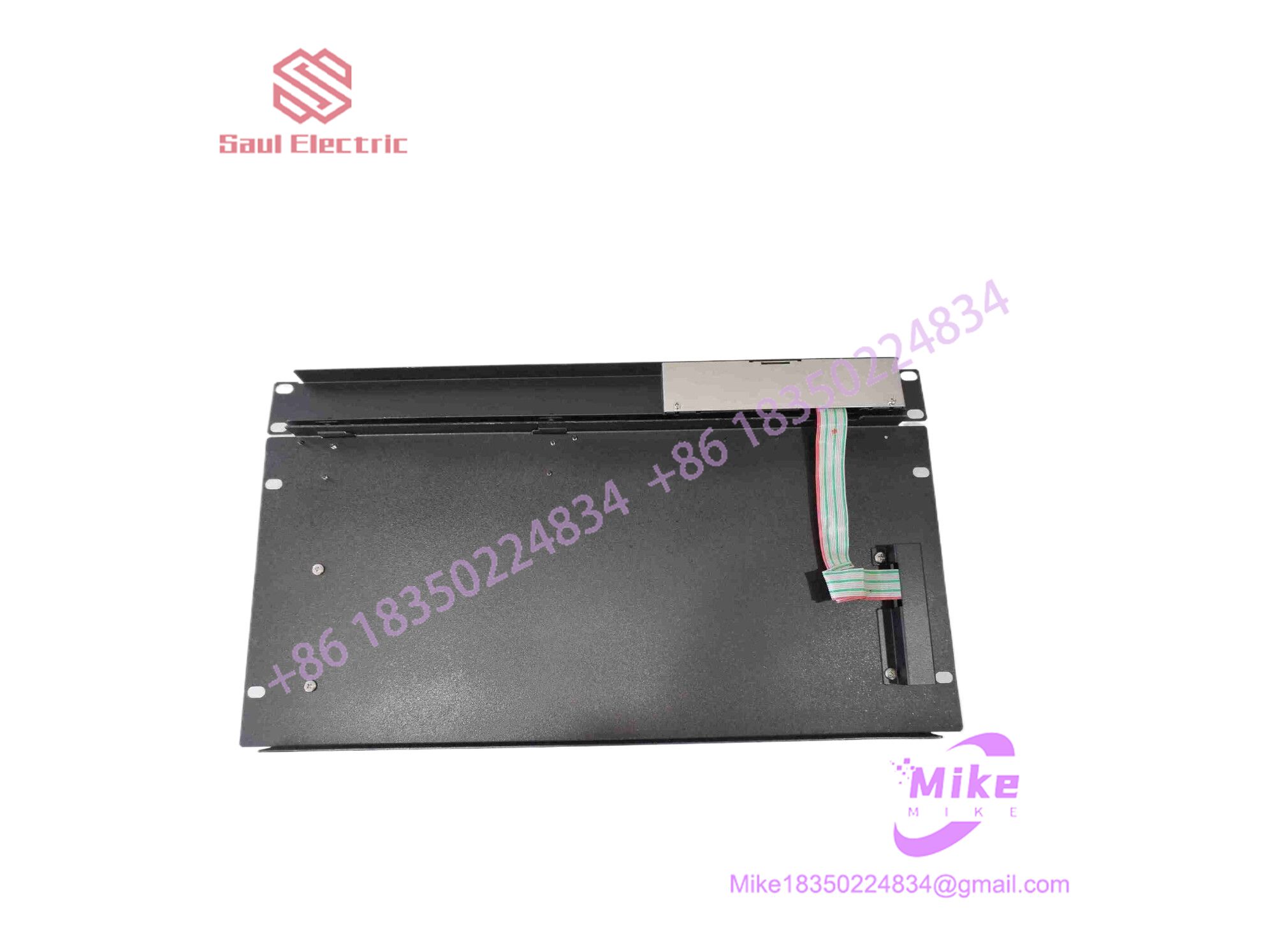
AFV30D-S41252
Key Technical Specifications
| Parameter | Specification Detail |
| Primary Architecture | High-Capacity Duplexed Field Control Unit (FCU) for Vnet/IP and FIO |
| System Compatibility | Yokogawa CENTUM VP Distributed Control System (DCS) |
| Processor Core | High-performance industrial multi-core RISC processor layout |
| Communication Interface | Dual-redundant Vnet/IP real-time control network ports |
| Power Supply Rating | 220–240V AC (50/60 Hz), dual-redundant power modules |
| Memory Capacity | Expanded control database and application task execution capacity (-S4 build) |
| Power Failure Protection | Onboard battery backup for volatile memory protection |
| Form Factor & Mounting | 19-inch rack-mountable industrial enclosure profile |
Global Sourcing & Live-Test SOP
Sourcing legacy or replacement high-capacity DCS controller hardware requires multi-point laboratory validation to guarantee memory retention, processor stability, and network handshakes:
- Inbound Verification: Part numbers, suffix codes (
-S41252), and manufacturing security stamps are audited against official Yokogawa production records. - Visual Audit: Mainboards and power conversion modules are inspected under magnification for thermal discoloration, capacitor leakage, or backplane pin distortion.
- Live Bench Simulation: Units are docked onto an active CENTUM VP test backplane to verify Vnet/IP node recognition, dual-redundant power rail stability, and internal cross-checking handshakes.
- Diagnostics & Prep: Extended memory stress tests and simulated high-load control logic execution cycles are run to confirm zero packet loss. Approved units are anti-static bagged, foam-cushioned, and sealed in heavy-duty moisture-barrier packaging.
The Field Engineer’s Pitfall Guide
❗ Power Voltage Mismatches: Assuming a standard 100–120V AC controller variant can replace a 220–240V AC rated -S41252 unit without changing site power feeds will result in severe power conversion faults or failure to initialize.
❗ Hot-Plug Backplane Risks: Forcing control modules into an active, powered node without adhering to standard system maintenance procedures risks generating power surges that can corrupt backplane transceivers.
❗ Firmware and License Drift: Replacing a failed controller unit without ensuring the onboard software image and software license files match the active project master station container will cause node isolation errors on the Vnet/IP network.
Intent-Driven FAQ
What does the “-S41252” suffix string designate?
The suffix designates specific hardware and software build parameters, including dual-redundant Vnet/IP communication capability, dual-redundant power supply support, a 220–240V AC input power rating, and high-capacity application memory licenses for extensive CENTUM VP control tasks.
What systems support the Yokogawa AFV30D-S41252?
This high-capacity controller unit is built natively for deployment within large-scale Yokogawa CENTUM VP Distributed Control System (DCS) architectures.
Does the controller support automatic failover?
Yes. The duplexed architecture employs pair-redundancy synchronization across dual processing cores and power supplies to achieve bumpless, instantaneous switchover during a fault condition.
What causes a “Controller Communication Error” on the Vnet/IP ring?
Errors typically stem from incorrect IP node address rotary switch configurations, damaged Ethernet physical links, or mismatched Vnet/IP domain settings between the FCU and engineering/operator stations.
What warranty covers surplus AFV30D- units?
Every unit delivered from our inventory is backed by a comprehensive 12-month operational warranty covering processing health, redundant switchover stability, and power supply regulation.





