


Description
Weidmuller 1134860000 | RSMB Interface Terminal Board, New Surplus
Architect’s Product Breakdown
The Weidmuller 1134860000 (commonly associated with the RSMB-16R0AD-XLSXM2BFB interface assembly) serves as a robust signal-conditioning and distribution bridge in industrial control enclosures. Its primary responsibility is translating and routing high-density input/output signals between field-side wiring harnesses and central control automation cards, protecting sensitive electronics from voltage surges and ground loops.
Deploying or maintaining this termination board requires strict verification of multi-pin cable harnesses and individual terminal torque ratings. Technicians must ensure that incoming control voltages match the integrated relay or passive conditioning elements to prevent component burnout. Secure panel mounting and proper wire management are critical to protect signal integrity from high-frequency electromagnetic interference in heavy manufacturing environments.
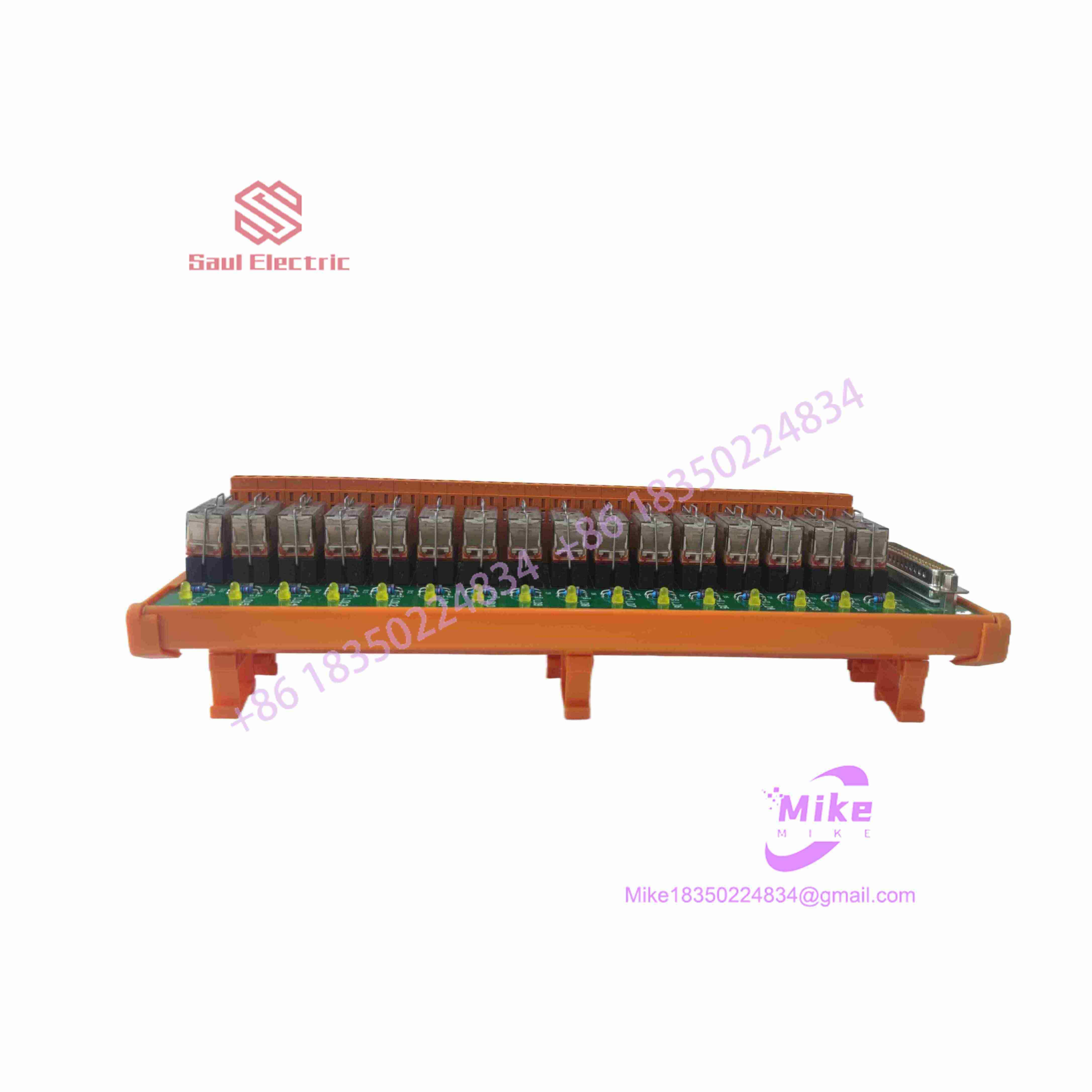
1134860000
Key Technical Specifications
| Parameter | Specification |
| Manufacturer | Weidmuller |
| Part Number / Order Number | 1134860000 |
| Module Designation | RSMB-16R0AD-XLSXM2BFB |
| Product Family | Industrial Interface & Termination Boards |
| Mounting Type | Panel / DIN-Rail Mount Enclosure Integration |
| Operating Temperature | -25°C to +50°C |
| Storage Temperature | -40°C to +70°C |
| Relative Humidity | 5% to 95% non-condensing |
Field Engineer’s Pitfall Guide (Unique Value)
- Terminal Over-Torque Damage: Overtightening screw clamps on the interface block can strip threading or crush fine-stranded conductors, creating intermittent connection dropouts that are difficult to isolate.
- Mismatched Pre-Assembled Cables: Forcing incorrect multi-pin connector types onto the board edge can bend socket pins, resulting in erratic channel responses or complete loop communication failure.
- Unmanaged Panel Grounding: Failing to maintain a clean chassis ground connection across the mounting plate introduces common-mode noise across low-level signal loops.
QA & Testing SOP (Transparency)
- Visual & Origin Verification: Units are inspected under magnification for original Weidmuller markings, uncompromised solder traces, and clean connector pins.
- Continuity & Isolation Bench Testing: Automated test fixtures verify trace continuity across all pathways, dielectric strength, and isolation barriers to ensure zero short circuits.
- Functional Relay/Signal Check: Where applicable, active switching paths are tested under simulated load conditions to confirm proper contact closure and response time.
- Anti-Static Packaging: Post-testing, units are sealed inside multi-layer moisture-barrier static-shielding bags with protective cushioning to prevent transit damage.
Technical FAQ
- Can this interface board handle direct field power distribution? It is designed for signal routing and light switching control; always verify voltage and current limitations against the specific sub-component ratings before applying high loads.
- What causes intermittent signal loss on individual channels? This is typically driven by a loose wire clamp, oxidation on the connector pins, or minor vibration-induced loosening in the cabinet.
- Does the module require external configuration software? No. As a passive or electromechanical interface termination board, it relies entirely on physical wiring and system-side controller configuration.
- What warranty is provided with a surplus unit? Units carry a standard 12-month replacement warranty backed by comprehensive bench testing and verification.





