


Description
Waukesha Custom E740401 | Detonation Sensing Module, In Stock
Architect’s Product Breakdown
The Waukesha E740401 operates as a specialized engine protection and detonation sensing module designed for heavy-duty stationary industrial gas engines (such as those running on natural gas, landfill biogas, or propane). Integrated into Waukesha’s engine management and monitoring architecture, this module processes signals from cylinder-mounted piezoelectric or magnetic knock sensors, filtering out background mechanical noise to identify harmful engine detonation (knocking).
Upon detecting abnormal combustion pressures or detonation spikes, the module signals the primary engine control unit (ECU) or ignition system to retard timing or shut down the engine before thermal or structural damage occurs. Because industrial gas generation and compression setups rely on exact hardware compatibility, replacing a faulty unit requires matching the E740401 part number precisely and verifying sensor wiring harnesses.
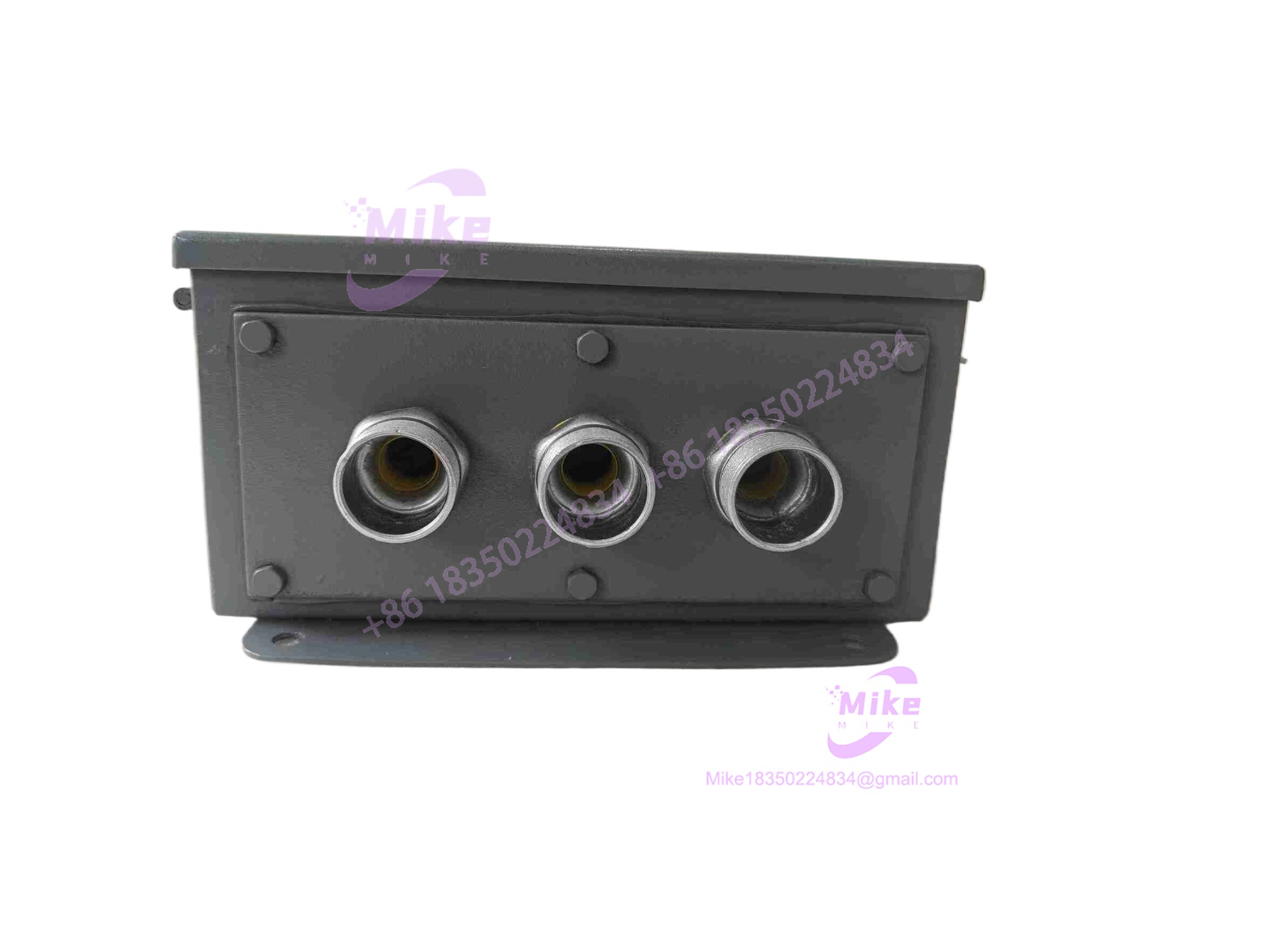
E740401
Key Technical Specifications
| Parameter | Specification |
| Series | Waukesha Custom Engine Control & Protection Line |
| Model / Part Number | E740401 |
| Function Type | Detonation Sensing / Knock Detection Control Module |
| Power Supply | Standard industrial control voltage (typically 24 VDC nominal) |
| Sensor Compatibility | Dedicated inputs for engine cylinder detonation / knock sensors |
| Enclosure & Mounting | Ruggedized industrial housing designed for heavy engine compartment environments |
| Operating Environment | Built to withstand high ambient temperatures, humidity, and continuous engine vibration |
Field Engineer’s Pitfall Guide
- WARNING: Unfiltered Ground Loops & EMI. Improperly grounded sensor shielding can introduce electrical noise from high-voltage ignition coils, causing false detonation triggers or masked knock warnings.
- WARNING: Vibration Isolation Failures. Mounting the module directly onto high-vibration engine blocks without proper dampening mounts can degrade internal circuit boards and trigger spurious fault codes.
- WARNING: Power Supply Fluctuations. Operating the unit outside its specified DC voltage range can cause microprocessor resets, leaving the engine unprotected against destructive detonation events.
- Field Anecdote: I remember a landfill gas generator plant experiencing unexpected emergency shutdowns because a replacement detonation sensing module was wired with unshielded signal cables, picking up severe electromagnetic interference from the main ignition harness.
QA & Testing SOP
- Visual & Mechanical Inspection: Inspect the outer housing, multi-pin connectors, and terminal pins for oil contamination, moisture ingress, corrosion, or physical cracks, confirming genuine Waukesha markings.
- Bench Power-Up & Current Draw: Mount the module on a test bench, supply nominal 24 VDC operating power, and monitor quiescent current draw to ensure stable internal power regulation.
- Signal Simulation & Response Verification: Inject simulated piezoelectric sensor pulses into the input channels to verify that the module accurately processes knock frequencies and triggers appropriate alarm or timing-retard outputs.
- Anti-Static & Protective Packaging: Wrap the module in anti-static cushioning and pack it tightly inside structural foam within a heavy-duty shipping container to prevent damage to connector pins during transport.
Technical FAQ
What is the primary function of the Waukesha E740401 module?
It monitors combustion signals from industrial gas engines to detect destructive knock (detonation), allowing the engine control system to adjust timing or shut down before mechanical damage occurs.
What types of engines use the E740401?
It is utilized across heavy-duty stationary industrial gas engines—such as those operating on natural gas, biogas, or digester gas in power generation and compression applications.
Is the still actively manufactured?
Original factory production for this specific legacy part number has largely concluded, but certified surplus units, used parts, and specialized component-level repair services are available through industrial automation suppliers.
What causes false detonation alarms on industrial gas engines?
False alarms are typically caused by loose sensor mounts, degraded or unshielded signal cables picking up ignition noise, or worn mechanical valve train components generating background vibration.





