

Description
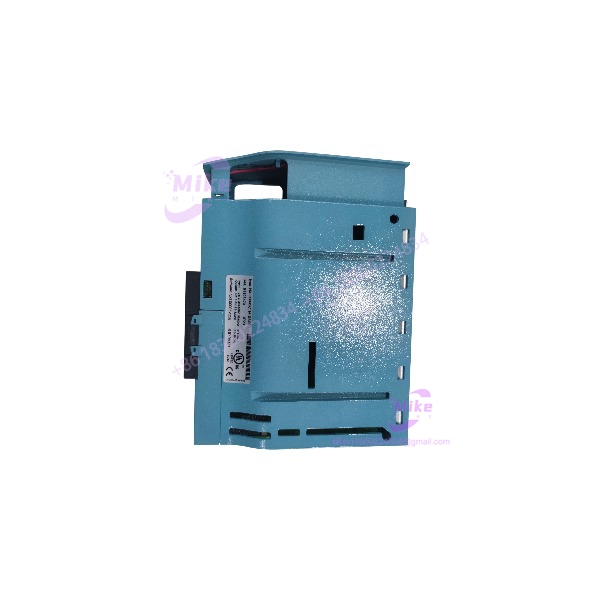
VACON NXL00045C1N1SSS00 1.5 kW AC Variable Frequency Drive
Product Introduction
In legacy motor-control systems, replacing a failed drive requires more than matching the power rating. Input voltage, rated output current, braking requirements, control wiring, and EMC provisions all affect whether a substitute can operate safely.
The VACON NXL00045C1N1SSS00 belongs to the NXL family of compact frequency converters. It varies motor speed by controlling the output frequency and voltage, allowing compatible AC motors to operate at adjustable speeds rather than running continuously at fixed mains frequency.
The model is listed at approximately 1.5 kW and 4.3 A. Its internal brake chopper can support a suitable external braking resistor where the application requires controlled deceleration, subject to the drive’s approved resistor specifications and operating limits.
This is a drive, not a standalone motor or PLC. Before ordering, verify that the replacement matches the original supply class and motor requirements, and determine whether external EMC filtering is necessary for the installation.
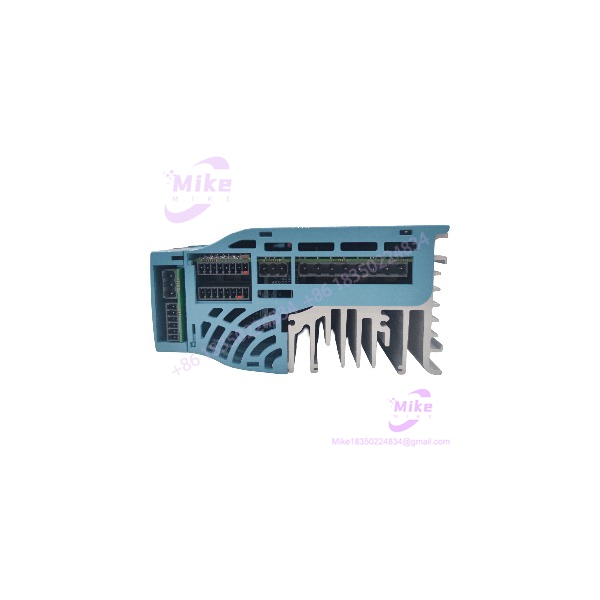
NXL00045C1N1SSS00
Key Technical Specifications
- Manufacturer: VACON
- Series: NXL (NX Light)
- Full model: NXL00045C1N1SSS00
- Device category: Variable frequency drive / frequency converter
- Input voltage class: 380–500 VAC
- Rated current: 4.3 A
- Listed motor power: Approximately 1.5 kW
- Control interface: Standard seven-segment keypad
- Enclosure: IP20
- EMC code: N; external EMC/RFI filtering may be required
- Brake chopper: Internal
- Hardware configuration: SSS, standard
- Factory-installed option boards: 00, no additional board indicated in the model code
- Cooling and installation clearances: Follow the NXL manual for the specific frame size
- Environmental limits: Verify the applicable manual and installation conditions
- Communication and I/O: Confirm the drive’s installed terminals and any optional boards before integration
The model code and family documentation support the main ratings above. Exact input-current limits, overload characteristics, output frequency range, and braking-resistor requirements should be checked in the applicable VACON NXL manual and nameplate.
Application Scenarios & Pain Points
Variable-speed motor control
The NXL drive can be used in suitable industrial applications where motor speed needs to change with process demand. Typical examples include conveyors, mixers, pumps, and fans, provided the motor and load fall within the drive’s ratings.
Legacy equipment repair
When an installed NXL drive fails, sourcing the exact model can reduce the risk of control-panel modifications. Check terminal assignments, parameter settings, mounting dimensions, and the motor’s current requirements before replacing the unit.
Controlled deceleration
The internal brake chopper may be useful where the load needs faster deceleration than a coast stop allows. The braking resistor must be correctly specified, wired, and protected according to the manufacturer’s documentation.
Energy and process control
Reducing motor speed can lower energy consumption in certain variable-torque applications, especially fans and pumps. Actual savings depend on the process, motor, control strategy, and operating profile.
Important limitation: The IP20 enclosure is intended for installation inside a suitable electrical cabinet or protected location. It does not provide protection against water jets or direct exposure to dust and moisture.
QA & Live Testing SOP
- Verify the nameplate: Confirm the complete NXL00045C1N1SSS00 model code, voltage class, rated current, and serial information.
- Inspect the housing: Check for impact damage, contamination, corrosion, loose terminals, and signs of overheating.
- Check the power section: Qualified personnel should inspect terminals and accessible components using the manufacturer’s safety procedures.
- Verify the motor: Confirm motor voltage, rated current, connection arrangement, and compatibility with the drive output.
- Review braking requirements: If a braking resistor is needed, verify its resistance, power rating, duty cycle, and installation requirements from the applicable manual.
- Check EMC provisions: Determine whether an external EMC/RFI filter and appropriate cable shielding and grounding are required.
- Inspect control wiring: Confirm digital and analog I/O assignments, start/stop commands, speed references, and any interlocks.
- Test under controlled conditions: Run the drive first with a safe test setup and conservative settings. Check direction, current, acceleration, deceleration, alarms, and motor behavior.
- Document acceptance: Record the model and serial numbers, test results, configuration changes, and final commissioning status.
Safety note: A VFD can retain hazardous DC-bus voltage after incoming power is disconnected. Isolate the supply, follow the manufacturer’s discharge waiting period, and verify absence of voltage before handling internal components.
Field Engineer’s Pitfall Guide
- Mistaking the voltage class: The digit
5in this model’s code denotes the 380–500 VAC class. Do not substitute a 200–240 VAC model based on a similar current rating. - Ignoring the EMC code: The
Ndesignation means the drive does not provide the specified integrated EMC emission protection. Check the need for an external filter and the installation’s compliance requirements. - Assuming the internal brake chopper includes a resistor: The chopper is a drive function; a suitable external braking resistor may still be required.
- Sizing only by kilowatts: Compare motor nameplate current, overload demand, and duty cycle, not just motor power.
- Overlooking parameter backup: Record existing settings before replacing a failed drive. Motor data, ramp times, I/O assignments, and interlocks may be application-specific.
- Ignoring cabinet conditions: Confirm ventilation, clearances, ambient temperature, and contamination levels against the manufacturer’s manual.
- Skipping functional testing: A drive that powers up is not necessarily ready for service. Verify control commands, motor response, and protective functions before returning the machine to production.
Intent-Driven FAQ
Q1: What is the VACON NXL00045C1N1SSS00?
It is a VACON NXL-series AC variable frequency drive intended for variable-speed motor control.
Q2: What is its input voltage?
The model code indicates the 380–500 VAC voltage class. Verify the nameplate and local supply conditions before installation.
Q3: What is its rated current and power?
Distributor specifications list approximately 4.3 A and 1.5 kW. Actual motor suitability depends on the motor nameplate, overload profile, and application requirements.
Q4: Does it include a braking function?
The 1 brake-chopper code indicates an internal brake chopper. A separate braking resistor may be required, depending on the application.
Q5: Does it have an integrated EMC filter?
The N in the type code indicates no specified integrated EMC emission protection. Check the manual to determine the external filter and installation provisions needed for the application.
Q6: Can I replace it with another VACON NXL drive?
Only after comparing voltage class, rated current, enclosure, brake-chopper configuration, EMC requirements, I/O and communication options, and mounting dimensions. A similar model number does not guarantee direct interchangeability.
Q7: What should I request when sourcing a used unit?
Ask for clear nameplate photographs, confirmation of the complete model code, condition details, power-on and functional test evidence, warranty terms, and a return policy.
Q8: What is the main replacement risk?
The most important initial checks are voltage class, current rating, braking requirements, and control configuration. Confirm those before purchasing or energizing the drive.
Procurement recommendation: The VACON NXL00045C1N1SSS00 is a legacy drive model suited to maintenance and replacement needs where the existing application matches its electrical and control configuration. Verify the full nameplate and installation requirements before committing to a replacement.





