

Description
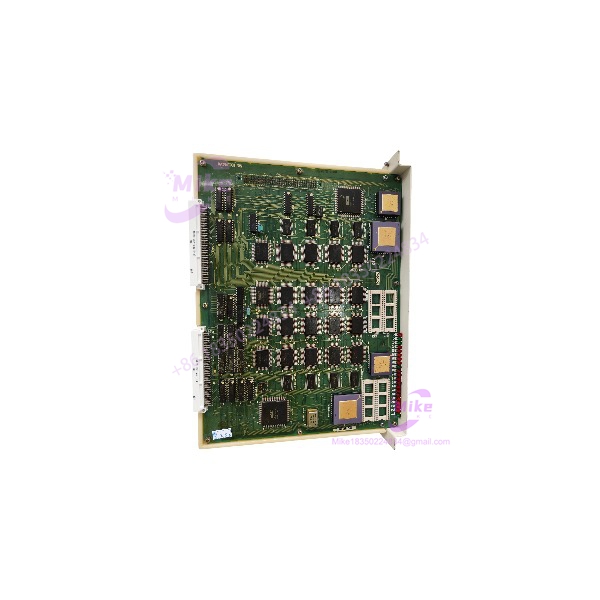
Toyoda TP-2373-6 | CNC Machine Operator Interface Board
Dynamic Product Introduction
Nothing stalls an automotive powertrain machining cell faster than a dead operator station or unresponsive cycle-start matrix on a Toyoda horizontal machining center. Because high-production FH and FA series centers rely on dedicated machine-side interface PCBs to bridge tactile operator switches, spindle override selectors, and safety interlocks with the main Toyopuc PLC, a failed optocoupler or corroded trace on the Toyoda TP-2373-6 stops production dead in its tracks—even when the main CNC rack shows zero servo alarms.
Unlike generic off-the-shelf PLC I/O bricks that require extensive ladder logic remapping and custom terminal wiring, this OEM-engineered circuit board plugs straight into the existing machine harness inside the operator pendant or electrical cabinet. By handling matrix switch debouncing, LED status driving, and galvanic isolation directly on the board, the TP-2373-6 restores full manual and automatic cycle control without altering machine parameters or ladder memory.
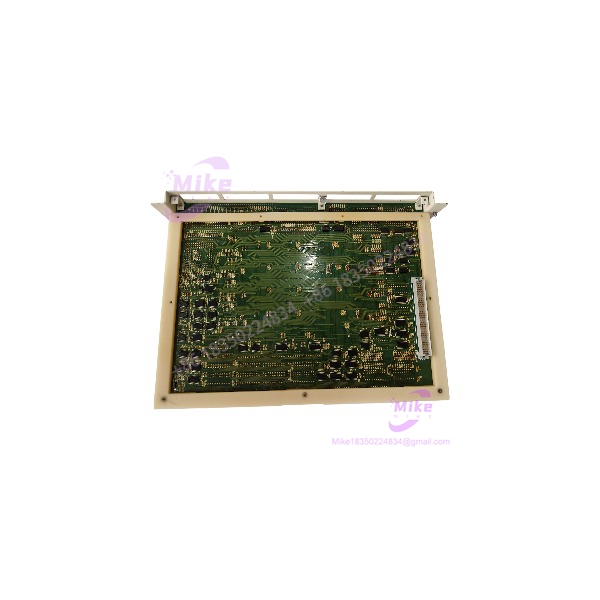
TP-2373-6
Key Technical Specifications
- Part Number / Model: TP-2373-6
- OEM Brand & Origin: Toyoda Machinery / JTEKT Corporation (Made in Japan)
- Compatible Machine Series: Toyoda FH / FA / FV Machining Centers and Cylindrical Grinders (Toyopuc PC2 / PC3 / GC-Series Controls)
- Board Function: Operator Control Panel & Discrete Machine I/O Interface PCB
- Logic Supply Voltage: 24 VDC nominal (regulated control bus)
- I/O Signal Architecture: Opto-isolated 24 VDC sink/source discrete inputs and transistor-driven status lamp/LED outputs
- Connector Interfaces: Multi-pin keyed ribbon cable headers and locking wire-to-board harness plugs (Honda / JST / Molex industrial series)
- Onboard Diagnostics: Surface-mount status LEDs and test-point pins for 24 VDC rail and bus communication verification
- Mounting Style: Open-frame PCB with brass/nylon standoff mounting holes for pendant or control cabinet subplate installation
- Operating Environment: 0°C to 55°C (32°F to 131°F), sealed electrical enclosure, non-condensing coolant-mist protected cabinet
- Compliance: JIS / CE Industrial Machine Tool Electrical Standards
Global Sourcing & Live-Test SOP (Transparency Core)
Coolant mist, fine cast-iron dust, and oil vapor are the sworn enemies of machine-tool pendant boards—buying an untested surplus PCB pulled straight from a scrapped machining center often means inheriting microscopic conductive whiskers or degraded optocouplers. Every Toyoda TP-2373-6 in our stock undergoes a strict four-stage bench validation workflow before dispatch:
- Inbound Verification: Receiving engineers inspect the solder mask and copper traces under high-magnification lighting for coolant-induced corrosion, lifted pads, or amateur soldering rework, while verifying authentic Toyoda Japan PCB silkscreening (
TP-2373-6) and factory component date codes. - Live Simulation: We mount the TP-2373-6 onto our test fixture connected to a regulated 24 VDC bench power supply and a Toyopuc I/O bus simulator.
- Diagnostics: Using a calibrated Fluke true-RMS multimeter and logic analyzer, technicians verify quiescent current draw on the 24 VDC logic rail, inject simulated 24 VDC switch-matrix signals across every input channel to confirm crisp optocoupler switching, and load-test all output driver transistors to verify zero leakage current—followed by a 24-hour thermal stability burn-in at 50°C.
- Final Prep: After passing functional and thermal verification, engineers clean all gold-plated header pins with precision contact cleaner, inspect every DIP switch and jumper post, log QA test metrics on the traveler sheet, and heat-seal the TP-2373-6 inside a static-shielding ESD bag with fresh desiccant.
The Field Engineer’s Pitfall Guide
❗ Overlooking PCB Revision Suffixes & Onboard Jumper / DIP Switch Settings Toyoda frequently issued minor hardware revisions of the TP-2373-6 across different machine vintages, occasionally changing resistor packs or onboard jumper pin positions (JP1, JP2, etc.) to accommodate different operator pendant layouts. Honestly, I have seen maintenance techs bolt in a replacement board only to find their feedrate override rotary switch reads backward or half the cycle buttons remain dead because they didn’t copy the exact jumper shunts and DIP switch positions from the faulted PCB. Photograph both sides of your original board at high resolution before unplugging a single connector.
❗ Forcing Inverted Ribbon Cables or Unseated Wire-to-Board Plugs Inside the cramped rear housing of a Toyoda swivel operator pendant, multi-pin ribbon headers and JST/Honda wire-to-board connectors sit packed tightly together. Plugging a ribbon cable in offset by one pin—or failing to seat a locking tab until it clicks—can immediately short the 24 VDC sensor rail to a logic ground trace and blow the onboard protective fuse or driver IC. Label every harness plug with its exact silkscreen designator (CN1, CN2, CN3) before removal.
❗ Ignoring Underlying 24 VDC Short Circuits in Pendant Pushbuttons or Coolant-Soaked Harnesses A burnt trace or blown transistor driver on your original Toyoda TP-2373-6 is frequently a symptom rather than the root cause. When cutting fluid penetrates a worn membrane switch or chafed pendant umbilical cable, it shorts 24 VDC directly across an input or lamp-driver pin—meaning your brand-new replacement PCB will suffer the exact same failure the moment you power up the machine. Always ohm out suspicious pushbutton circuits and inspect pendant flexible conduit for coolant ingress before energizing the new board.
Intent-Driven FAQ
Will replacing the Toyoda TP-2373-6 erase my CNC part programs, tool offsets, or Toyopuc PLC ladder logic? No. The TP-2373-6 is strictly a hardware interface and signal-conditioning circuit board; all NC part programs, pitch-error compensation tables, tool life data, and Toyopuc ladder programs reside inside the main CNC rack’s battery-backed SRAM and flash memory. Once you transfer any DIP switch or jumper settings and reconnect the harnesses, your machine retains its complete configuration.
Do I need to install any software or flash firmware onto a replacement TP-2373-6? No. Because the TP-2373-6 utilizes discrete logic, optocouplers, and matrix multiplexing rather than user-programmable flash firmware, it functions as a hardware drop-in replacement once the physical jumper pins and DIP switches match your original board.
How can I tell if my machine fault is caused by the TP-2373-6 or the main Toyopuc PLC rack? If the main CNC screen boots normally without system CPU alarms, 24 VDC power is confirmed present at the operator pendant power plug (CN1), yet multiple pushbuttons, selector switches, or panel indicator lamps fail simultaneously—or if status LEDs on the TP-2373-6 fail to illuminate—the fault is almost certainly isolated to the TP-2373-6 interface board or its connecting serial/ribbon trunk cable.
What is the exact difference between the TP-2373-6 and other Toyoda TP-2373-x boards? In Toyoda’s PCB numbering scheme, the base TP-2373 designates the core circuit family, while the trailing dash number (-6 vs. -4 or -5) specifies the exact copper layout, connector population, and hardware revision engineered for specific machine models and pendant configurations. You should always match the complete TP-2373-6 part number rather than substituting a different dash suffix.
What is the current availability and warranty for a replacement Toyoda TP-2373-6? Because legacy Toyopuc PC2/PC3 and early GC-series machine tool electronics have transitioned into mature support status with long OEM import lead times from Japan, live-tested, pin-verified surplus TP-2373-6 boards are stocked by specialized CNC and industrial automation suppliers for rapid 24-hour dispatch backed by a 1-year functional replacement warranty.