


Description
Sigmatek DCP161 | DIAS Central Processing Unit Core Category
Dynamic Product Introduction
Replacing high-performance processor modules in complex machine automation lines requires exact hardware compatibility to prevent communication bottlenecks and system faults. Honestly, the Sigmatek DCP161 solves this challenge directly by delivering native processing power and backplane integration engineered specifically for Sigmatek DIAS control environments. This controller handles execution loops and peripheral coordination reliably without introducing network lag (—though verifying your exact firmware revision and project software compatibility beforehand is critical). Compared to generic alternatives, the Sigmatek DCP161 preserves rack-level hardware integrity and software mappings, preventing costly commissioning delays during scheduled maintenance windows.
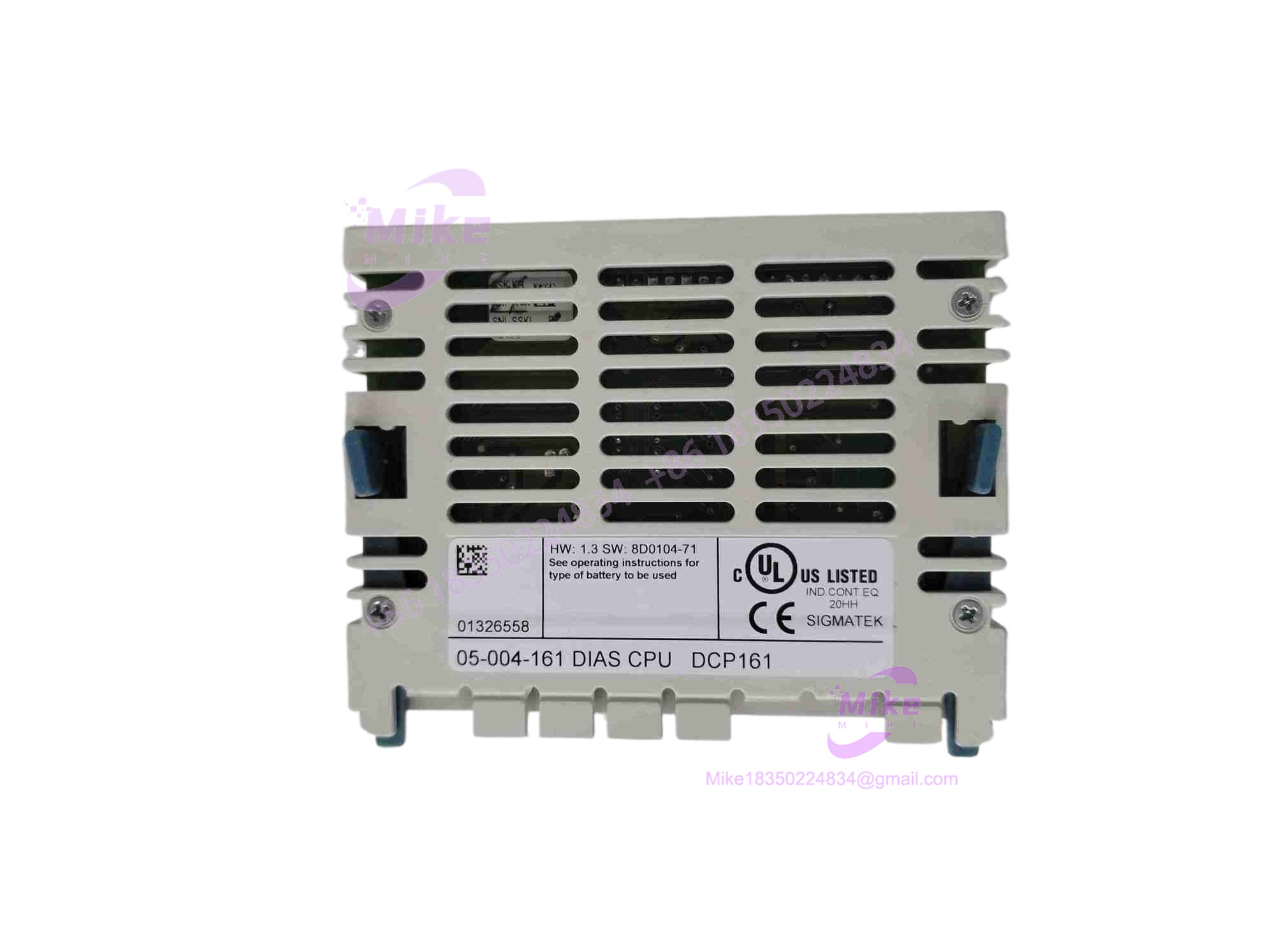
DCP161
Key Technical Specifications
| Specification | Parameter Value |
| Product Series | Sigmatek DIAS Automation Line |
| Module Designation | Central Processing Unit / Controller (Model DCP161) |
| Core Architecture | High-speed industrial processor and logic layout |
| Communication Interface | Dedicated high-speed backplane and field bus ports |
| Operating Temperature | 0°C to 50°C industrial standard compliance |
| Enclosure Rating | IP20 open-type internal rack module |
| Mounting Style | Modular rack/backplane slot mounting format |
| Diagnostics | Onboard status LEDs for power, system status, and communication health |
Global Sourcing & Live-Test SOP (Transparency Core)
Acquiring secondary-market industrial processor units requires stringent hardware validation to ensure onboard microprocessors, memory banks, and communication transceivers remain entirely uncompromised. For every inbound Sigmatek DCP161 unit, our audit team logs serial numbers against global OEM traceability ledgers and inspects backplane gold-finger pins for oxidation, pitting, or warping.
Once cleared, the module is mounted onto an active Sigmatek DIAS test rig. Technicians execute a full system boot handshake, verify memory register stability, test data packet transmission integrity across the communication ports, and run a 24-hour thermal burn-in cycle. The unit is then cleaned, fitted with fresh desiccant, and sealed inside an anti-static moisture-barrier bag.
The Field Engineer’s Pitfall Guide
❗ Hot-Plugging Backplane Damage: Inserting or extracting the DCP161 module while the rack power supply is energized can short internal logic circuits or corrupt system backplane data. Always drop local rack power before servicing.
❗ Firmware & Software Mismatches: Dropping a replacement processor with an incompatible firmware version into an active rack without updating project software can prevent system bootup. Always verify software version matching.
❗ Improper Seating Force: Forcing the module into the backplane slot without aligning the guide rails can bend delicate contact pins, leading to intermittent communication failures or card non-detection.
Intent-Driven-FAQ
- Will replacing the Sigmatek module erase my application program?
Application logic and user programs typically reside in removable storage media or are downloaded from the engineering software, though verifying configuration backups prior to swap is essential.
- Is the directly compatible with all Sigmatek DIAS racks?
Compatibility depends strictly on your exact system architecture, bus configuration, and software generation; always cross-reference part number with your parts manual.
- What type of warranty covers surplus Sigmatek processors?
Verified secondary-market inventory includes a comprehensive 1-year operational warranty backed by our pre-shipment communication and burn-in test logs.
- Can I repair internal component faults on this processor board myself?
Component-level repair is strongly discouraged due to multi-layer surface-mount architecture and proprietary firmware; always rely on certified service depots.
- How do I verify if a replacement unit has been bench-tested?
Look for serialized QA verification stickers, clean unmarred connector pins, and accompanying test reports included in the packaging.





