

Description
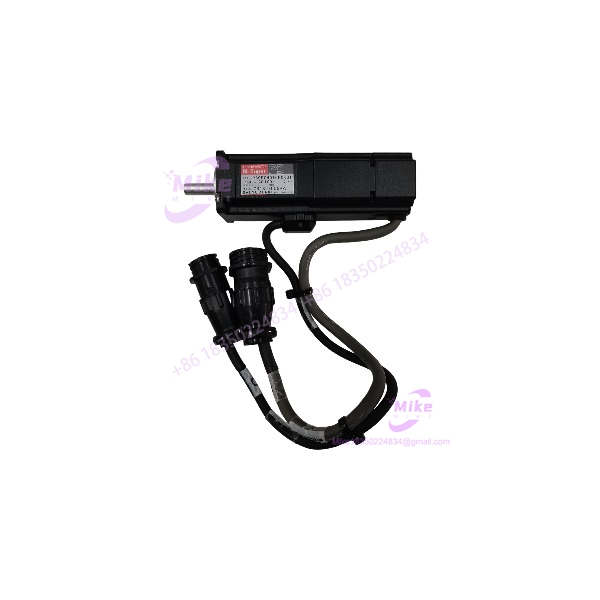
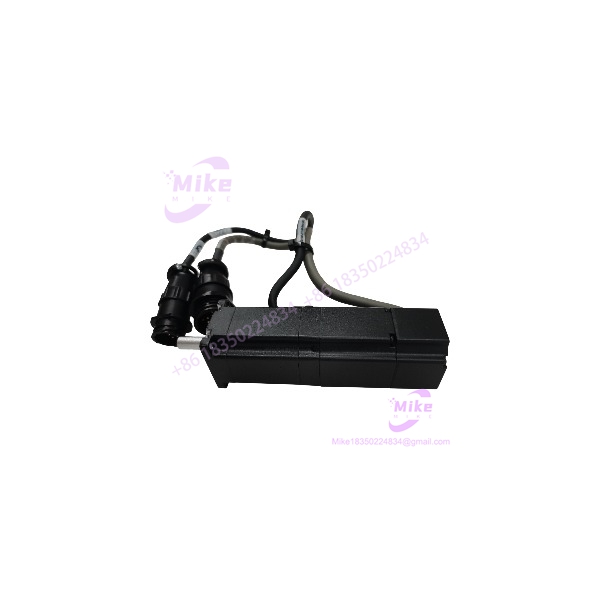
SANYO DENKI P30B04010PCKSTA01 100W AC Servo Motor
Product Introduction
In compact automation equipment, a servo motor’s electrical interface and feedback configuration can be just as important as its power rating. The P30B04010PCKSTA01 is associated with Sanyo Denki’s P3 Super BL brushless servo motor family, designed for controlled motion using a compatible servo amplifier and feedback system.
The model is also advertised as an Applied Materials (AMAT) replacement or equipment-associated motor, with supplier listings showing reference number 0190-27188-002. This cross-reference is useful when maintaining semiconductor manufacturing equipment, but it should be verified against the equipment’s original bill of materials before purchase.
For maintenance teams, the priority is to preserve the original system configuration. A motor with the same rated output but a different encoder, brake arrangement, shaft, or connector may not be a drop-in replacement.
P30B04010PCKSTA01
Key Technical Specifications
| Parameter | Specification |
|---|---|
| Manufacturer | SANYO DENKI |
| Full model number | P30B04010PCKSTA01 |
| Related designation | P30B04010PCKST |
| Product family | P3 Super BL |
| Motor type | Brushless AC servo motor |
| Rated output | 100 W |
| Rated voltage | 100 VAC |
| Rated current | 2.7 A, as reported by supplier listings |
| Rated speed | 3,000 RPM |
| Maximum speed | 4,500 RPM, per P3 family documentation |
| Rated torque | 0.32 N·m, per P3 family documentation |
| Holding brake | Listed for the related PCKST model |
| Brake supply | 24 VDC, reported by supplier listings |
| Shaft diameter | 8 mm, reported for the P30B04010 frame |
| Encoder type and resolution | Verify the exact configuration |
| Equipment cross-reference | AMAT 0190-27188-002, as shown in a supplier listing |
| Drive compatibility | Must be verified against the original amplifier and feedback interface |
Sources:
Specification note: Some values come from the broader P30B04010 family documentation rather than a complete manufacturer datasheet for the full PCKSTA01 suffix. Treat the nameplate and applicable OEM documentation as authoritative.
Application Scenarios & Pain Points
- Semiconductor equipment maintenance: Potential replacement sourcing where the AMAT cross-reference is confirmed against the installed assembly.
- Precision motion control: Servo-driven positioning axes requiring controlled speed and repeatable movement.
- Compact automation machinery: Small mechanisms with frequent acceleration, deceleration, and indexing cycles.
- Brake-equipped axes: Applications requiring a holding function when the motor is stopped, subject to the brake’s rated use.
- Legacy equipment support: Maintenance of installed P3-series motion systems where preserving the existing amplifier and wiring is preferred.
Common service issues include encoder alarms, inconsistent positioning, excessive motor temperature, abnormal vibration, and failure to hold a stationary load. These symptoms can arise from the motor, brake circuit, feedback cable, servo amplifier, or mechanical load; replacing the motor without checking the full system can lead to repeat failures.
QA & Live Testing SOP
- Verify the complete part number. Check the label for
P30B04010PCKSTA01and record the serial number and any AMAT reference. - Inspect physical condition. Examine the shaft, mounting face, housing, connectors, and cable exits for damage or evidence of repair.
- Confirm electrical compatibility. Verify the 100 VAC motor configuration against the intended servo amplifier. Do not substitute a 200 V-class motor based solely on the 100 W rating.
- Verify the feedback interface. Confirm encoder type, resolution, wiring, and drive support using the original documentation.
- Check the holding brake. Confirm the brake supply requirements and wiring. Test release and holding behavior using the approved procedure.
- Perform electrical tests. Qualified personnel should check winding integrity and insulation using manufacturer-approved methods. Avoid applying unsuitable high-voltage tests to encoder electronics.
- Run a controlled motion test. With the correct drive and a safe test setup, verify direction, feedback operation, smooth rotation, and abnormal noise.
- Check mechanical behavior. Inspect for bearing noise, excessive vibration, shaft play, and abnormal temperature rise under appropriate conditions.
- Document acceptance results. Record test conditions, measured values, brake performance, feedback behavior, and any limitations.
For surplus or refurbished stock, request test records tied to the exact motor serial number. A seller’s generic statement that the motor is functional does not confirm brake or encoder performance.
Field Engineer’s Pitfall Guide
- Confusing the full and shortened model numbers:
P30B04010PCKSTA01andP30B04010PCKSTappear together in supplier listings, but verify the complete suffix on the actual unit. - Ignoring the voltage class: The listed PCKST variant is 100 VAC. Matching only the output wattage is insufficient.
- Assuming all encoders are identical: Verify feedback type and resolution before configuring the servo amplifier.
- Overlooking the brake circuit: The related PCKST model is listed with a 24 VDC holding brake. Check its supply and control wiring separately from motor power.
- Treating the AMAT reference as universal interchangeability: Confirm
0190-27188-002against the specific equipment assembly and revision. - Using the holding brake for dynamic stopping without approval: Confirm the manufacturer’s permitted brake duty before using it to stop a moving load.
- Skipping mechanical checks: Shaft, mounting, coupling, and load differences can cause installation problems even when the electrical ratings match.
Intent-Driven FAQ
Q1: What is the SANYO DENKI P30B04010PCKSTA01?
It is a P3 Super BL brushless AC servo motor listed with a 100 W output rating, 100 VAC supply class, and 3,000 RPM rated speed.
Q2: Is the same as P30B04010PCKST?
Supplier listings associate the two designations. Verify the complete suffix, nameplate, and equipment documentation before assuming the shorter designation is an exact substitute.
Q3: What is the rated torque?
P3 family documentation lists approximately 0.32 N·m for the P30B04010 motor size. Confirm the value against the specific motor documentation before using it for load calculations.
Q4: Does this motor have a holding brake?
The related PCKST configuration is listed with a holding brake and a 24 VDC brake supply. Verify the installed motor’s label and wiring before connecting it.
Q5: Is it associated with Applied Materials equipment?
A supplier listing cross-references the motor to AMAT part number 0190-27188-002. Confirm that reference against the actual equipment model and assembly before ordering.
Q6: Can it replace another 100 W servo motor?
Not automatically. Confirm voltage, amplifier compatibility, feedback type, brake configuration, shaft dimensions, and mounting requirements.
Q7: What should buyers request when sourcing surplus stock?
Ask for a clear nameplate photo, serial number, condition declaration, encoder and brake test results, warranty terms, and confirmation of the exact supplied part number.





