

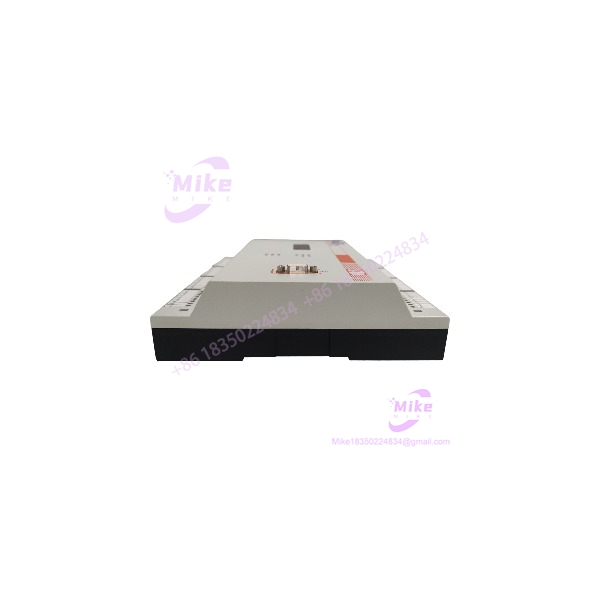
Description
Saia Burgess PCD2.M110 | PLC CPU Module Key Spec Data
Architect’s Product Breakdown
The Saia Burgess PCD2.M110 operates as a core processing node within modular automation architectures, combining local I/O handling with flexible communication capabilities. In distributed control applications where panel space is at a premium, this processor model delivers reliable logic execution without requiring extensive physical footprints. The base unit accommodates up to 8 direct plug-in I/O modules, supporting expansion options for digital, analog, and specialty channels.
Deploying or replacing this specific processor model requires careful attention to backplane slot alignment and memory backup status. When executing legacy upgrades or maintenance swaps, engineers must verify that the compiled program binary matches the 128 KB RAM and onboard battery/storage configurations. Neglecting to verify firmware revisions or communication port settings (such as PGU RS-232/RS-485 interfaces) can lead to handshake timeouts and unhandled communication faults on the network bus.
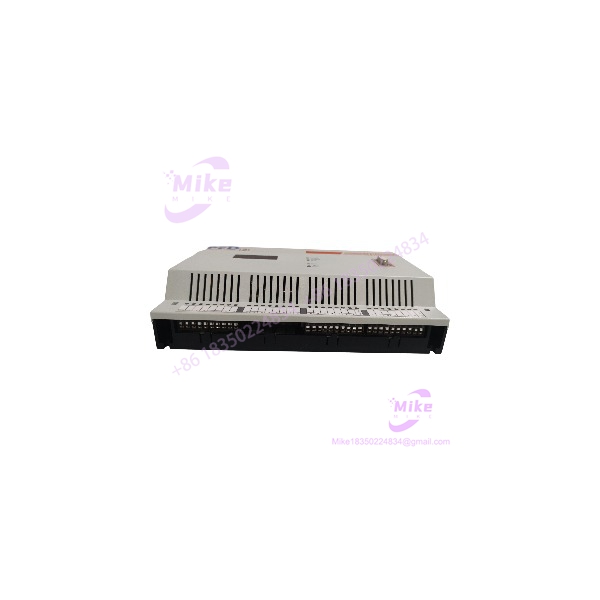
PCD2.M110
Key Technical Specifications
- Manufacturer: Saia Burgess Controls (Honeywell / Johnson Electric)
- Product Category: PLC Processor Unit / CPU Module
- Part Number / Catalog No.: PCD2.M110
- User Program Memory (RAM): 128 KB
- I/O Module Capacity: 8 plug-in module sockets on base unit (expandable locally)
- Nominal Supply Voltage: 24 VDC (with internal power distribution)
- Communication Interfaces: PGU interface (RS-232 / RS-485), socket A for option modules (PCD7.F1xxS), socket B for internal bus expansion
- Operating Temperature Range: 0°C to +55°C (standard industrial threshold)
- Relative Humidity Limit: 10% to 85% (non-condensing)
- Mounting Type: DIN Rail / Panel Mount enclosure
- Weight: Approximately 1.2 kg to 1.3 kg
Field Engineer’s Pitfall Guide (Unique Value)
- Neglecting Battery Backup State: If the internal backup battery fails or is left disconnected during a power outage, volatile RAM memory contents will clear. Always verify battery voltage before cycling power on a legacy controller.
- Pin Strain on PGU Connector: Forcing a legacy programming cable onto the front D-Sub PGU port can bend internal socket pins. Always align the connector carefully and secure locking screws by hand.
- Overlooking I/O Bus Address Jumps: I’ve seen maintenance teams spend hours troubleshooting silent I/O faults after swapping a processor model because they omitted required address configuration jumpers on the replacement base rack.
QA & Testing SOP (Transparency)
- Visual & Origin Verification: Units undergo physical inspection to verify OEM markings, manufacturing date codes, and structural integrity of plastic latching tabs and connector pins.
- Live Test Bench Environment: Processor modules are mounted onto a validated PCD2 test rack powered by regulated 24 VDC supplies to evaluate thermal stability and internal bus communication.
- Memory & Communication Diagnostics: Technicians execute memory read/write verification routines and test serial handshake response across the PGU port to ensure zero data corruption.
- Anti-Static Packaging: Post-testing, units are wrapped in static-dissipative shielding material and packed with protective foam to prevent electrostatic discharge during transport.
Technical FAQ
Can I hot-swap the PCD2.M110 processor module while the control cabinet is powered?
No. Live replacement of the processor module risks shorting internal logic rails and can permanently damage backplane bus traces. Always de-energize the entire cabinet before servicing.
Does this controller retain user programs after a total power interruption?
User program execution relies on battery-backed RAM or inserted memory cards depending on configuration. Verify backup battery health to prevent logic loss during extended outages.
What causes communication timeout errors on the PGU port after replacement?
Timeout errors are typically caused by mismatched baud rate configurations, incorrect cable pinouts, or an unseated option module in socket A or B.
What is the standard warranty status for surplus inventory units?
Verified surplus or new-in-box processor modules typically carry a 12-month operational warranty covering material and manufacturing defects under normal industrial conditions.





