


Description
Reliance Electric 57C328 | Factory Sealed & In-Stock Inventory
Dynamic Product Introduction
Communication dropouts on legacy distributed control networks usually originate from failing backplane interface transceivers rather than corrupt application code. When an older AutoMax remote rack starts generating intermittent framing errors or losing node synchronization, tweaking network baud settings rarely solves the physical hardware fatigue. Deploying the Reliance Electric 57C328 addresses this network vulnerability directly, replacing aging interface cards with hardware engineered to maintain tight telegram timing.
In demanding plant migrations, swapping in this specific remote head stabilizes distributed polling rates without forcing a costly network topology rewrite. (Though verifying local rack power configurations prior to insertion remains non-standardized.) It handles heavy industrial electrical noise cleanly, preserving deterministic communication loops across legacy automation cells.
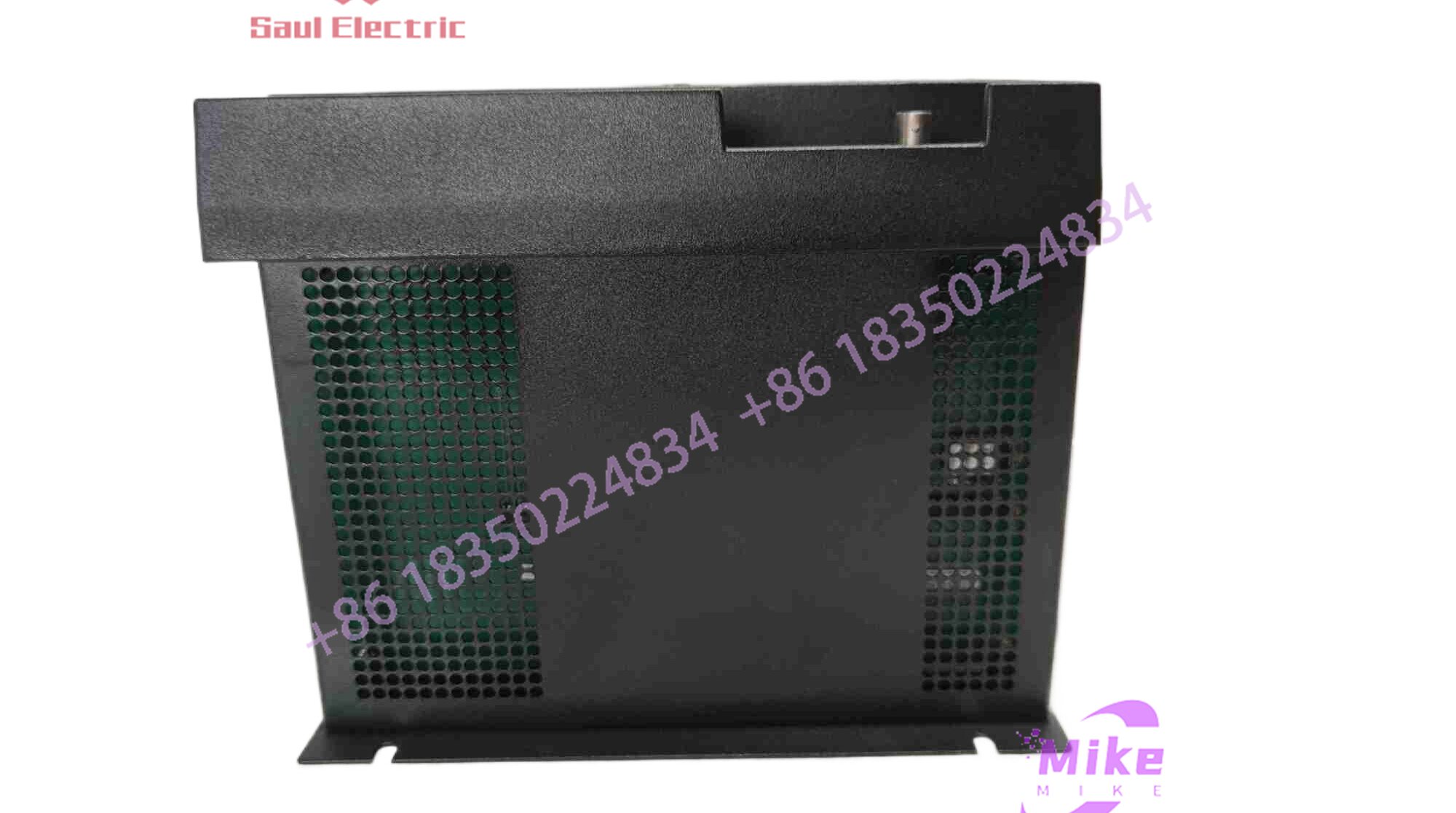
57C328
4. Key Technical Specifications
| Technical Parameter | Specification Detail |
| Device Category | Remote I/O Interface Head |
| Series Compatibility | Reliance Electric AutoMax System Architecture |
| Input Power Requirements | 120/240 VAC (47.5 to 63 Hz) |
| Contact Rating / Protection | 8A, 250 VAC |
| Communication Interface | RS-232 Support |
| Diagnostics | 7-segment fault code display and status LEDs |
| Power Holdup Time | 3 cycles |
| Physical Construction | Dual-PCB industrial module design |
Global Sourcing & Live-Test SOP (Transparency Core)
Sourcing legacy remote communication hardware requires strict diagnostic validation to guarantee seamless backplane integration.
- Inbound Verification: Incoming modules undergo comprehensive serial number tracking, OEM watermark verification, and anti-counterfeit checks against historical Reliance production logs.
- Live Simulation: Qualified interface heads are slotted into an active AutoMax test rack powered by a controlled AC supply to evaluate network polling loops and node handshakes.
- Diagnostics: Technicians execute continuous packet communication sweeps, power holdup verification, and thermal chamber stress tests to catch latent component drift.
- Final Prep: Connector edge fingers are cleaned and inspected for micro-corrosion, and the unit is sealed inside heavy-duty anti-static barrier packaging.
The Field Engineer’s Pitfall Guide
❗ AC Power Line Voltage Mismatch: Assuming an unverified module is strapped for your specific cabinet voltage can blow internal line fuses instantly. I once watched an installation crew lose precious commissioning hours because a unit was left configured for high-line voltage defaults. Always check transformer tap settings before energizing.
❗ Communication Termination Omissions: Failing to verify proper end-of-line termination resistors on the remote I/O link will cause recurring packet loss and node dropouts. Always check physical dip switches and jumper arrays to match your legacy network layout.
❗ Hot-Swapping Under Power: Sliding an interface head into a live, energized chassis risks backplane pin arcing and logic corruption. Always kill rack power and verify zero voltage state before seating modules.
Intent-Driven FAQ
Will this remote I/O head communicate natively with my existing AutoMax controller rack?
Yes, the 57C328 is designed specifically for the AutoMax architecture, maintaining register compatibility and remote drop protocol handshakes.
Are these units factory sealed or certified surplus stock?
We maintain strict inventories of both factory-sealed OEM surplus and fully recertified, bench-tested units. Each listing explicitly notes the condition tier to match your plant’s procurement rules.
What do the diagnostic LED codes indicate on startup?
The onboard 7-segment display and status indicators report power-rail health, communication link status, and specific fault codes detailed in manual J-3606 for rapid troubleshooting.
What kind of warranty coverage is included with this replacement part?
Every unit is backed by our comprehensive operational warranty, covering electrical health, communication interface stability, and component functionality from day one.
Can I mix discrete inputs and outputs on the same rack controlled by this head?
Yes, this specific interface version natively supports mixing input and output modules within the same rail configuration, streamlining layout flexibility.





