

Description
Powec PCU10.24 | Power System Monitoring Control Unit Specs
Architect’s Product Breakdown
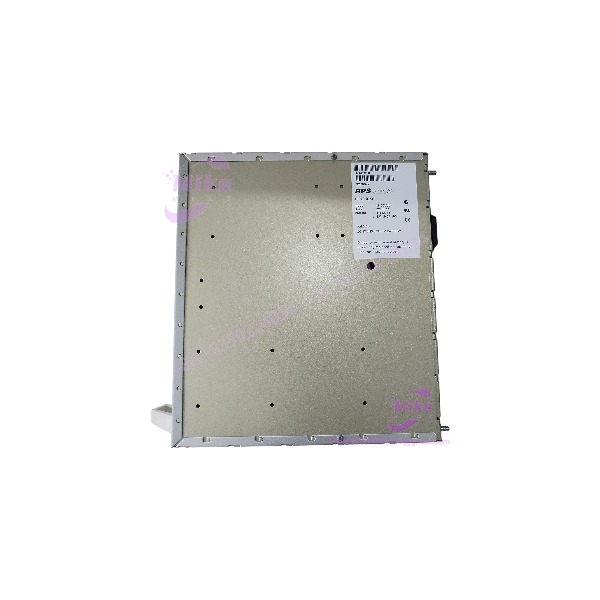
The POWEC PCU10.24 operates as a central supervisory controller within critical industrial and telecommunication DC power plants, designed to oversee multi-module rectifier arrays and battery charging banks. Providing real-time parameter tracking, floating bus voltage regulation, and environmental fault logging, this hardware model coordinates system redundancy and load sharing across connected power rectifiers. By processing internal telemetry, it ensures continuous uptime and prevents power failures in high-availability installations.
Deploying or replacing this model in an operational power rack requires careful parameter programming and baud rate synchronization with existing sub-modules. Because the unit communicates across proprietary internal control buses to manage live DC outputs, technicians must verify firmware revision compatibility before deployment. Replacing a legacy controller model without matching system configuration profiles can disrupt alarm thresholds and battery management charging curves, risking thermal runaway or unexpected load shedding.
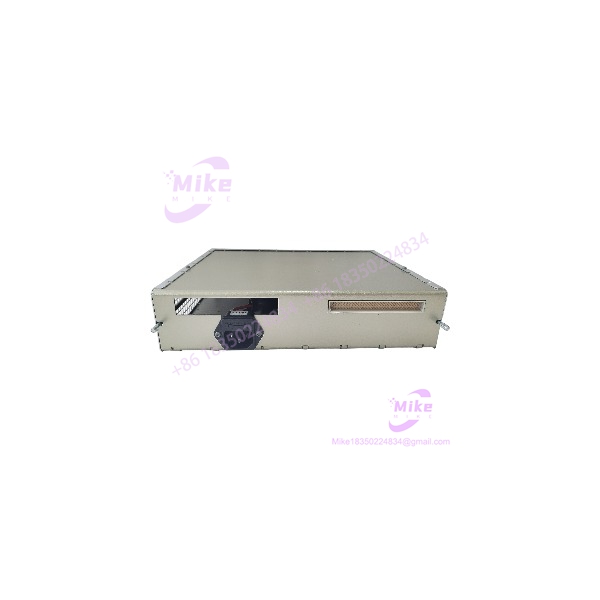
PCU10.24
Key Technical Specifications
- Manufacturer: POWEC
- Product Category: Power System Supervisory and Monitoring Controller
- Part Number / Catalog No.: PCU10.24 (Variant: PCU10.24-48D)
- Control Architecture: Microprocessor-based digital monitoring and logic control
- System Compatibility: Designed for POWEC industrial DC rectifier and battery plant systems
- Front Panel Interface: Integrated alphanumeric display and tactile operator control keys
- Monitoring Parameters: DC bus voltage, load current, battery temperature, and rectifier fault status
- Alarm Outputs: Potential-free relay contacts for remote major/minor fault signaling
- Communication Ports: Serial/bus interface for internal rectifier module communication
- Operating Power Input: Nominal 24 VDC or direct DC plant rail feed
- Operating Temperature Range: 0°C to +50°C
- Weight: Approximately 1.2 kg (2.65 lbs)
Field Engineer’s Pitfall Guide (Unique Value)
- Hot-Swapping Under Power: Never insert or remove the PCU10.24 control module while the main power distribution rack is active unless explicitly specified by the manufacturer’s backplane isolation design. Live insertion can cause logic bus lockups or corrupt non-volatile configuration memory.
- Mismatched Firmware Revisions: Swapping a failed controller with a unit carrying an incompatible firmware version can cause communication timeouts with connected rectifier modules, preventing proper voltage regulation and float-charge execution.
- Ignoring Battery Thermal Compensation Probes: Disconnecting or improperly seating the external battery temperature sensor during controller replacement disables thermal compensation, which can lead to overcharging and premature degradation of industrial lead-acid or nickel-cadmium battery banks.
QA & Testing SOP (Transparency)
- Visual & Origin Verification: Units undergo microscopic examination to verify clean connector pins, unblemished front display screens, intact internal coin-cell backup batteries, and authentic OEM labeling.
- Live Test Bench Environment: Controllers are seated in a dedicated DC power test fixture powered by regulated bench supplies to verify boot sequence execution, keypad responsiveness, and internal microcontroller health.
- Bus Communication & Alarm Relay Diagnostics: Technicians simulate various fault states (such as overvoltage, undervoltage, and rectifier dropouts) on the test rig to validate internal bus polling accuracy and ensure dry-contact alarm relays trip correctly.
- Anti-Static Packaging: Post-testing units are wrapped in multi-layer conductive ESD shielding bags and cushioned with high-density anti-static foam to protect sensitive logic components during transit.
Technical FAQ
Can I hot-swap the PCU10.24 module while the power system is running loads?
While some power racks support modular rectifier swapping, replacing the central control model often requires proper system shutdown or adherence to strict backup protocols to prevent loss of monitoring and control parameters.
What does the “-48D” suffix designate on related part variants?
The suffix typically denotes specific system configurations tailored for 48 VDC industrial and telecommunication power plants, matching internal voltage scaling parameters.
How are custom parameters and alarm thresholds restored after a controller replacement?
Configuration profiles can often be uploaded via the front panel keypad or transferred via a dedicated serial configuration interface if a backup file was previously saved.
What is the standard warranty status for surplus inventory units?
Verified surplus or refurbished industrial power modules typically carry a 12-month operational warranty covering material and manufacturing defects under standard operating conditions.





