

Description
Molex SST-PB3-PCIE-2 | 2-Channel PROFIBUS PCIe Card Key Spec Data
Architect’s Product Breakdown
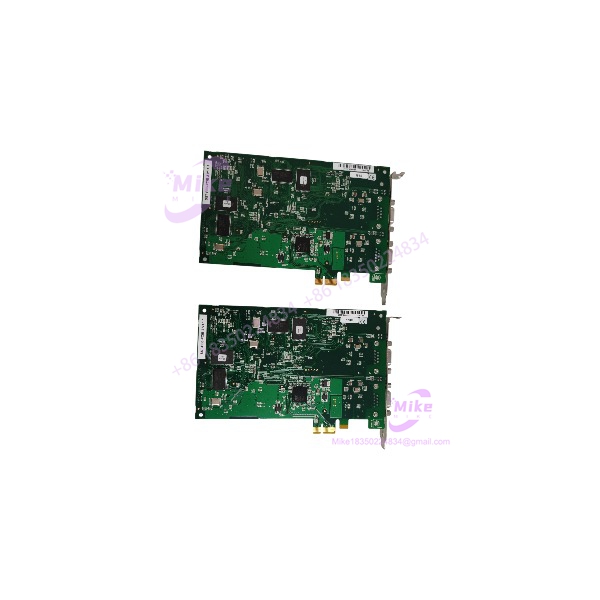
The Molex Brad SST-PB3-PCIE-2 operates as a high-performance network interface card within industrial PC-based control systems, connecting host computers directly to PROFIBUS DP field networks. In data-intensive manufacturing cells and supervisory stations, handling deterministic telegram execution without dragging down the host CPU is essential for keeping cycle times consistent. This communication model features an onboard co-processor that handles time-critical protocol tasks independently.
Integrating this card into industrial servers requires careful attention to PCIe slot availability and driver software stacks, including OPC DA, DLL, and CommDTM packages. When replacing older PCI-format network cards during system modernizations, engineers must verify that the host operating system architecture supports the specific 32-bit or 64-bit driver revisions required by the hardware. Proper shielding and proper grounding of the 9-pin D-Sub PROFIBUS connectors prevent common-mode electrical noise from corrupting high-speed telegram frames on the shop floor.
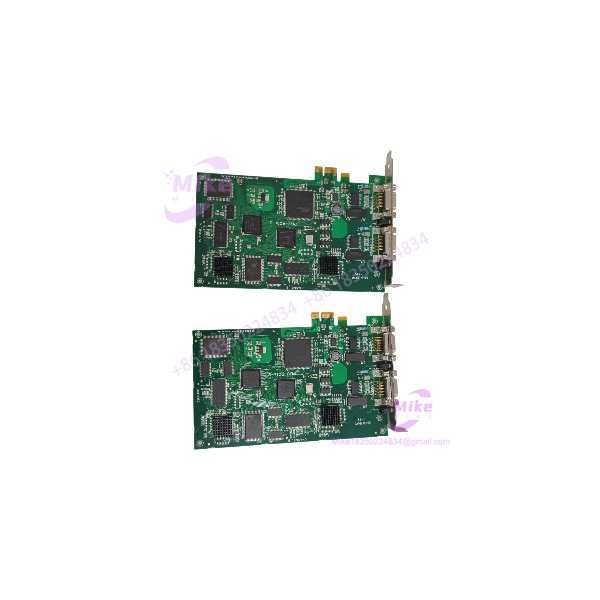
SST-PB3-PCIE-2
Key Technical Specifications
- Manufacturer: Molex (Woodhead / SST)
- Product Category: PROFIBUS Network Interface Card (NIC)
- Bus Format: PCI Express x1 (PCIe)
- Number of Channels: Two independent PROFIBUS channels
- Supported Protocols: PROFIBUS DPV0 Master, DPV0 Slave, DPV1 Master, and FDL (Layer 2)
- Data Transfer Rates: 9.6 kbps up to 12 Mbps (including 45.45 kbps)
- Power Supply / Isolation: 3.3 VDC from PCIe slot, 1000 VAC optical/galvanic isolation
- Operating Temperature Range: 0°C to +60°C (32°F to 140°F)
- Relative Humidity Limit: 5% to 95% (non-condensing)
- Physical Dimensions: Standard half-length PCIe card format
- Diagnostic Indicators: Integrated front-bracket status LEDs for system health, watchdog timer, and communication activity
Field Engineer’s Pitfall Guide (Unique Value)
- Neglecting Grounding and Shielding: Failing to tie the PROFIBUS cable shield to the metal D-Sub connector housing can introduce ground loops, leading to random CRC errors and intermittent telegram drops.
- Driver and API Version Conflicts: Upgrading the host operating system without updating the corresponding DLL or CommDTM driver stacks will break communication handshakes. Always verify software compatibility before deploying a replacement hardware model in production.
- Overlooking Termination Resistors: I have diagnosed numerous network failures where technicians omitted active termination power at the physical ends of the PROFIBUS trunk, resulting in signal reflections that crippled dual-channel data exchange.
QA & Testing SOP (Transparency)
- Visual & Origin Verification: Units undergo strict physical inspection to verify OEM manufacturing labels, holographic security tags, and gold-finger connector integrity.
- Live Test Bench Environment: Cards are seated in validation test servers running compatible operating systems to evaluate thermal and electrical stability under continuous polling loads.
- Loopback & Protocol Testing: Technicians execute multi-channel traffic generation tests across master and slave simulation nodes to verify zero packet loss at maximum 12 Mbps baud rates.
- Anti-Static Packaging: Post-testing, units are placed inside conductive shielding bags and packed with high-density protective foam to eliminate electrostatic discharge risks during transit.
Technical FAQ
Can I hot-swap the SST-PB3-PCIE-2 card while the host industrial PC is powered on?
No. Standard PCI Express motherboard slots do not support live hot-swapping. Power down the host computer entirely before installing or removing this interface card.
Does this card support simultaneous Master and Slave operation?
Yes. The architecture permits simultaneous execution of PROFIBUS DP Master, DP Slave, and FDL Layer 2 protocols across its independent channels.
What causes watchdog timeout indicators to trip on the bracket LEDs?
A watchdog timeout typically indicates a frozen host application, driver communication failure, or a complete loss of protocol execution on the onboard co-processor. Restart the application service or check driver logs.
What is the standard warranty status for surplus inventory units?
Verified surplus or new-in-box units typically carry a 12-month operational warranty covering material and manufacturing defects under standard industrial conditions.





