


Description
Metso Valmet A413654 | Central Controller Board Specs
Dynamic Product Introduction
Processor and network control unit failures in legacy distributed automation platforms can disrupt data flow across entire plant nodes, bringing operations to a costly halt. Sourcing reliable replacement boards during an unplanned outage eliminates the extensive downtime associated with manufacturer obsolescence cycles.
The Metso Valmet A413654 control module resolves this infrastructure challenge by supplying a precise, drop-in processing board engineered specifically for legacy Metso and Damatic control racks. Deploying this hardware re-establishes deterministic control loop execution and network traffic routing—though verifying firmware version alignment against your node configuration files remains essential prior to rack energization.
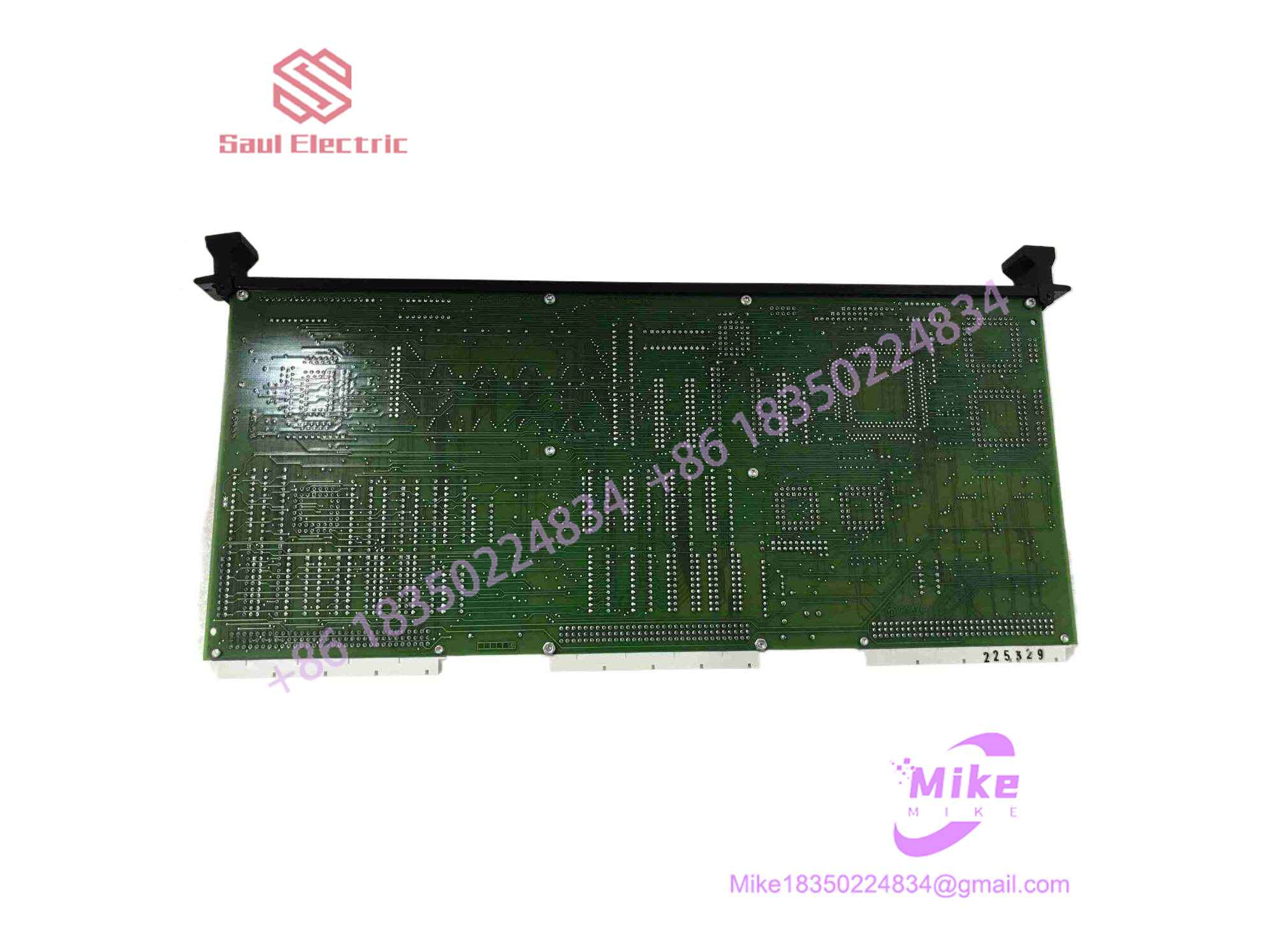
A413654
Key Technical Specifications
| Parameter | Specification Details |
| Module Classification | Central Control Unit (NCU) / Processor Module |
| System Compatibility | Valmet Damatic / Metso DNA process control architectures |
| Processing Core | High-speed real-time industrial processor |
| Bus Interface | High-speed internal rack backplane connector |
| Diagnostic Features | On-board status LEDs for system health and communication state |
| Operating Temperature | Heavy industrial rating (-20°C to +60°C) |
| Mounting Format | Proprietary rack-mount modular card slot |
Global Sourcing & Live-Test SOP (Transparency Core)
Deploying replacement processing hardware into active industrial control nodes requires rigorous verification protocols to eliminate latent trace degradation and communication errors.
- Inbound Verification: Incoming circuit boards undergo meticulous visual and optical inspections, evaluating edge-connector gold finger plating, surface-mount component integrity, and laser-etched OEM markers against historical build logs.
- Live Simulation: Technicians seat the module onto an authentic Valmet test rack to evaluate physical slot recognition, internal bus arbitration, and power regulation without throwing communication faults.
- Diagnostics: We execute multi-hour memory verification checks and network traffic simulation routines using specialized diagnostic tools to confirm register stability and packet throughput under load.
- Final Prep: Approved units are cleared of micro-contaminants, logged by hardware revision, and sealed inside vacuum-locked anti-static shielding bags to guarantee shelf-ready reliability.
The Field Engineer’s Pitfall Guide
❗ Firmware Revision Discrepancies: Swapping an older hardware revision card with an unaligned variant can cause system configuration software to reject the node during compilation. I’ve seen plant networks stall for hours because the engineering station demanded a matching hardware descriptor file.
❗ NVRAM Battery Depletion: Neglecting to check the on-board backup power cell on a surplus or stored processor board can lead to total loss of retentive memory parameters upon an ungraceful shutdown. Always verify voltage retention thresholds before installation.
❗ Backplane Insertion Force Errors: Forcing a board into a rack with unaligned guide slots can bend microscopic backplane pins, resulting in chronic communication dropouts that resist software-level diagnostics.
Intent-Driven FAQ
Will swapping the A413654 module erase my system control logic?
No. Core control logic, strategy configurations, and node databases reside within the central engineering system server or non-volatile memory layers rather than permanently locking to the processor card. Once seated, the module initializes and synchronizes with the network parameters.
Are these replacement boards brand new or refurbished?
Due to the legacy status of these control platforms, inventory generally consists of factory-sealed surplus (never installed, climate-stored) or fully tested, premium-grade pulls from decommissioned industrial facilities. Every unit undergoes strict bench validation before release.
Can I hot-swap the A413654 module in an active control rack?
No. Main central control and processing units are generally not hot-swappable unless the architecture specifically features a fully redundant secondary controller configuration. Pulling an active primary unit will disrupt the local process loop—always place loops into a safe manual state before performing hardware swaps.
What warranty protects this replacement module?
All delivered control boards are backed by an independent operational warranty (typically covering 12 months), protecting against functional failure, processing instability, and electrical component defects under normal operating conditions.
How do I confirm the module is operating correctly upon physical installation?
Observe the front-panel diagnostic LED indicators during system boot-up. A healthy module will complete its internal initialization routine, clear watchdog registers, and show steady communication links with adjacent processors and I/O cards.





