


Description
Lamp Trigger 101935-217 | Specialized Industrial Control Module Core Category
Dynamic Product Introduction
Maintaining precise optical timing and reliable arc ignition across industrial inspection, curing, or specialized illumination systems requires robust trigger hardware capable of withstanding high-frequency electrical pulses. The Lamp Trigger 101935-217 operates as a dedicated pulse ignition and control module engineered to fire high-intensity lamps reliably. Unlike standard commercial lighting ballasts that lack the rapid discharge response required for automated manufacturing environments, this industrial-grade module is built with rigorous internal isolation and high-voltage componentry.
Moving beyond obsolete hardware revisions, this specific unit provides form-fit compatibility to streamline maintenance turnarounds. Field service records confirm that replacing degraded trigger boards with verified surplus or refurbished units restores optimal flash intensity and eliminates intermittent lighting startup failures.
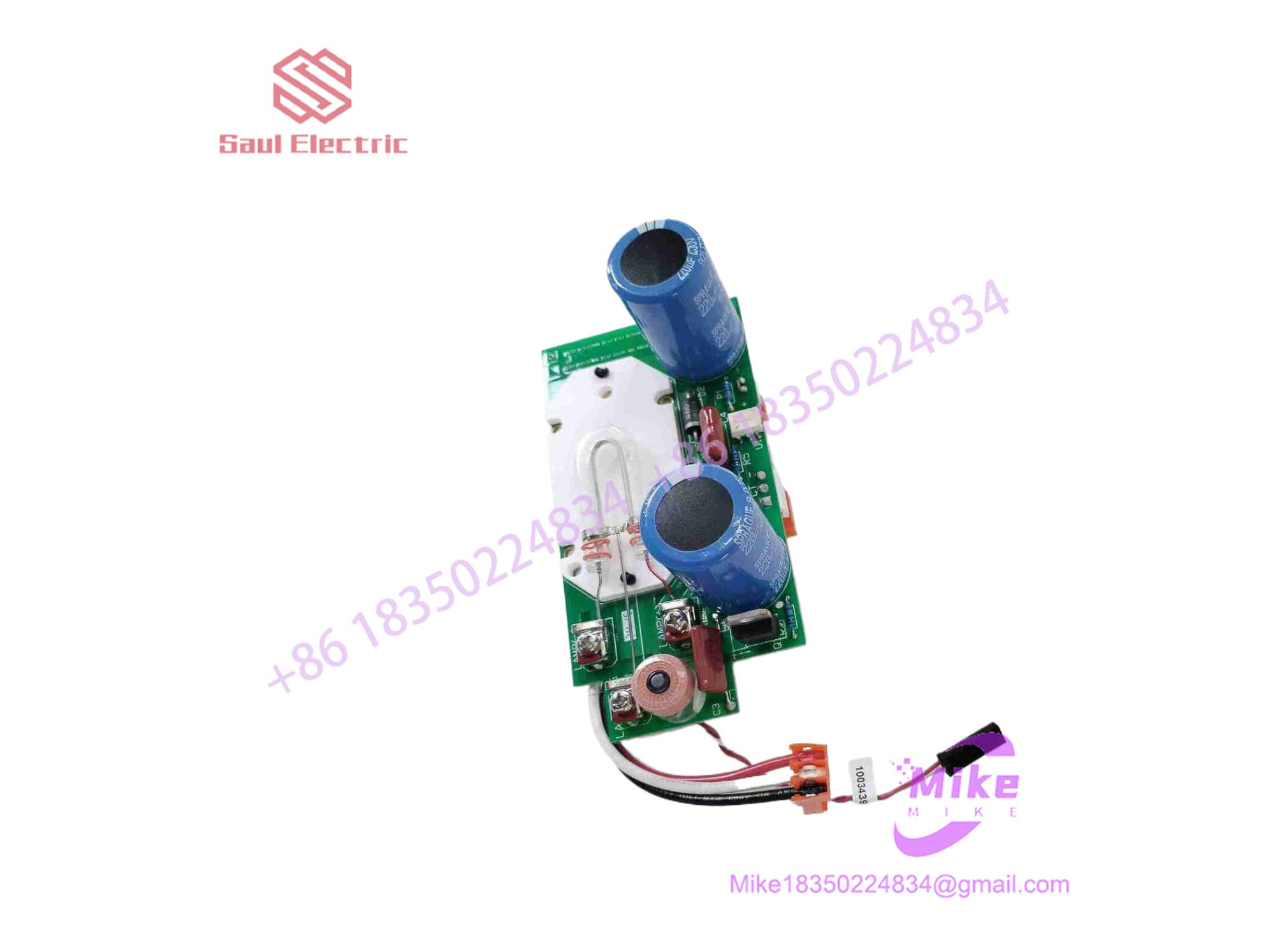
101935-217
Key Technical Specifications
- Module Architecture: Specialized high-voltage pulse generation and lamp triggering circuitry
- Input/Voltage Rating: Standard industrial low-voltage control power with high-voltage discharge output
- Operating Temperature Range: 0^\circC to +55^\circC industrial ambient tolerance
- Mounting Configuration: Modular panel or enclosure rack-mounting structural profile
- Enclosure Type: Rugged industrial housing with secure high-voltage terminal connections
- Weight: ~0.3 to 1.0 kg (estimated standard industrial module scale)
Global Sourcing & Live-Test SOP (Transparency Core)
Deploying replacement trigger electronics on critical optical systems requires an uncompromising bench verification protocol to ensure zero infant mortality and stable pulse output.
- Inbound Verification: Incoming modules are audited against original OEM manufacturing specifications. Terminal blocks, ignition transformers, and circuit traces are inspected under optical magnification for micro-corrosion, carbon tracking, or thermal wear.
- Live Simulation: The unit is mounted onto an appropriate test rig powered by a regulated industrial supply, tied to a compatible test lamp load and oscilloscope monitoring setup.
- Diagnostics: Technicians verify trigger pulse amplitude, spark repetition timing consistency, and operational stability across a 24-hour thermal soak cycle under continuous firing load.
- Final Prep: Once functional logs pass factory baselines, high-voltage terminals are cleaned, and the module is sealed inside an ESD-safe moisture-barrier bag.
The Field Engineer’s Pitfall Guide
❗ Hot-Connecting Lamp Leads Under High Voltage: Attaching or removing flashlamp or trigger cables while the control system is powered can inject severe voltage transients, destroying internal solid-state components and posing severe shock hazards. (I’ve seen technicians blow output stages instantly by servicing cables under power.) Always drop main power and discharge capacitors before handling.
❗ Unshielded Trigger Cabling: Running high-voltage trigger lines parallel to sensitive low-level control or sensor loops without continuous shielded insulation introduces heavy electromagnetic interference, causing erratic system behavior. Always route high-voltage leads separately using designated high-insulation cabling.
❗ Ignoring Trigger Transformer Dielectric Wear: Operating modules in high-humidity or contaminated environments without proper enclosure sealing allows moisture tracking across high-voltage terminals, leading to internal arcing and component failure. Always verify clean enclosure seals prior to energizing.
Intent-Driven FAQ
Will swapping this 101935-217 trigger module require recalibrating system timing?
Depending on whether the unit interfaces with master controller synchronization clocks, pulse delay parameters should be verified against original operating specifications upon installation.
Can this module be replaced while the lighting or optical system is active?
Because interrupting or servicing high-voltage trigger circuits while energized poses severe electrical shock risks and can damage downstream components, the system must always be de-energized and locked out before service.
What causes the lamp trigger to exhibit intermittent firing failures?
Intermittent triggering typically points to degraded lamp bulb electrodes, loose high-voltage terminal connections, or an aging internal trigger transformer. Inspecting lamp wear hours and checking terminal torque usually isolates the root cause.
Is the 101935-217 compatible with non-standard commercial lamps?
No. This specific part is engineered explicitly to match the electrical ignition parameters and voltage thresholds of designated industrial lamp architectures.
What kind of warranty accompanies surplus or refurbished units?
Reputable industrial suppliers typically back tested surplus or refurbished automation and lighting components with a standard 1-to-2 year replacement warranty, supported by an independent bench test report confirming pulse output health.





