


Description
Kokusai KOMS-A2 CXP-544A | Board Assembly Core Category
Dynamic Product Introduction
Sourcing rare replacement boards for legacy semiconductor or heavy manufacturing equipment often breaks down when obsolete controllers refuse to sync with original backplane racks. Honestly, matching the Kokusai KOMS-A2 CXP-544A assembly avoids prolonged system downtime by dropping directly into established multi-slot chassis frameworks. This controller board processes low-level machine logic reliably without requiring a complete hardware rewrite (—though verifying your exact firmware revision and memory configuration is non-negotiable). Compared to modern commercial alternatives, the Kokusai KOMS-A2 CXP-544A maintains tight timing compliance with vintage system architectures, preserving critical operational parameters.
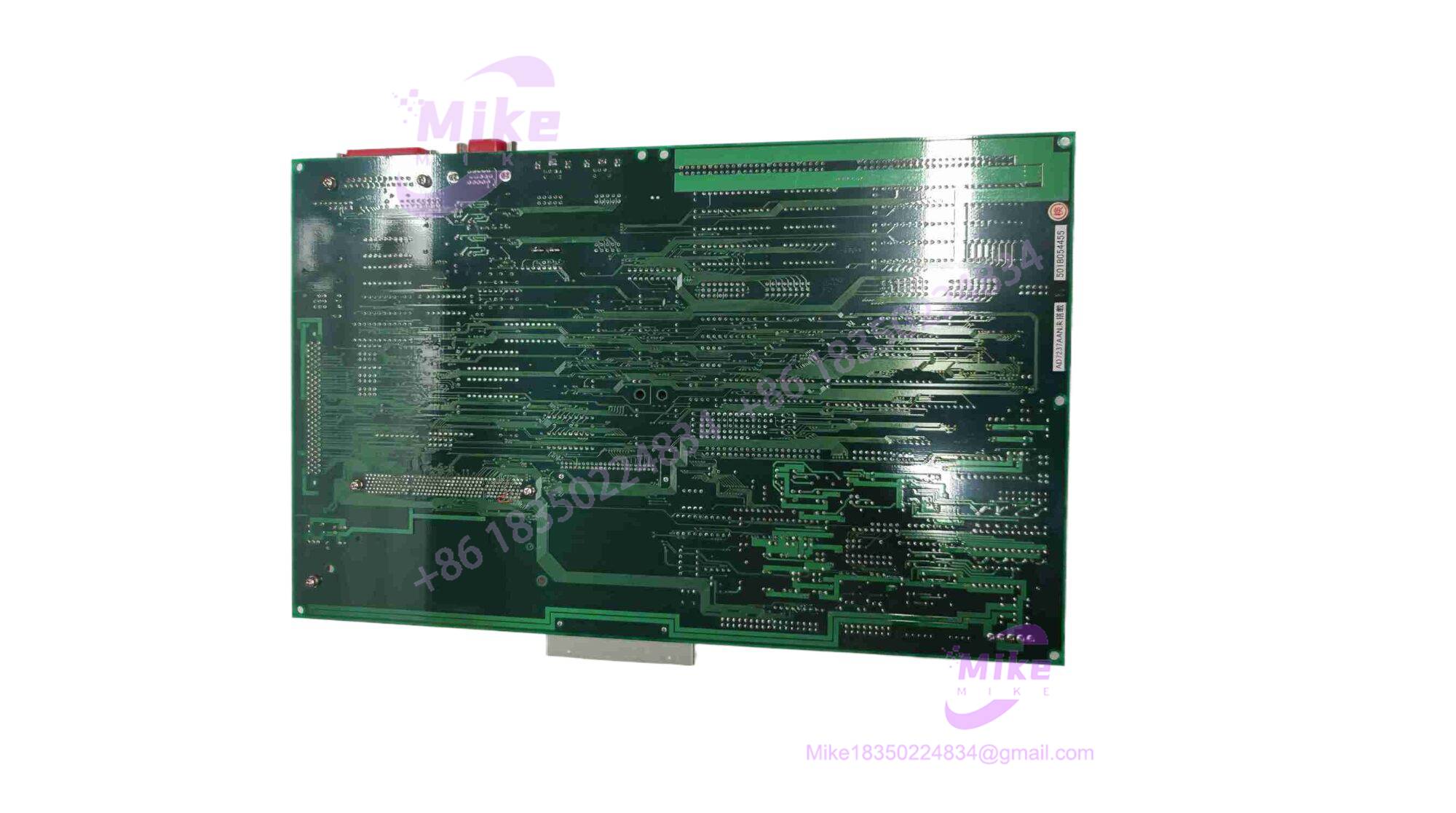
KOMS-A2 CXP-544A
Key Technical Specifications
| Specification | Parameter Value |
| Manufacturer | Kokusai Electric / Kokusai Automation |
| Assembly Designation | KOMS-A2 / CXP-544A |
| Supported OS Environment | MS-DOS for Embedded Systems / Real-Time Kernel |
| System Memory | 512MB standard configuration variants |
| Bus Interface | Proprietary multi-pin industrial backplane slot |
| Input Power Rails | Backplane-regulated DC voltages |
| Operating Temperature | 0°C to 50°C industrial threshold |
| Diagnostic Indicators | Onboard status and error LEDs |
| Enclosure Type | Open-type plug-in circuit board assembly |
| Mounting Format | Card-rack slide module |
Global Sourcing & Live-Test SOP (Transparency Core)
Procuring vintage or secondary-market boards like the Kokusai KOMS-A2 CXP-544A requires absolute rigor to prevent component degradation from compromising sensitive production runs. For every inbound unit, our intake team audits historical provenance paperwork, logs serial numbers against global anti-counterfeit registries, and performs high-magnification optical scans on every edge connector and solder joint.
Once cleared, the board is seated onto a calibrated test rack mimicking the native Kokusai system environment. Technicians verify memory integrity, run boot sequence validation tests under an MS-DOS environment, and subject the assembly to a 24-hour thermal soak loop. The unit is then sealed in heavy-duty anti-static shielding bags and assigned an individual verification audit trail.
The Field Engineer’s Pitfall Guide
❗ Memory and BIOS Mismatches: Swapping a Kokusai KOMS-A2 CXP-544A board without verifying the onboard memory configuration can prevent the embedded kernel from initializing. I’ve seen plant technicians lose an entire day troubleshooting boot hangs because a replacement board ran an incompatible BIOS revision.
❗ Backplane Pin Contamination: Forgetting to clean oxidation or micro-debris off the gold-fingered edge connectors before sliding the board into the rack will result in intermittent bus communication faults. Always inspect the backplane slots with a lighted scope prior to insertion.
❗ Static Discharge Vulnerability: Handling these older unshielded circuit cards without proper grounding straps can instantly compromise sensitive onboard logic chips. Always utilize a certified ESD-safe workstation during handling.
Intent-Driven FAQ
- Will I lose system parameters if I replace the Kokusai ?
Configuration data and boot files are tied to storage media on the assembly or system stack; always extract an image or backup of your system configuration before extracting the old board.
- Is this board completely plug-and-play with older Kokusai systems?
Physically yes, provided the hardware revision matches your rack architecture, but software parameter mapping must be verified through your system control software.
- What kind of warranty is provided with surplus units?
Verified replacement modules typically include a standard 1-year functional warranty backed by our pre-shipment thermal and boot test logs.
- Can I upgrade the memory on the assembly?
Memory limits are strictly bound by the original embedded design architecture; modifications require exact matching of compatible memory chips to avoid system lockups.
- How can I verify that a surplus board has been fully tested?
Check for serialized test verification stickers, clean unmarred gold fingers, and accompanying bench test result documentation in the packaging.





