

Description
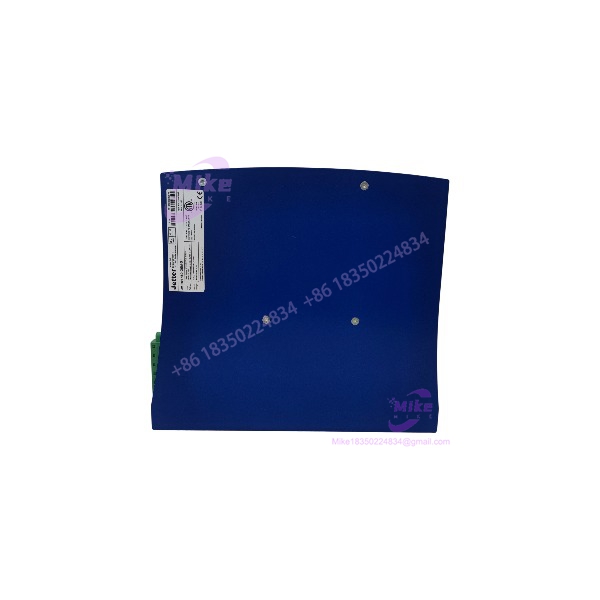
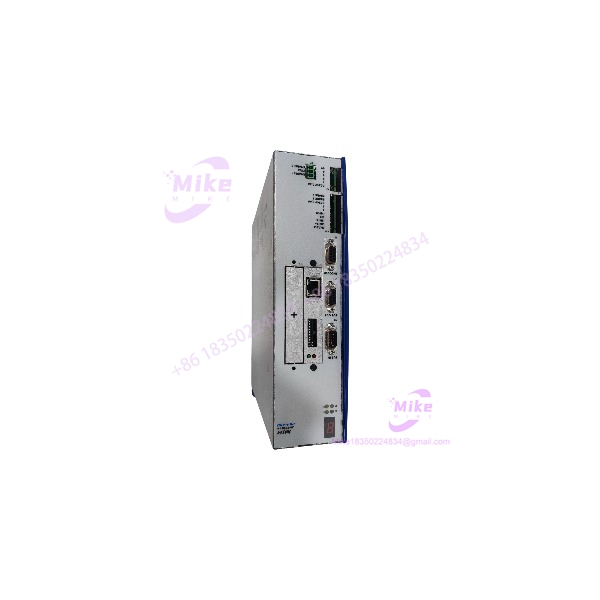
Jetter JM-204-480-OEM-S1 | JetMove Servo Drive
Product Introduction
A servo drive replacement can become a commissioning problem when the replacement matches the power class but not the installed interface or safety configuration. With the Jetter JetMove 204-480 family, those suffixes are functional options—not decorative part-number details.
The Jetter JM-204-480-OEM-S1 is a JetMove 204-480 digital servo amplifier. The OEM designation identifies the Ethernet interface option, while S1 identifies the Safe Torque Off option. The JetMove 204-480 manual lists these options separately and confirms their combination in the OEM-S1 configuration.
This makes the JM-204-480-OEM-S1 a configuration-specific replacement candidate for legacy motion systems. Before procurement, match the complete model number, motor and feedback arrangement, drive parameters, network configuration, and safety circuit. A similar JetMove drive without the same options should not be treated as an automatic substitute.
JM-204-480-OEM-S1
Key Technical Specifications
- Manufacturer: Jetter AG / Bucher Automation
- Model: JM-204-480-OEM-S1
- Series: JetMove 204-480
- Device Type: Digital servo amplifier
- Power Class: 2 kW, as listed for the JM-204-480 family
- Supply Class: 3-phase 400/480 VAC family designation; verify exact nameplate limits
- Ethernet Interface: Integrated option, identified by the OEM suffix
- Ethernet Connector: RJ45, designated X71 in the JetMove 204-480 documentation
- Ethernet Capability: 10/100 Mbps twisted-pair interface
- Safety Option: Safe Torque Off (STO), identified by S1
- Motion-Control Role: Servo motor power and control
- Parameterization: Requires configuration appropriate to the connected motor and control system
- Documentation: JetMove 204-480 operating manual
The OEM manual identifies the Ethernet option and S1 safety option in its ordering matrix. Product references list the 2 kW, 400/480 VAC family rating, but buyers should use the exact unit nameplate and applicable manual for installation-level electrical limits.
Global Sourcing & Live-Test SOP
For a used or surplus JM-204-480-OEM-S1, visual inspection alone is not enough. The drive must be matched to the intended motor, feedback system, control interface, and safety design.
1. Inbound Verification
- Photograph the full nameplate and confirm JM-204-480-.
- Verify the OEM and S1 suffixes are present.
- Record serial number and hardware revision, where available.
- Inspect power terminals, motor connections, feedback connectors, Ethernet port, and safety terminals.
- Check for corrosion, cracked housings, damaged terminal blocks, contamination, or evidence of repair.
- Inspect cooling openings and accessible components for signs of overheating.
- Photograph connector locations and any visible option markings.
- Confirm whether the unit is supplied with accessories; do not assume cables, connectors, or manuals are included.
2. Controlled Power-Up
- Use a qualified servo-drive test setup and follow the applicable Jetter/Bucher Automation manual.
- Verify supply voltage, phase configuration, grounding, and protective devices before energizing.
- Confirm the drive’s exact input ratings from its nameplate.
- Observe startup indicators and record any fault codes.
- Do not connect a production motor or machine until the drive’s condition and configuration have been assessed.
- Avoid changing parameters or safety settings without recording the original values.
3. Ethernet and Control Validation
- Confirm the Ethernet option is present and inspect the RJ45 X71 interface.
- Verify the intended controller and communication configuration.
- Check network link and controller recognition in a controlled test environment.
- Confirm that the drive’s parameters and application setup are compatible with the intended machine.
- Do not assume that physical Ethernet connectivity proves motion-control compatibility.
4. Motor and STO Validation
- Verify the motor model, feedback device, and drive configuration against the applicable documentation.
- Test only with compatible equipment and within documented operating limits.
- Validate STO functionality using the approved safety test procedure.
- Confirm that STO prevents torque-producing operation as intended in the configured system.
- Record test conditions and results; do not claim safety validation based solely on a power-on test.
5. Extended Functional Run
Where a suitable test bench is available, perform an extended run with a compatible motor and controlled load.
Monitor:
- Startup consistency
- Drive fault history
- Motor response
- Feedback stability
- Ethernet communication
- Cooling and temperature behavior
- STO function, under an approved test procedure
Record the test duration, motor used, parameter/configuration details, and observed faults. Do not describe the unit as fully tested unless these checks were actually completed.
6. Final Preparation
- Record the complete model, serial number, and hardware revision.
- Preserve available parameter/configuration information.
- Document test scope and results.
- Photograph the unit and connectors before shipment.
- Protect terminals and electronic interfaces against impact and electrostatic discharge.
- Use ESD-safe packaging and secure cushioning.
- Clearly state whether the drive is tested, untested, or sold for parts/repair.
Field Engineer’s Pitfall Guide
❗ OEM and S1 are functional options—not interchangeable suffixes
The OEM option identifies the Ethernet interface, while S1 identifies Safe Torque Off. A JM-204-480 without these options may not satisfy the same control or safety architecture. Match the full JM-204-480- designation to the installed drive and machine documentation.
❗ STO is not a substitute for complete machine safety validation
The S1 option provides a safety-related drive function, but it does not independently establish that the machine’s safety circuit meets its required performance level or safety category. Verify wiring, control logic, and validation requirements using the machine’s safety documentation and the applicable drive manual.
❗ Do not assume parameter or motor compatibility
A physically matching servo amplifier may still require the correct motor data, feedback configuration, and application parameters. Preserve the original configuration where possible and verify compatibility before enabling motion.
Intent-Driven FAQ
What is the Jetter JM-204-480-?
It is a Jetter JetMove 204-480 digital servo amplifier with the OEM Ethernet option and S1 Safe Torque Off option.
What does the OEM suffix mean?
For the JetMove 204-480 family, OEM identifies the integrated Ethernet interface option. The manual identifies the Ethernet connector as X71.
What does S1 mean on this servo drive?
S1 identifies the Safe Torque Off option in the JetMove 204-480 ordering matrix. STO must be wired and validated in accordance with the applicable safety design and documentation.
What is the power rating of the JM-204-480-?
The JM-204-480 family is listed as a 2 kW digital servo amplifier. Confirm the exact electrical ratings and operating limits using the drive’s nameplate and manual before installation.
Does the JM-204-480- support Ethernet?
Yes. The OEM option denotes the integrated Ethernet interface. Actual controller compatibility depends on the network configuration and the system’s motion-control setup.
Can I replace a JM-204-480 with the JM-204-480-?
Possibly, but do not assume direct interchangeability. The includes Ethernet and STO options that may affect system configuration, wiring, and commissioning. Confirm the target machine’s required options and parameter setup before replacement.
Is the JM-204-480- hot-swappable?
Do not assume it is. Treat servo-drive replacement as a controlled, power-off maintenance operation. Follow the drive manual and site procedures for isolation, DC-bus discharge, and verification of a safe state before handling terminals or connectors.
What should I verify before buying a used JM-204-480-?
Confirm the complete model number, OEM and S1 options, nameplate ratings, connector condition, hardware revision, and seller’s test status. For operational use, also verify motor/feedback compatibility, parameter recovery, Ethernet configuration, and STO requirements.
Bottom Line for Buyers
The Jetter JM-204-480- is a JetMove 204-480 digital servo amplifier configured with Ethernet and Safe Torque Off options. It is a potential replacement for systems requiring this specific drive configuration—not a universal substitute for every JM-204-480 variant.
For procurement, match the complete suffix, request clear nameplate and connector photographs, and confirm the motor, feedback, parameter, and safety requirements before commissioning. Ask for documented functional test results rather than relying on a power-on claim.





